
衰老的病理和炎症后果
Pathological and Inflammatory Consequences of Aging.
作者信息
García-Domínguez Mario
机构信息
Program of Immunology and Immunotherapy, CIMA-Universidad de Navarra, 31008 Pamplona, Spain.
Department of Immunology and Immunotherapy, Clínica Universidad de Navarra, 31008 Pamplona, Spain.
出版信息
Biomolecules. 2025 Mar 12;15(3):404. doi: 10.3390/biom15030404.
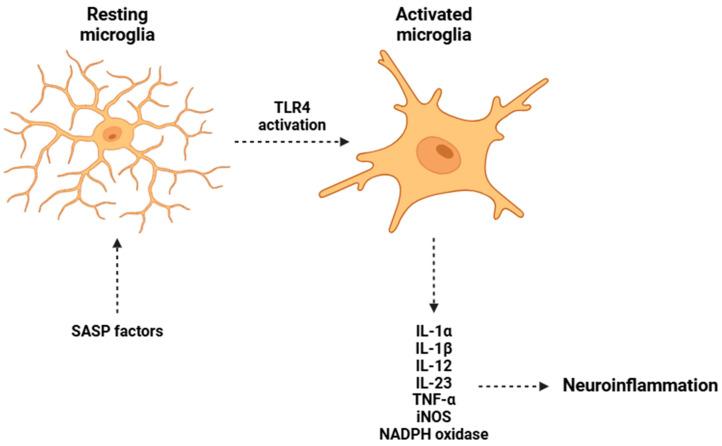
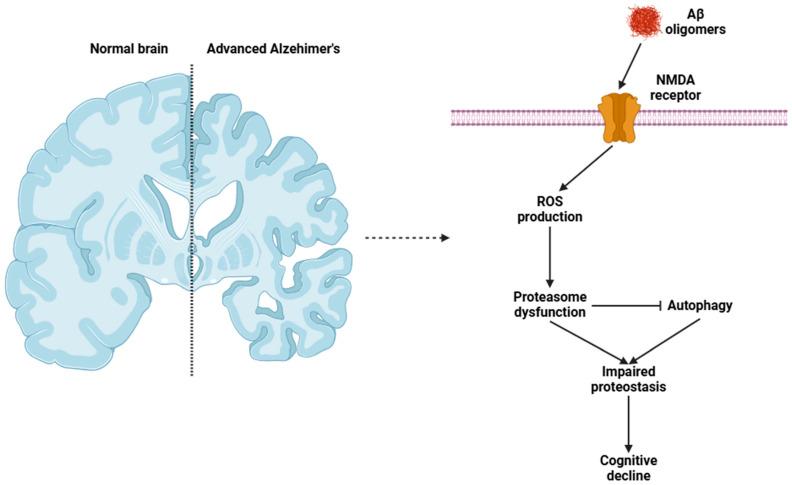
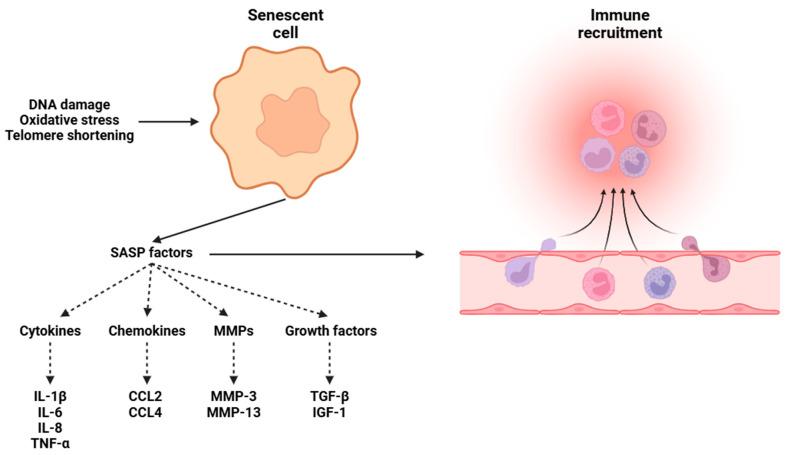
Aging is a complex, progressive, and irreversible biological process that entails numerous structural and functional changes in the organism. These changes affect all bodily systems, reducing their ability to respond and adapt to the environment. Chronic inflammation is one of the key factors driving the development of age-related diseases, ultimately causing a substantial decline in the functional abilities of older individuals. This persistent inflammatory state (commonly known as "inflammaging") is characterized by elevated levels of pro-inflammatory cytokines, an increase in oxidative stress, and a perturbation of immune homeostasis. Several factors, including cellular senescence, contribute to this inflammatory milieu, thereby amplifying conditions such as cardiovascular disease, neurodegeneration, and metabolic disorders. Exploring the mechanisms of chronic inflammation in aging is essential for developing targeted interventions aimed at promoting healthy aging. This review explains the strong connection between aging and chronic inflammation, highlighting potential therapeutic approaches like pharmacological treatments, dietary strategies, and lifestyle changes.
衰老 是一个复杂、渐进且不可逆的生物学过程,它会在生物体中引发众多结构和功能上的变化。这些变化会影响身体的所有系统,降低它们对环境做出反应和适应的能力。慢性炎症是推动与年龄相关疾病发展的关键因素之一,最终导致老年人的功能能力大幅下降。这种持续的炎症状态(通常称为“炎症衰老”)的特征是促炎细胞因子水平升高、氧化应激增加以及免疫稳态受到干扰。包括细胞衰老在内的几个因素导致了这种炎症环境,从而加剧了心血管疾病、神经退行性变和代谢紊乱等病症。探索衰老过程中慢性炎症的机制对于开发旨在促进健康衰老的靶向干预措施至关重要。本综述解释了衰老与慢性炎症之间的紧密联系,重点介绍了药物治疗、饮食策略和生活方式改变等潜在治疗方法。
 Zotero 插件