
时间营养-当我们吃的时间是解决肥胖的关键。
Chrononutrition-When We Eat Is of the Essence in Tackling Obesity.
机构信息
Cardiff School of Sport and Health Sciences, Cardiff Metropolitan University, Cardiff CF5 2YB, UK.
出版信息
Nutrients. 2022 Nov 29;14(23):5080. doi: 10.3390/nu14235080.
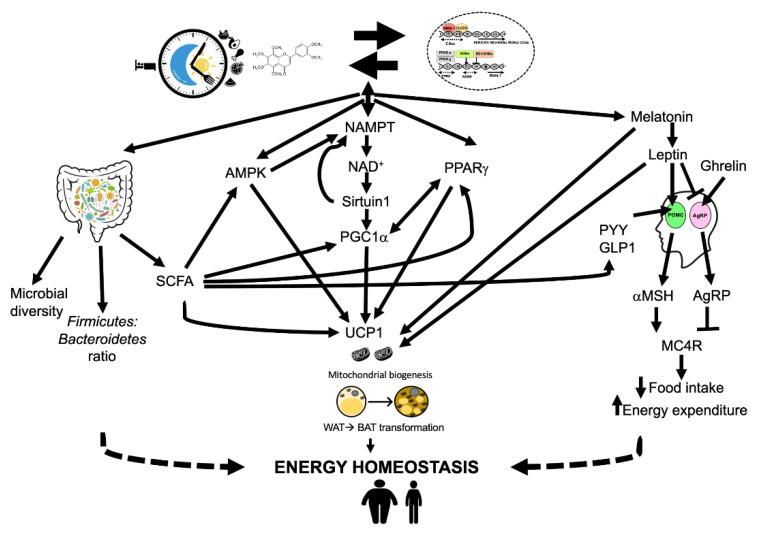
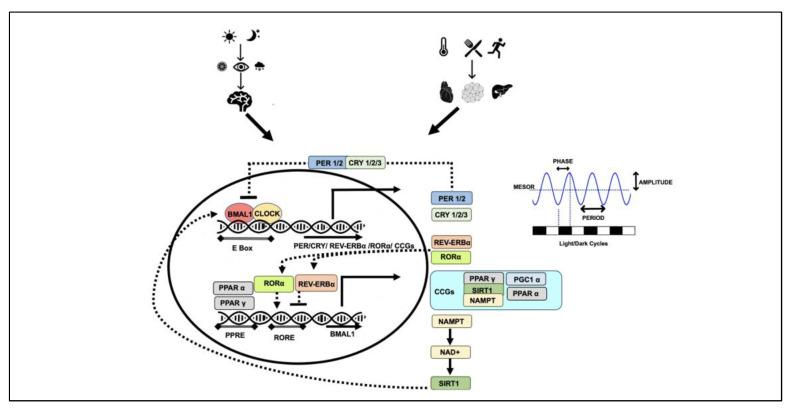
Obesity is a chronic and relapsing public health problem with an extensive list of associated comorbidities. The worldwide prevalence of obesity has nearly tripled over the last five decades and continues to pose a serious threat to wider society and the wellbeing of future generations. The pathogenesis of obesity is complex but diet plays a key role in the onset and progression of the disease. The human diet has changed drastically across the globe, with an estimate that approximately 72% of the calories consumed today come from foods that were not part of our ancestral diets and are not compatible with our metabolism. Additionally, multiple nutrient-independent factors, e.g., cost, accessibility, behaviours, culture, education, work commitments, knowledge and societal set-up, influence our food choices and eating patterns. Much research has been focused on 'what to eat' or 'how much to eat' to reduce the obesity burden, but increasingly evidence indicates that 'when to eat' is fundamental to human metabolism. Aligning feeding patterns to the 24-h circadian clock that regulates a wide range of physiological and behavioural processes has multiple health-promoting effects with anti-obesity being a major part. This article explores the current understanding of the interactions between the body clocks, bioactive dietary components and the less appreciated role of meal timings in energy homeostasis and obesity.
肥胖是一种慢性且易复发的公共健康问题,其伴随的并发症众多。在过去的五十年中,全球肥胖的患病率几乎增加了两倍,而且仍然对更广泛的社会和未来几代人的健康构成严重威胁。肥胖的发病机制很复杂,但饮食在疾病的发生和发展中起着关键作用。全球范围内人类的饮食发生了巨大变化,据估计,现在我们摄入的卡路里中约有 72%来自于我们祖先饮食中没有的食物,这些食物与我们的新陈代谢并不兼容。此外,许多非营养相关因素,例如成本、可及性、行为、文化、教育、工作承诺、知识和社会结构,都会影响我们的食物选择和饮食习惯。许多研究都集中在“吃什么”或“吃多少”来减轻肥胖负担,但越来越多的证据表明,“什么时候吃”对于人类的新陈代谢至关重要。将进食模式与调节广泛的生理和行为过程的 24 小时昼夜节律对齐,具有多种促进健康的作用,其中抑制肥胖是主要作用之一。本文探讨了目前对生物钟、生物活性膳食成分以及用餐时间在能量平衡和肥胖中作用的理解。


 Zotero 插件