
评估新冠疫情期间拉丁美洲和加勒比地区海滩减少塑料污染的威胁、法规及策略。
Assessing threats, regulations, and strategies to abate plastic pollution in LAC beaches during COVID-19 pandemic.
作者信息
Alfonso María B, Arias Andrés H, Menéndez María C, Ronda Ana C, Harte Agustín, Piccolo María C, Marcovecchio Jorge E
机构信息
Instituto Argentino de Oceanografía (IADO), Universidad Nacional del Sur (UNS)-CONICET, Florida 8000, Complejo CCT CONICET Bahía Blanca, Edificio E1, B8000BFW Bahía Blanca, Argentina.
Research Institute for Applied Mechanics, Kyushu University, 6-1 Kasuga-Koen, Kasuga, 816-8580, Japan.
出版信息
Ocean Coast Manag. 2021 Jul 1;208:105613. doi: 10.1016/j.ocecoaman.2021.105613. Epub 2021 Mar 26.
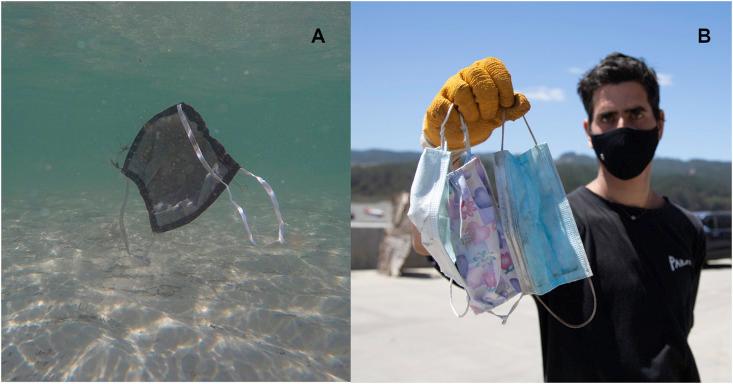
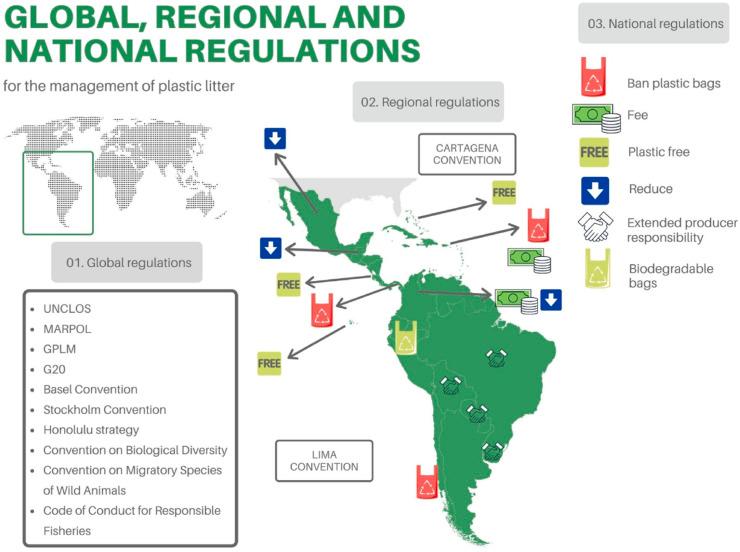
Plastic use and production have dramatically increased globally over the past 65 years with the improvement of life quality by the daily use of plastic products. Still, around 50% of the plastic produced is disposable products that generate substantial waste. Several reports pointed out the adverse effects of plastic litter in coastal environments in recent years, emphasizing single-use plastics (SUP). In this manner, Latin America and the Caribbean (LAC) coastal environments are highly vulnerable due to wastewater treatment facilities scarcity and poor plastic waste management strategies. Since COVID-19 pandemic, the single-use plastic waste/person rate is expected to rise due to the use of personal protective equipment and SUP as health care measures. Based on literature research and the review of plastic waste regulations, this paper will assess the main COVID-19 plastic pollution threats and LAC beaches' regulations to suggest possible measures to abate this problem. The main findings suggest that unifying the ongoing fragmented and overlapped policies is key to abate plastic pollution, including plastic industry regulations and circular economies. In addition, increasing public risk perception about plastic pollution is critical to reducing plastic waste generation. Research advances in the adverse effects of plastic debris could improve the public's perception of plastic pollution risk, pushing forward global marine plastic governance.
在过去65年里,随着塑料制品的日常使用提升了生活质量,全球塑料的使用和产量急剧增加。然而,生产的塑料中约有50%是一次性产品,会产生大量废弃物。近年来,几份报告指出了塑料垃圾对沿海环境的不利影响,强调了一次性塑料(SUP)的问题。照此情形,拉丁美洲和加勒比地区(LAC)的沿海环境因污水处理设施匮乏以及塑料垃圾管理策略不佳而极易受到影响。自新冠疫情以来,由于使用个人防护装备以及将一次性塑料用作医疗保健措施,预计人均一次性塑料垃圾产生率将会上升。基于文献研究以及对塑料垃圾法规的审查,本文将评估新冠疫情带来的主要塑料污染威胁以及拉丁美洲和加勒比地区海滩的相关法规,以提出减轻这一问题的可行措施。主要研究结果表明,统一当前分散且重叠的政策是减轻塑料污染的关键,包括塑料行业法规和循环经济。此外,提高公众对塑料污染的风险认知对于减少塑料垃圾产生至关重要。塑料碎片不利影响方面的研究进展能够提升公众对塑料污染风险的认知,推动全球海洋塑料治理。
 Zotero 插件