
衰老、体育锻炼、端粒与肌肉减少症:一项叙述性综述
Aging, Physical Exercise, Telomeres, and Sarcopenia: A Narrative Review.
作者信息
Hernández-Álvarez David, Rosado-Pérez Juana, Gavia-García Graciela, Arista-Ugalde Taide Laurita, Aguiñiga-Sánchez Itzen, Santiago-Osorio Edelmiro, Mendoza-Núñez Víctor Manuel
机构信息
Research Unit on Gerontology, FES Zaragoza, National Autonomous University of Mexico, Mexico City 09230, Mexico.
Hematopoiesis and Leukemia Laboratory, Research Unit on Cell Differentiation and Cancer, FES Zaragoza, National Autonomous University of Mexico, Mexico City 09230, Mexico.
出版信息
Biomedicines. 2023 Feb 17;11(2):598. doi: 10.3390/biomedicines11020598.
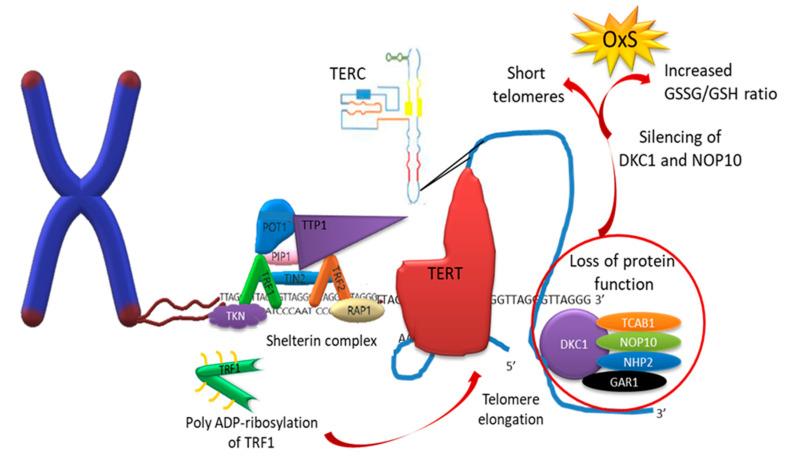
Human aging is a gradual and adaptive process characterized by a decrease in the homeostatic response, leading to biochemical and molecular changes that are driven by hallmarks of aging, such as oxidative stress (OxS), chronic inflammation, and telomere shortening. One of the diseases associated with the hallmarks of aging, which has a great impact on functionality and quality of life, is sarcopenia. However, the relationship between telomere length, sarcopenia, and age-related mortality has not been extensively studied. Moderate physical exercise has been shown to have a positive effect on sarcopenia, decreasing OxS and inflammation, and inducing protective effects on telomeric DNA. This results in decreased DNA strand breaks, reduced OxS and IA, and activation of repair pathways. Higher levels of physical activity are associated with an apparent increase in telomere length. This review aims to present the current state of the art of knowledge on the effect of physical exercise on telomeric maintenance and activation of repair mechanisms in sarcopenia.
人类衰老过程是一个渐进且适应性的过程,其特征是体内稳态反应减弱,进而引发由衰老特征驱动的生化和分子变化,如氧化应激(OxS)、慢性炎症和端粒缩短。与衰老特征相关的疾病之一是肌肉减少症,它对功能和生活质量有重大影响。然而,端粒长度、肌肉减少症和年龄相关死亡率之间的关系尚未得到广泛研究。适度的体育锻炼已被证明对肌肉减少症有积极作用,可降低氧化应激和炎症,并对端粒DNA产生保护作用。这会减少DNA链断裂,降低氧化应激和炎症水平,并激活修复途径。更高水平的体育活动与端粒长度的明显增加有关。本综述旨在介绍体育锻炼对肌肉减少症中端粒维持和修复机制激活影响的当前知识现状。


 Zotero 插件