
CRISPR疗法的免疫原性——临床转化的关键考量因素
Immunogenicity of CRISPR therapeutics-Critical considerations for clinical translation.
作者信息
Ewaisha Radwa, Anderson Karen S
机构信息
Department of Microbiology and Immunology, Faculty of Pharmacy, Alexandria University, Alexandria, Egypt.
Department of Microbiology and Immunology, School of Pharmacy, Newgiza University, Newgiza, Egypt.
出版信息
Front Bioeng Biotechnol. 2023 Feb 16;11:1138596. doi: 10.3389/fbioe.2023.1138596. eCollection 2023.
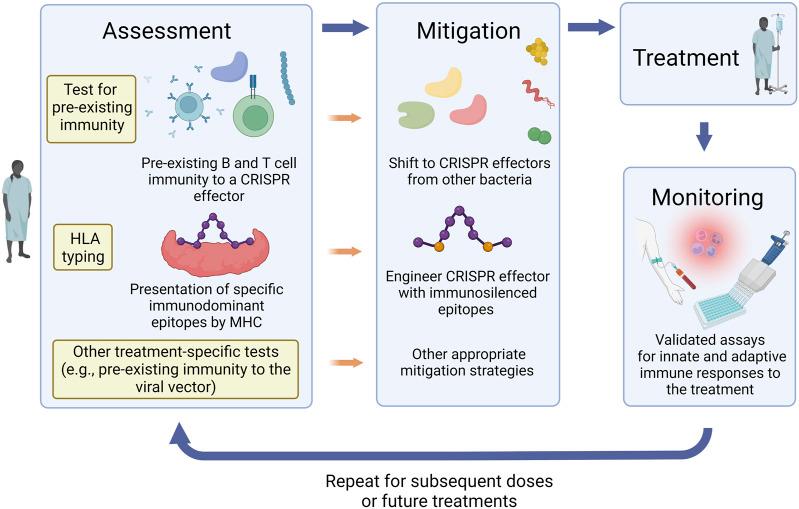
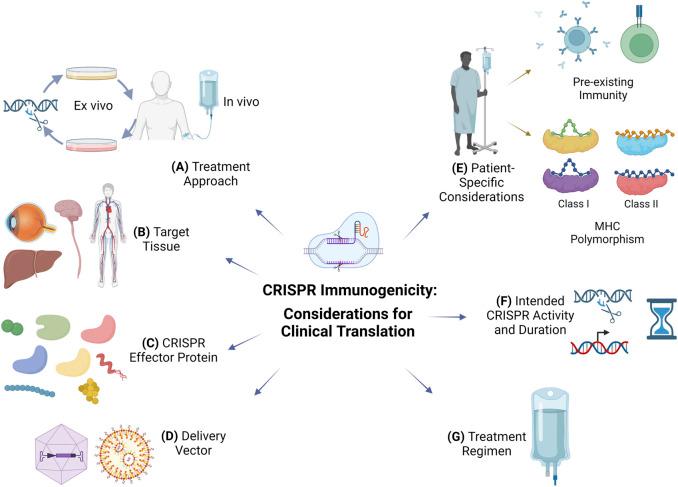
CRISPR offers new hope for many patients and promises to transform the way we think of future therapies. Ensuring safety of CRISPR therapeutics is a top priority for clinical translation and specific recommendations have been recently released by the FDA. Rapid progress in the preclinical and clinical development of CRISPR therapeutics leverages years of experience with gene therapy successes and failures. Adverse events due to immunogenicity have been a major setback that has impacted the field of gene therapy. As several CRISPR clinical trials make progress, the challenge of immunogenicity remains a significant roadblock to the clinical availability and utility of CRISPR therapeutics. In this review, we examine what is currently known about the immunogenicity of CRISPR therapeutics and discuss several considerations to mitigate immunogenicity for the design of safe and clinically translatable CRISPR therapeutics.
CRISPR为许多患者带来了新希望,并有望改变我们对未来疗法的看法。确保CRISPR疗法的安全性是临床转化的首要任务,美国食品药品监督管理局(FDA)最近已发布了具体建议。CRISPR疗法在临床前和临床开发方面的快速进展,得益于多年来基因治疗成败的经验。免疫原性导致的不良事件一直是影响基因治疗领域的重大挫折。随着多项CRISPR临床试验取得进展,免疫原性挑战仍然是CRISPR疗法临床应用和效用的重大障碍。在本综述中,我们研究了目前对CRISPR疗法免疫原性的了解,并讨论了在设计安全且可临床转化的CRISPR疗法时减轻免疫原性的几点考虑因素。
 Zotero 插件