
针对缺氧肿瘤的光动力疗法创新策略。
Innovative strategies for photodynamic therapy against hypoxic tumor.
作者信息
Li Xiaotong, Chen Lei, Huang Miaoting, Zeng Shaoting, Zheng Jiayi, Peng Shuyi, Wang Yuqing, Cheng Hong, Li Shiying
机构信息
Department of Anesthesiology, the Second Clinical School of Guangzhou Medical University, Guangzhou 510182, China.
Department of Anesthesiology, the First Affiliated Hospital of Guangzhou Medical University, Guangzhou 510120, China.
出版信息
Asian J Pharm Sci. 2023 Jan;18(1):100775. doi: 10.1016/j.ajps.2023.100775. Epub 2023 Jan 17.
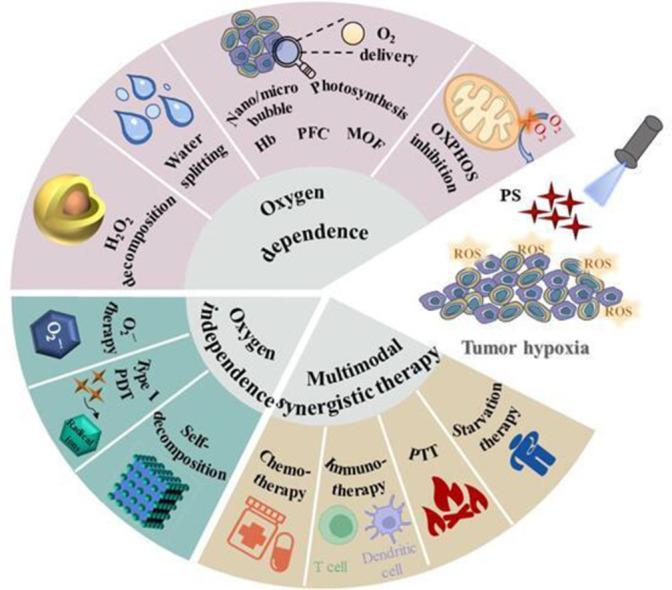
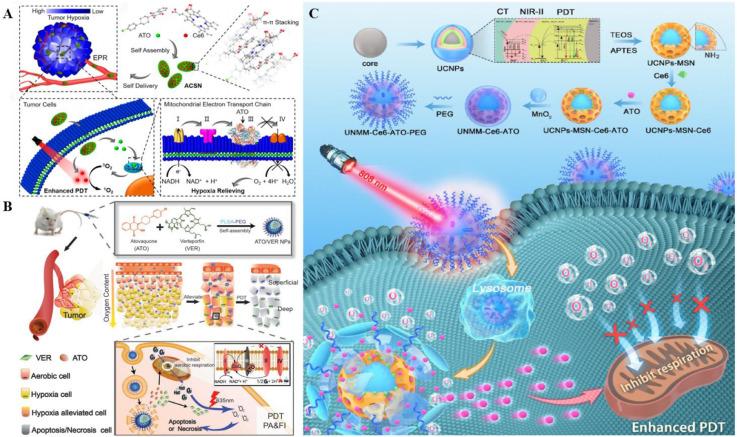
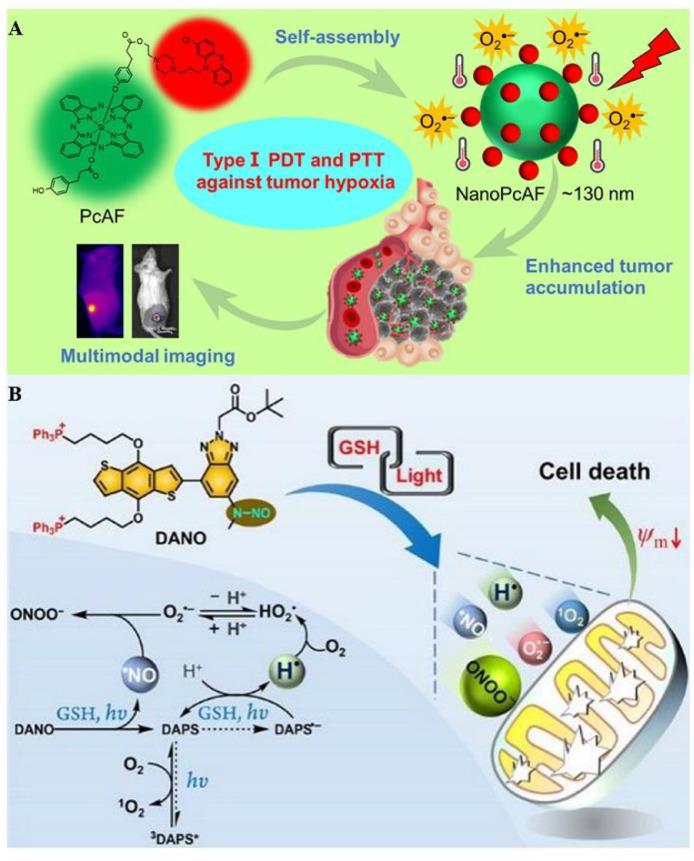
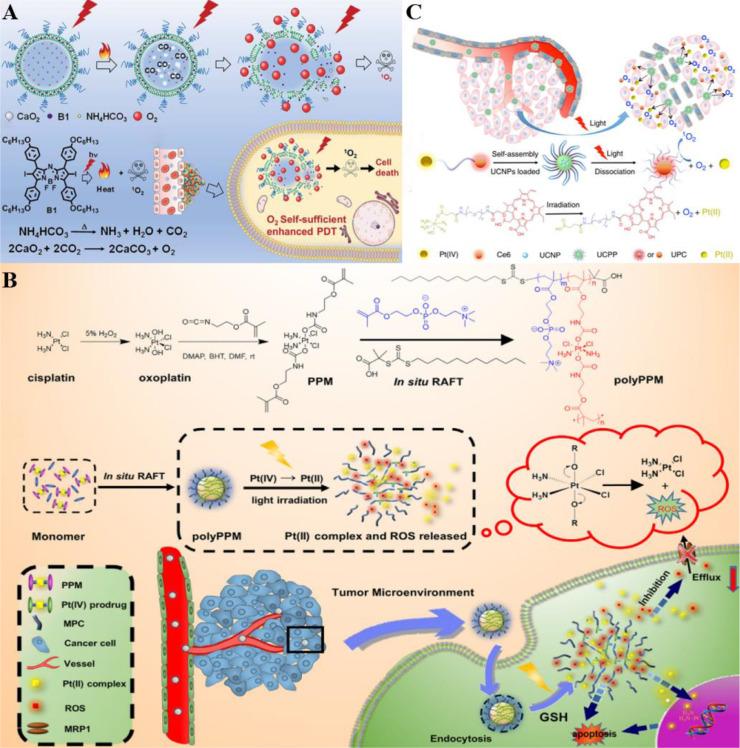
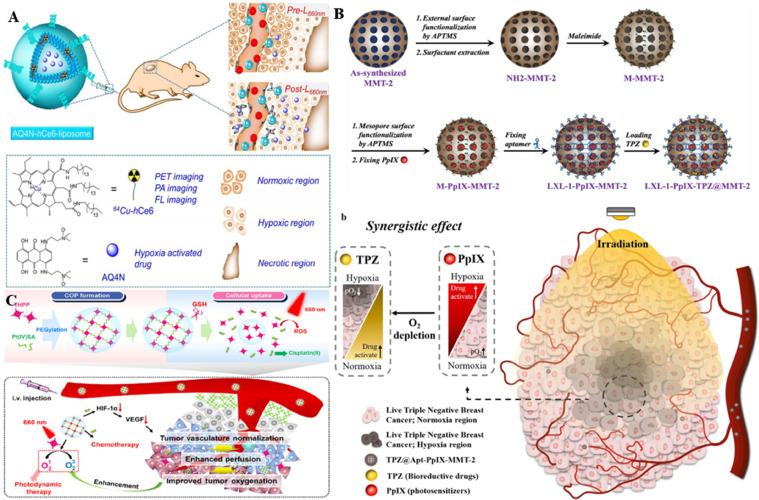
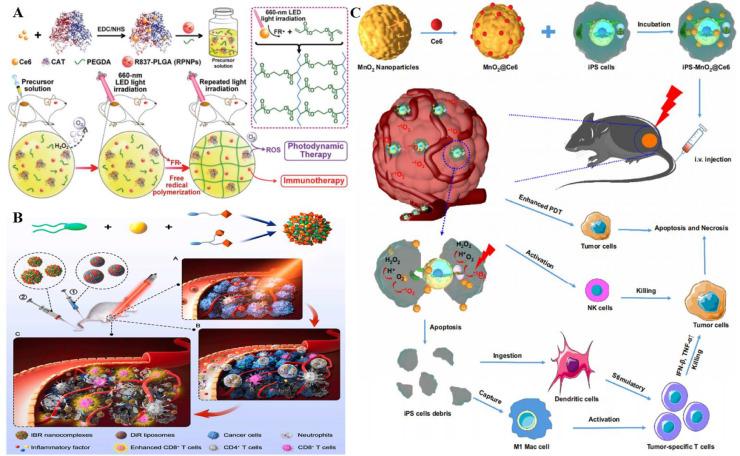
Photodynamic therapy (PDT) is applied as a robust therapeutic option for tumor, which exhibits some advantages of unique selectivity and irreversible damage to tumor cells. Among which, photosensitizer (PS), appropriate laser irradiation and oxygen (O) are three essential components for PDT, but the hypoxic tumor microenvironment (TME) restricts the O supply in tumor tissues. Even worse, tumor metastasis and drug resistance frequently happen under hypoxic condition, which further deteriorate the antitumor effect of PDT. To enhance the PDT efficiency, critical attention has been received by relieving tumor hypoxia, and innovative strategies on this topic continue to emerge. Traditionally, the O supplement strategy is considered as a direct and effective strategy to relieve TME, whereas it is confronted with great challenges for continuous O supply. Recently, O-independent PDT provides a brand new strategy to enhance the antitumor efficiency, which can avoid the influence of TME. In addition, PDT can synergize with other antitumor strategies, such as chemotherapy, immunotherapy, photothermal therapy (PTT) and starvation therapy, to remedy the inadequate PDT effect under hypoxia conditions. In this paper, we summarized the latest progresses in the development of innovative strategies to improve PDT efficacy against hypoxic tumor, which were classified into O-dependent PDT, O-independent PDT and synergistic therapy. Furthermore, the advantages and deficiencies of various strategies were also discussed to envisage the prospects and challenges in future study.
光动力疗法(PDT)作为一种强大的肿瘤治疗选择被应用,它对肿瘤细胞具有独特选择性和不可逆损伤等优势。其中,光敏剂(PS)、适当的激光照射和氧气(O₂)是PDT的三个关键要素,但缺氧的肿瘤微环境(TME)会限制肿瘤组织中的氧气供应。更糟糕的是,在缺氧条件下肿瘤转移和耐药性频繁发生,这进一步削弱了PDT的抗肿瘤效果。为了提高PDT效率,缓解肿瘤缺氧受到了广泛关注,关于这一主题的创新策略不断涌现。传统上,补充氧气的策略被认为是缓解TME的直接有效策略,然而持续供氧面临巨大挑战。最近,不依赖氧气的PDT提供了一种提高抗肿瘤效率的全新策略,它可以避免TME的影响。此外,PDT可以与其他抗肿瘤策略协同作用,如化疗、免疫疗法、光热疗法(PTT)和饥饿疗法,以弥补缺氧条件下PDT效果的不足。在本文中,我们总结了提高针对缺氧肿瘤的PDT疗效的创新策略的最新进展,这些策略分为依赖氧气的PDT、不依赖氧气的PDT和协同治疗。此外,还讨论了各种策略的优缺点,以展望未来研究的前景和挑战。


 Zotero 插件