
重复接种疫苗诱导产生的IgG4抗体可能会对严重急性呼吸综合征冠状病毒2(SARS-CoV-2)刺突蛋白产生免疫耐受。
IgG4 Antibodies Induced by Repeated Vaccination May Generate Immune Tolerance to the SARS-CoV-2 Spike Protein.
作者信息
Uversky Vladimir N, Redwan Elrashdy M, Makis William, Rubio-Casillas Alberto
机构信息
Department of Molecular Medicine and USF Health Byrd Alzheimer's Research Institute, Morsani College of Medicine, University of South Florida, Tampa, FL 33612, USA.
Biological Science Department, Faculty of Science, King Abdulaziz University, P.O. Box 80203, Jeddah 21589, Saudi Arabia.
出版信息
Vaccines (Basel). 2023 May 17;11(5):991. doi: 10.3390/vaccines11050991.
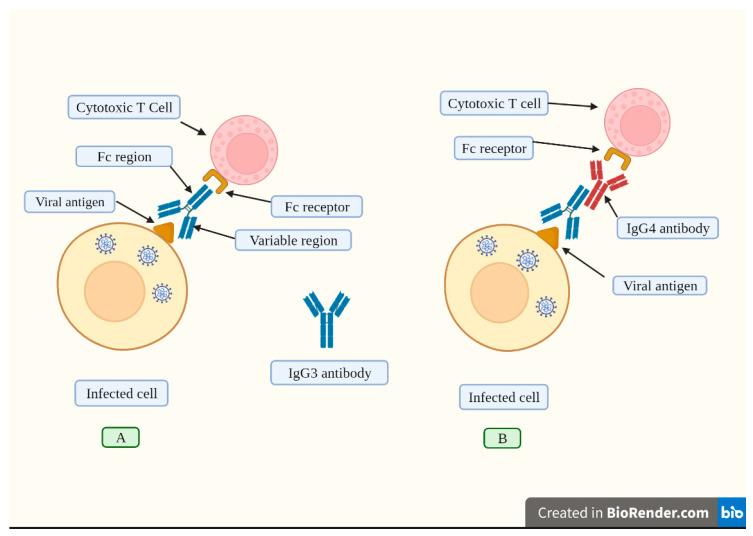
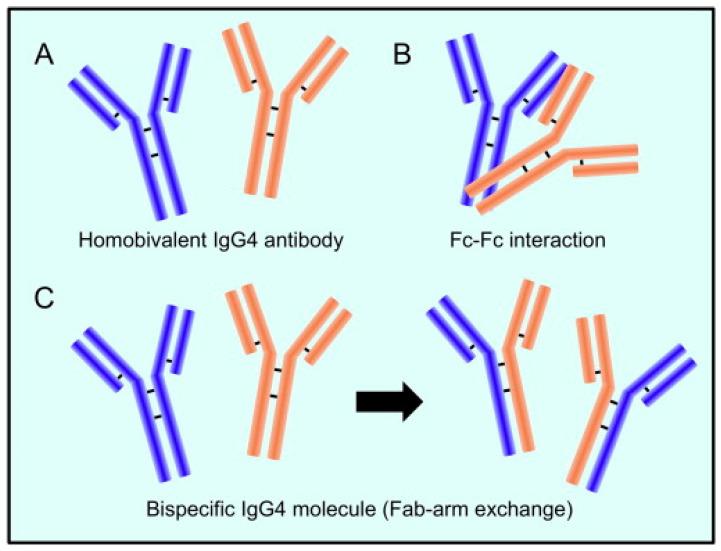
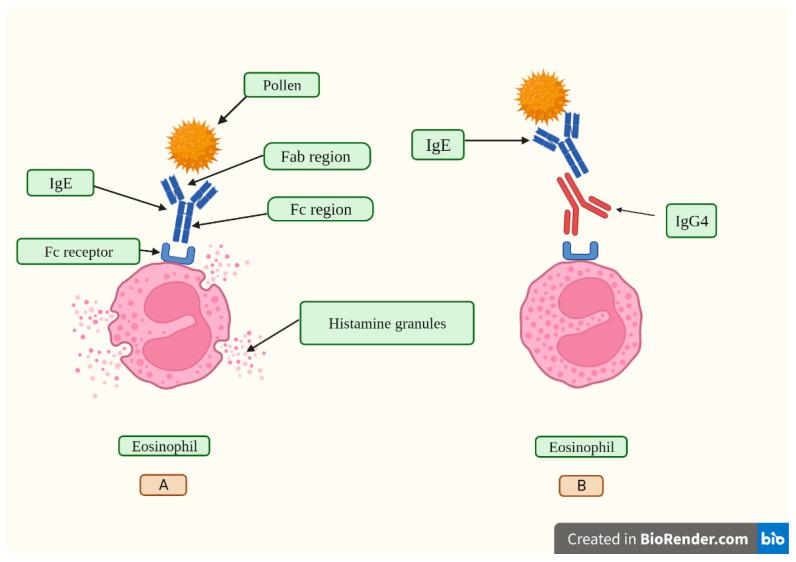
Less than a year after the global emergence of the coronavirus SARS-CoV-2, a novel vaccine platform based on mRNA technology was introduced to the market. Globally, around 13.38 billion COVID-19 vaccine doses of diverse platforms have been administered. To date, 72.3% of the total population has been injected at least once with a COVID-19 vaccine. As the immunity provided by these vaccines rapidly wanes, their ability to prevent hospitalization and severe disease in individuals with comorbidities has recently been questioned, and increasing evidence has shown that, as with many other vaccines, they do not produce sterilizing immunity, allowing people to suffer frequent re-infections. Additionally, recent investigations have found abnormally high levels of IgG4 in people who were administered two or more injections of the mRNA vaccines. HIV, Malaria, and Pertussis vaccines have also been reported to induce higher-than-normal IgG4 synthesis. Overall, there are three critical factors determining the class switch to IgG4 antibodies: excessive antigen concentration, repeated vaccination, and the type of vaccine used. It has been suggested that an increase in IgG4 levels could have a protecting role by preventing immune over-activation, similar to that occurring during successful allergen-specific immunotherapy by inhibiting IgE-induced effects. However, emerging evidence suggests that the reported increase in IgG4 levels detected after repeated vaccination with the mRNA vaccines may not be a protective mechanism; rather, it constitutes an immune tolerance mechanism to the spike protein that could promote unopposed SARS-CoV2 infection and replication by suppressing natural antiviral responses. Increased IgG4 synthesis due to repeated mRNA vaccination with high antigen concentrations may also cause autoimmune diseases, and promote cancer growth and autoimmune myocarditis in susceptible individuals.
在冠状病毒SARS-CoV-2全球出现不到一年后,一种基于mRNA技术的新型疫苗平台被推向市场。在全球范围内,已接种了约133.8亿剂不同平台的COVID-19疫苗。迄今为止,总人口的72.3%已至少接种过一次COVID-19疫苗。由于这些疫苗所提供的免疫力迅速减弱,它们在预防合并症患者住院和重症方面的能力最近受到质疑,而且越来越多的证据表明,与许多其他疫苗一样,它们不会产生无菌免疫,从而使人们频繁再次感染。此外,最近的调查发现,接种两剂或更多剂mRNA疫苗的人群中IgG4水平异常高。据报道,HIV、疟疾和百日咳疫苗也会诱导高于正常水平的IgG4合成。总体而言,有三个关键因素决定向IgG4抗体的类别转换:抗原浓度过高、重复接种疫苗以及所用疫苗的类型。有人提出,IgG4水平的升高可能通过防止免疫过度激活起到保护作用,类似于在成功的过敏原特异性免疫治疗期间通过抑制IgE诱导的效应所发生的情况。然而,新出现的证据表明,接种mRNA疫苗后报告的IgG4水平升高可能不是一种保护机制;相反,它构成了一种针对刺突蛋白的免疫耐受机制,可能通过抑制天然抗病毒反应促进SARS-CoV2不受阻碍地感染和复制。由于高抗原浓度的mRNA重复接种导致的IgG4合成增加也可能导致自身免疫性疾病,并在易感个体中促进癌症生长和自身免疫性心肌炎。

 Zotero 插件