
αTSR 结构域与环子孢子蛋白结合的硫酸乙酰肝素和经纳米颗粒展示后诱导高滴度的子孢子结合抗体。
The αTSR Domain of Circumsporozoite Protein Bound Heparan Sulfates and Elicited High Titers of Sporozoite Binding Antibody After Displayed by Nanoparticles.
机构信息
Division of Infectious Diseases, Cincinnati Children's Hospital Medical Center, Cincinnati, OH, USA.
Department of Biological Sciences, Purdue University, West Lafayette, IN, USA.
出版信息
Int J Nanomedicine. 2023 Jun 8;18:3087-3107. doi: 10.2147/IJN.S406314. eCollection 2023.
INTRODUCTION
Malaria is a devastating infectious illness caused by protozoan parasites. The circumsporozoite protein (CSP) on sporozoites binds heparan sulfate proteoglycan (HSPG) receptors for liver invasion, a critical step for prophylactic and therapeutic interventions.
METHODS
In this study, we characterized the αTSR domain that covers region III and the thrombospondin type-I repeat (TSR) of the CSP using various biochemical, glycobiological, bioengineering, and immunological approaches.
RESULTS
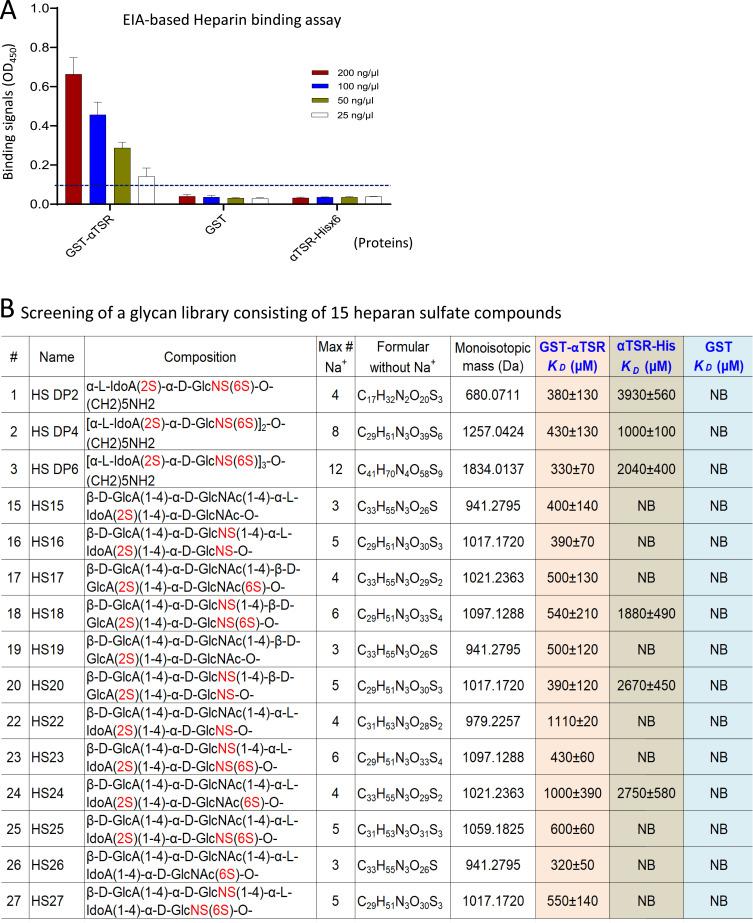
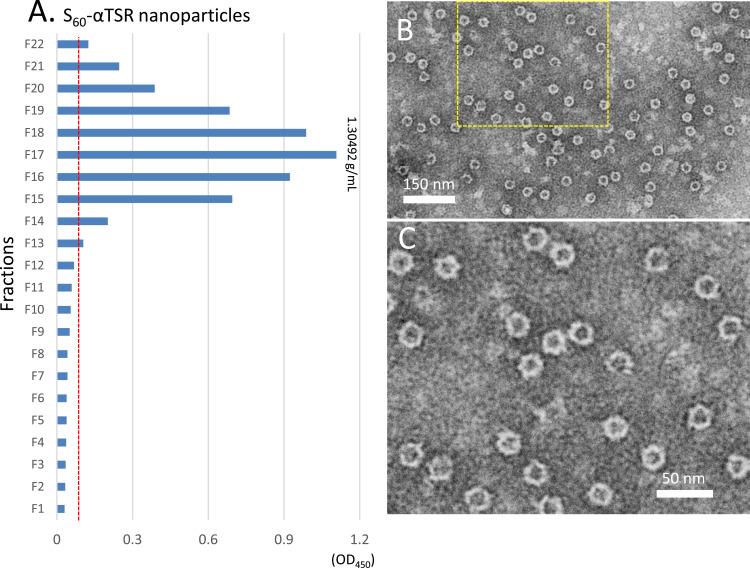
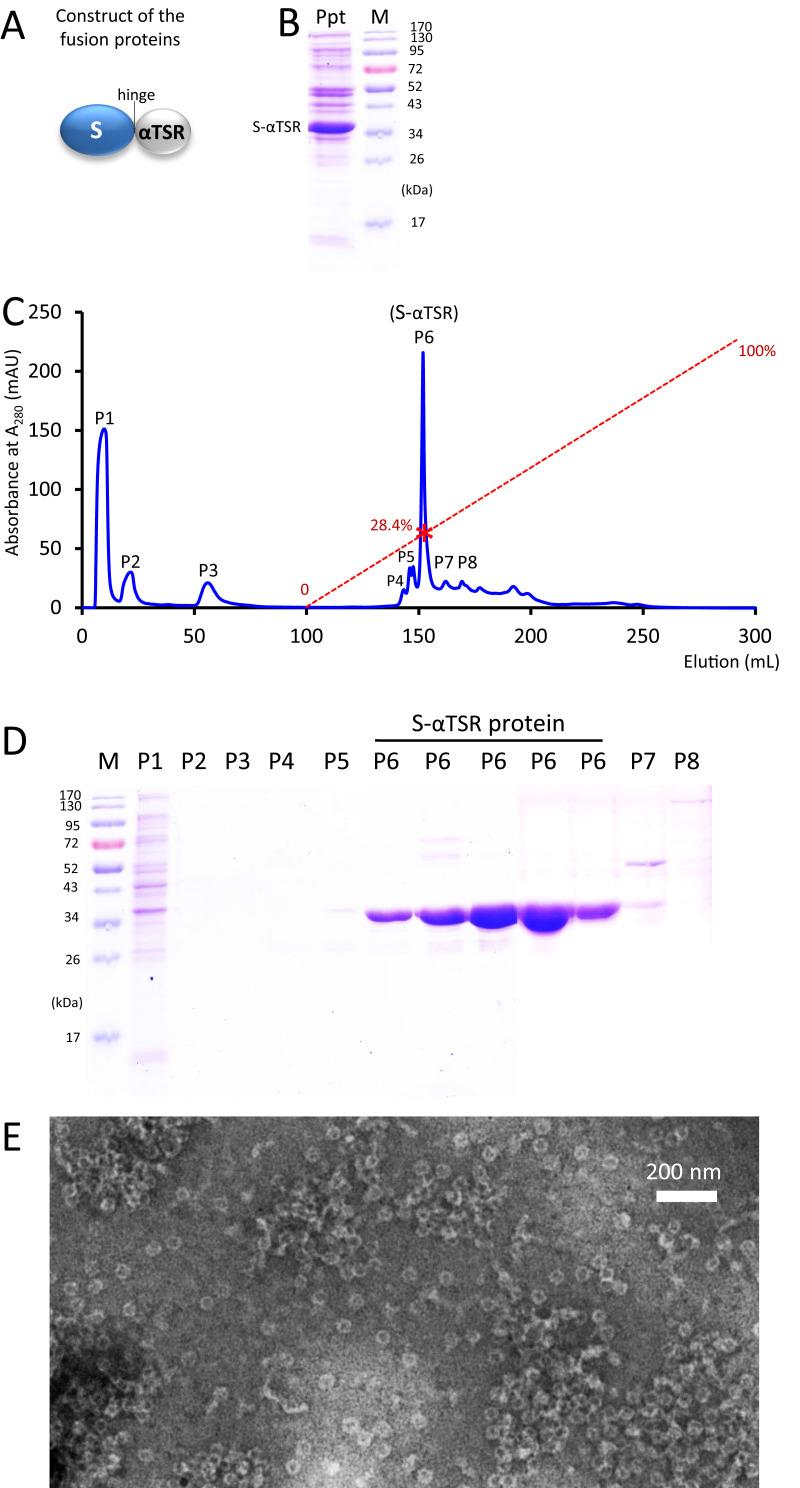
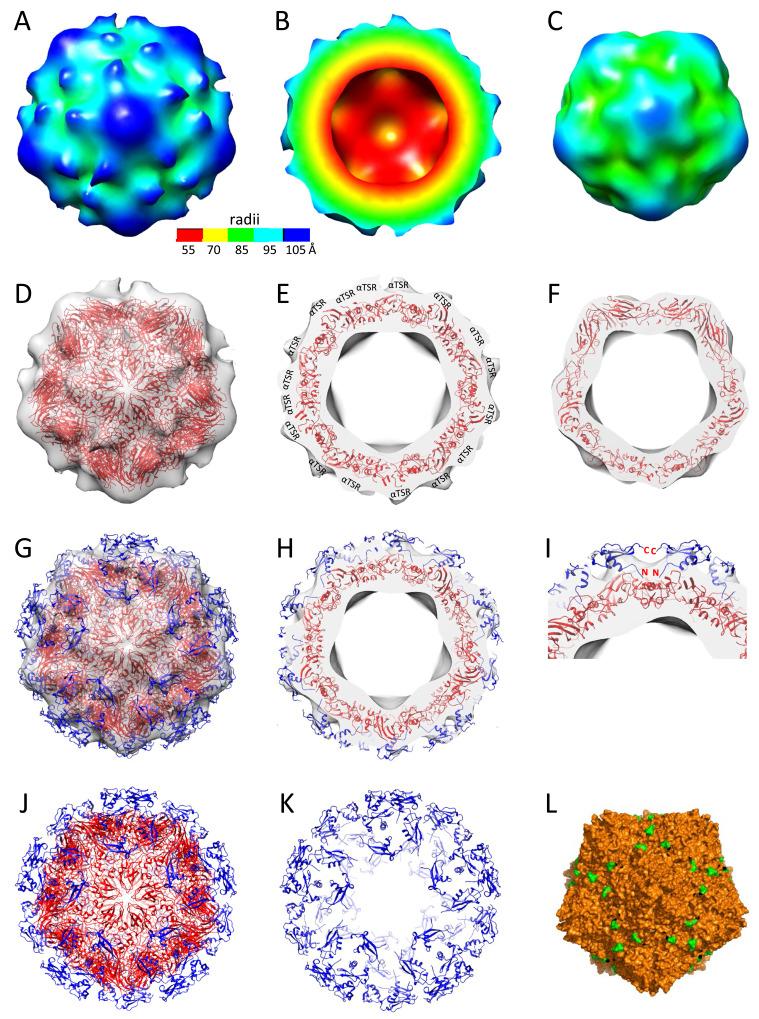
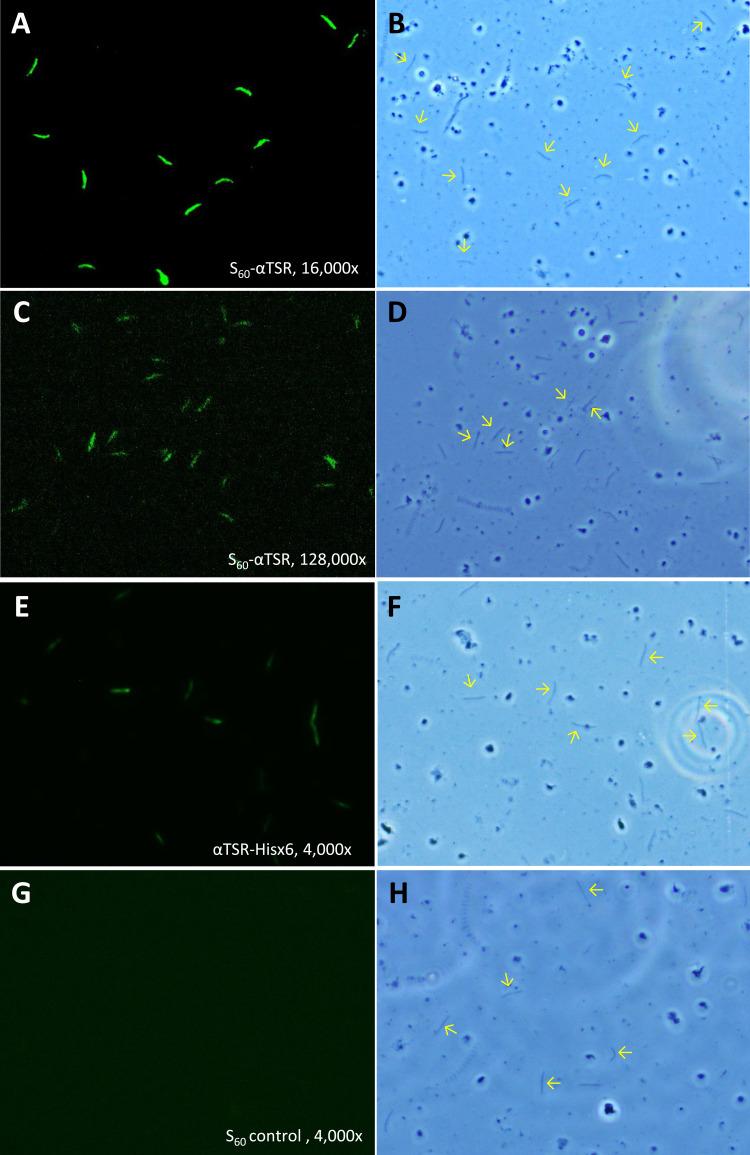
We found for the first time that the αTSR bound heparan sulfate (HS) glycans through support by a fused protein, indicating that the αTSR is a key functional domain and thus a vaccine target. When the αTSR was fused to the S domain of norovirus VP1, the fusion protein self-assembled into uniform S-αTSR nanoparticles. Three-dimensional structure reconstruction revealed that each nanoparticle consists of an S nanoparticle core and 60 surface displayed αTSR antigens. The nanoparticle displayed αTSRs retained the binding function to HS glycans, indicating that they maintained authentic conformations. Both tagged and tag-free S-αTSR nanoparticles were produced via the system at high yield by scalable approaches. They are highly immunogenic in mice, eliciting high titers of αTSR-specific antibody that bound specifically to the CSPs of sporozoites at high titer.
DISCUSSION AND CONCLUSION
Our data demonstrated that the αTSR is an important functional domain of the CSP. The S-αTSR nanoparticle displaying multiple αTSR antigens is a promising vaccine candidate potentially against attachment and infection of parasites.
简介
疟疾是一种由原生动物寄生虫引起的破坏性传染病。子孢子上的环子孢子蛋白(CSP)与硫酸乙酰肝素蛋白聚糖(HSPG)受体结合,这是肝脏入侵的关键步骤,也是预防和治疗干预的关键步骤。
方法
在这项研究中,我们使用各种生化、糖生物学、生物工程和免疫学方法,对 CSP 的αTSR 结构域和包含 III 区和血栓反应蛋白型-I 重复(TSR)的区域进行了表征。
结果
我们首次发现αTSR 通过融合蛋白与硫酸乙酰肝素(HS)糖结合,这表明αTSR 是一个关键的功能结构域,因此也是疫苗的靶标。当αTSR 融合到诺如病毒 VP1 的 S 结构域时,融合蛋白会自行组装成均匀的 S-αTSR 纳米颗粒。三维结构重建表明,每个纳米颗粒由一个 S 纳米颗粒核心和 60 个表面展示的αTSR 抗原组成。纳米颗粒展示的αTSR 保留了与 HS 糖结合的功能,表明它们保持了真实的构象。通过可扩展的方法,通过系统可以高效地生产标记和非标记的 S-αTSR 纳米颗粒。它们在小鼠中具有高度的免疫原性,可诱导产生高滴度的αTSR 特异性抗体,该抗体可与高滴度的子孢子 CSP 特异性结合。
讨论和结论
我们的数据表明,αTSR 是 CSP 的一个重要功能结构域。展示多个αTSR 抗原的 S-αTSR 纳米颗粒是一种很有前途的疫苗候选物,可能对寄生虫的附着和感染具有预防作用。




 Zotero 插件