
对印度东部一家三级护理教学医院儿科门诊患者使用世界卫生组织的准入、观察、储备抗生素及核心处方指标情况的评估。
Assessment of use of World Health Organization access, watch, reserve antibiotics and core prescribing indicators in pediatric outpatients in a tertiary care teaching hospital in Eastern India.
作者信息
Mandal Pragnadyuti, Asad Mustafa, Kayal Arijit, Biswas Mohuya
机构信息
Department of Pharmacology, Medical College, Kolkata, West Bengal, India.
Department of Pharmacology, Calcutta National Medical College, Kolkata, West Bengal, India.
出版信息
Perspect Clin Res. 2023 Apr-Jun;14(2):61-67. doi: 10.4103/picr.picr_22_22. Epub 2022 Jul 11.
OBJECTIVES
The objective of this study was to analyze antibiotic prescribing patterns in pediatric outpatients in a tertiary care teaching hospital in Eastern India, to identify use of World Health Organization (WHO) access, watch and reserve (AWaRe) antibiotics and to identify rationality of prescribing on the basis of WHO core prescribing indicators.
MATERIALS AND METHODS
Scanned copies of prescriptions were collected from the pediatrics outpatients and antibiotic utilization pattern was analyzed in reference to WHO AWaRe groupings and core prescribing indicators.
RESULTS
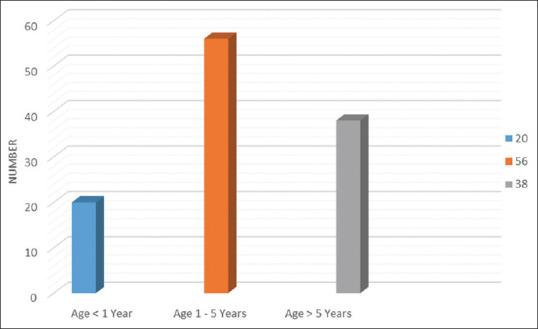
Over the 3 months study period, 310 prescriptions were screened. The prevalence of antibiotic use 36.77%. The majority of the 114 children who received antibiotics were males (52.64%, 60) and belonged to 1-5 year age group (49.12%, 56). The highest number of antibiotic prescriptions was from the penicillin class (58, 46.60%) followed by cephalosporin (23.29%) and macrolide (16.54%). Most number of prescribed antibiotics belonged to Access group (63, 47.37%), followed by Watch group (51, 38.35%). Average number of drugs per prescription was 2.66, percentage of encounters with injections were 0.64%. Most of the prescriptions were prescribed using generic name (74.18%, 612), 58.30% (481) of drugs were from WHO Model List of Essential Medicines for children.
CONCLUSION
If antibiotics are indicated, more number of antibiotics from the Access group may be used for ambulatory children who attend outpatient department of tertiary care hospitals. A simple combination of metrics based on AWaRe groups and core prescribing indicators may eliminate the problem of unnecessary antibiotic prescribing in children and may broaden the antibiotic stewardship opportunities.
目的
本研究的目的是分析印度东部一家三级护理教学医院儿科门诊患者的抗生素处方模式,确定世界卫生组织(WHO)的获取、观察和储备(AWaRe)抗生素的使用情况,并根据WHO核心处方指标确定处方的合理性。
材料与方法
从儿科门诊患者处收集处方扫描件,并参照WHO的AWaRe分组和核心处方指标分析抗生素使用模式。
结果
在3个月的研究期间,共筛选了310份处方。抗生素使用率为36.77%。接受抗生素治疗的114名儿童中,大多数为男性(52.64%,60名),年龄在1至5岁组(49.12%,56名)。抗生素处方数量最多的是青霉素类(58份,46.60%),其次是头孢菌素类(23.29%)和大环内酯类(16.54%)。处方抗生素数量最多的属于获取组(63份,47.37%),其次是观察组(51份,38.35%)。每张处方的平均药物数量为2.66种,注射给药的比例为0.64%。大多数处方使用通用名开具(74.18%,612份),58.30%(481种)的药物来自WHO儿童基本药物示范清单。
结论
如果需要使用抗生素,对于在三级护理医院门诊就诊的门诊儿童,可以使用更多来自获取组的抗生素。基于AWaRe分组和核心处方指标的简单指标组合可能会消除儿童不必要的抗生素处方问题,并可能扩大抗生素管理的机会。
 Zotero 插件