
吸入式纳米治疗药物治疗肺纤维化:最新进展与未来展望。
Inhaled nano-based therapeutics for pulmonary fibrosis: recent advances and future prospects.
机构信息
Collaborative Innovation Center of Yangtze River Delta Region Green Pharmaceuticals and College of Pharmaceutical Science, Zhejiang University of Technology, Hangzhou, 310014, China.
Zhejiang China Resources Sanjiu Zhongyi Pharmaceutical Co., Ltd, Lishui, 323000, China.
出版信息
J Nanobiotechnology. 2023 Jul 8;21(1):215. doi: 10.1186/s12951-023-01971-7.
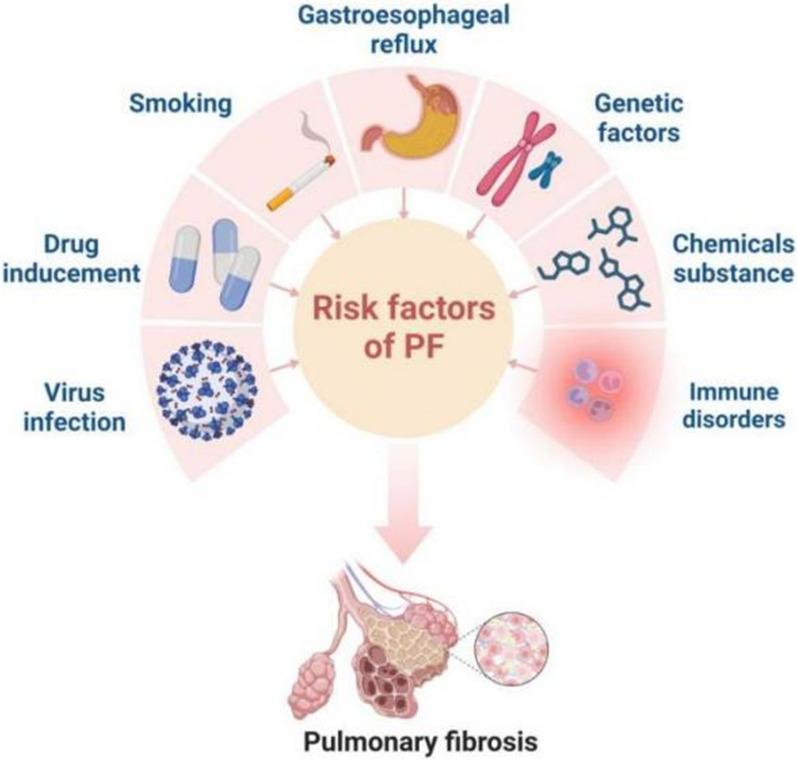
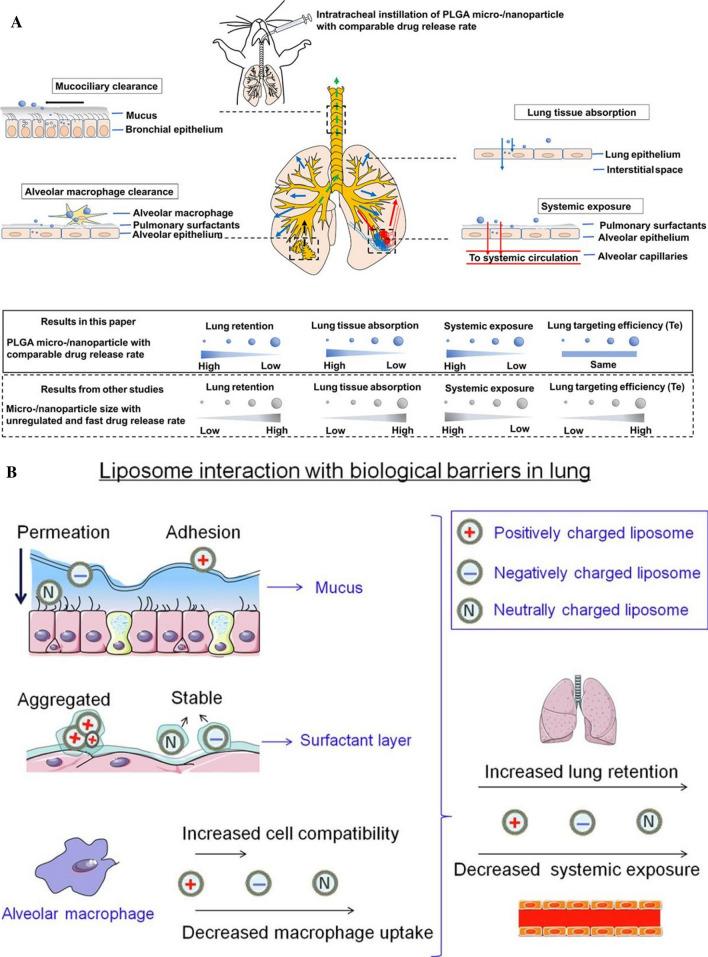
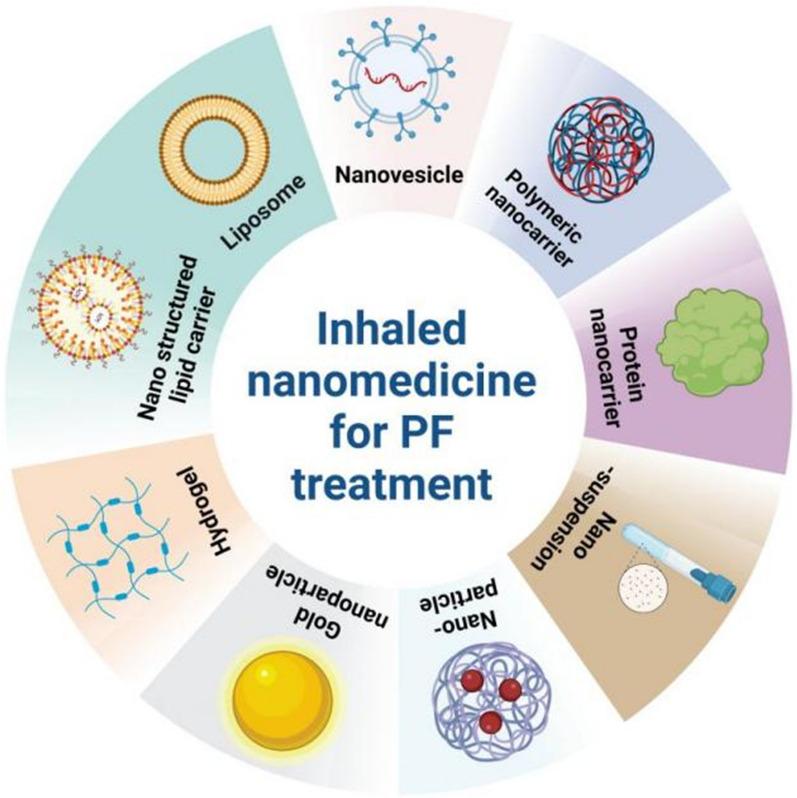
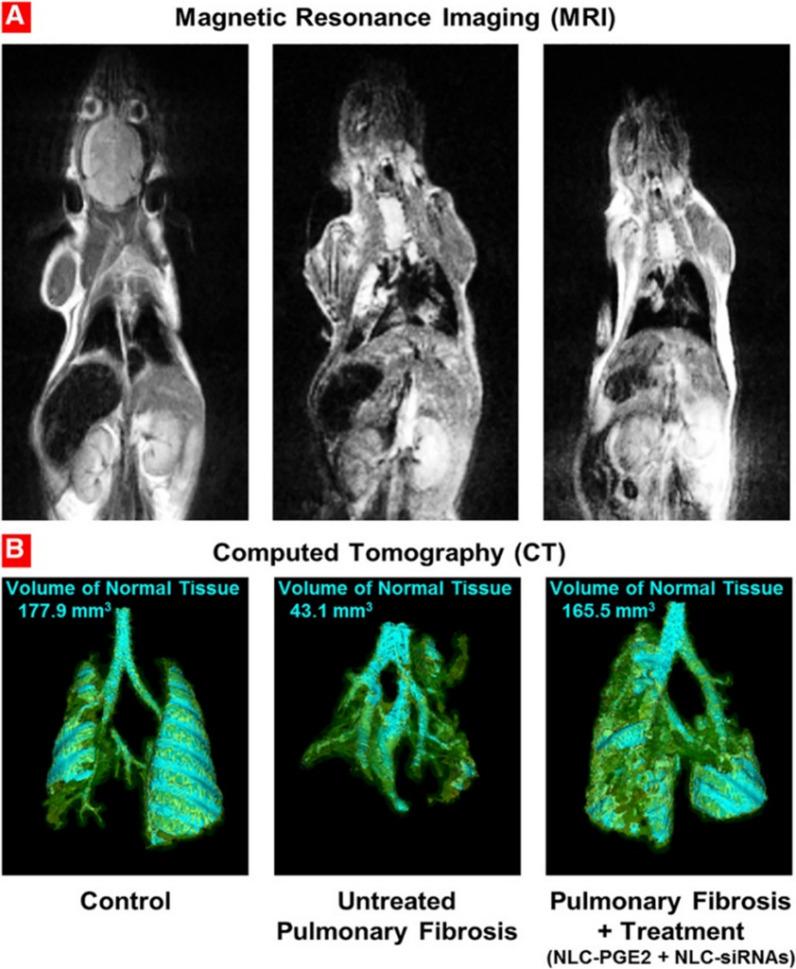
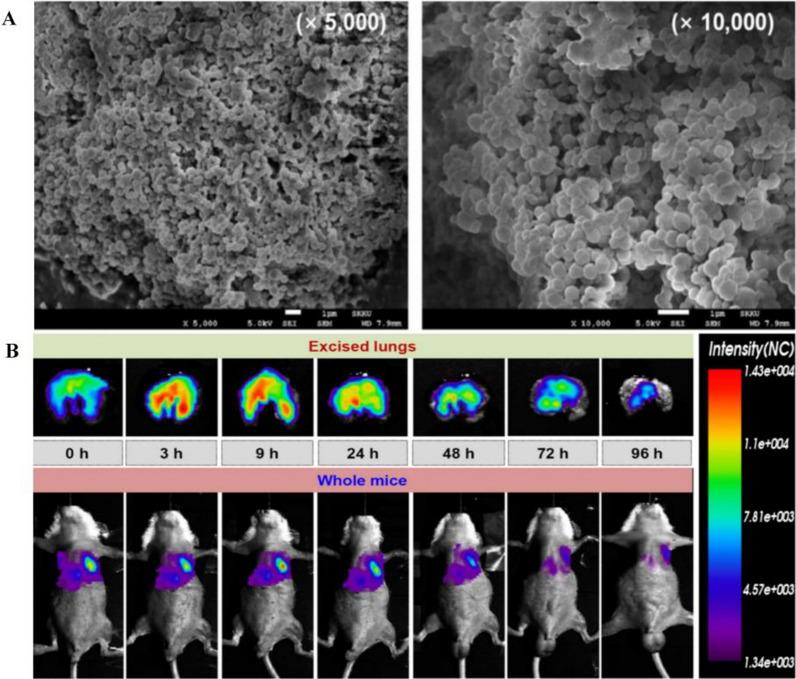
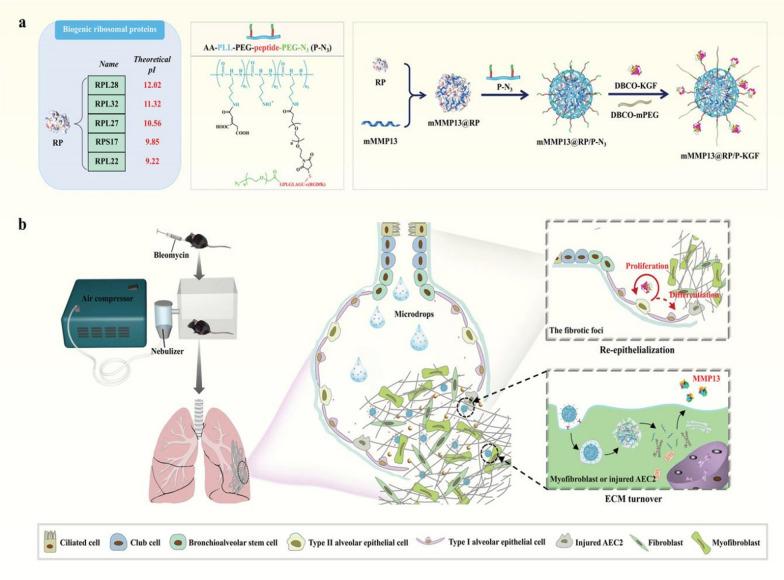
It is reported that pulmonary fibrosis has become one of the major long-term complications of COVID-19, even in asymptomatic individuals. Currently, despite the best efforts of the global medical community, there are no treatments for COVID-induced pulmonary fibrosis. Recently, inhalable nanocarriers have received more attention due to their ability to improve the solubility of insoluble drugs, penetrate biological barriers of the lungs and target fibrotic tissues in the lungs. The inhalation route has many advantages as a non-invasive method of administration and the local delivery of anti-fibrosis agents to fibrotic tissues like direct to the lesion from the respiratory system, high delivery efficiency, low systemic toxicity, low therapeutic dose and more stable dosage forms. In addition, the lung has low biometabolic enzyme activity and no hepatic first-pass effect, so the drug is rapidly absorbed after pulmonary administration, which can significantly improve the bioavailability of the drug. This paper summary the pathogenesis and current treatment of pulmonary fibrosis and reviews various inhalable systems for drug delivery in the treatment of pulmonary fibrosis, including lipid-based nanocarriers, nanovesicles, polymeric nanocarriers, protein nanocarriers, nanosuspensions, nanoparticles, gold nanoparticles and hydrogel, which provides a theoretical basis for finding new strategies for the treatment of pulmonary fibrosis and clinical rational drug use.
据报道,肺纤维化已成为 COVID-19 的主要长期并发症之一,即使在无症状个体中也是如此。目前,尽管全球医学界做出了最大努力,仍没有针对 COVID 引起的肺纤维化的治疗方法。最近,由于吸入式纳米载体能够提高难溶性药物的溶解度、穿透肺部的生物屏障并靶向肺部的纤维化组织,因此受到了更多关注。与其他给药途径相比,吸入途径作为一种非侵入性给药方法具有许多优点,如直接将抗纤维化药物递送到肺部的纤维化组织中,可实现局部递药,具有高效的递药效率、低系统毒性、低治疗剂量和更稳定的剂型。此外,肺部的生物代谢酶活性低,不存在肝首过效应,因此肺部给药后药物迅速被吸收,可显著提高药物的生物利用度。本文总结了肺纤维化的发病机制和目前的治疗方法,并综述了各种用于肺纤维化治疗的吸入式给药系统,包括基于脂质的纳米载体、纳米囊泡、聚合物纳米载体、蛋白纳米载体、纳米混悬剂、纳米粒、金纳米粒和水凝胶,为寻找肺纤维化治疗的新策略和临床合理用药提供了理论依据。







 Zotero 插件