
基于网络药理学和分子对接技术研究舒筋通络颗粒治疗颈椎病的作用机制。
Study on the mechanism of Shujin Tongluo granules in treating cervical spondylosis based on network pharmacology and molecular docking.
机构信息
Department of Clinical Chinese Pharmacy, School of Chinese Materia Medica, Beijing University of Chinese Medicine, Beijing, China.
Shineway Pharmaceutical Group Limited, Shijiazhuang, China.
出版信息
Medicine (Baltimore). 2023 Jul 21;102(29):e34030. doi: 10.1097/MD.0000000000034030.
BACKGROUND
To investigate the potential active ingredients and possible mechanisms of Shujin Tongluo granules (SJTLG) in the treatment of cervical spondylosis (CS) by network pharmacology and molecular docking.
METHODS
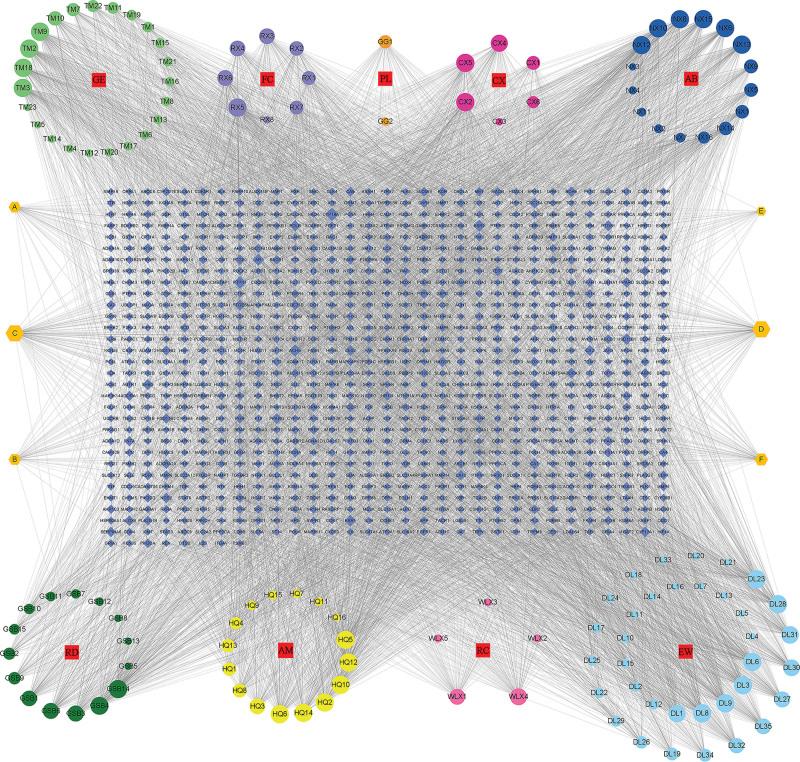
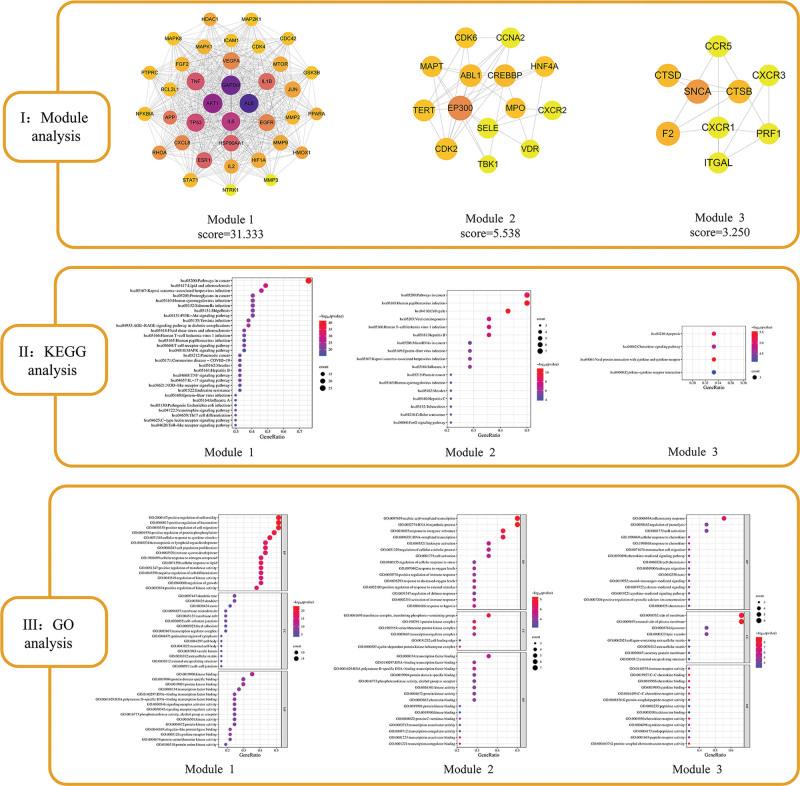
The active ingredients and potential targets of SJTLG were obtained through databases such as traditional Chinese medicine system (TCMSP) and BATMAN-traditional Chinese medicine (TCM), and the relevant human targets of CS were identified through databases such as OMIM, GeneCards, and DisGeNET. The intersection targets were imported into STRING for protein-protein interaction (PPI) analysis. The obtained data were imported into Cytoscape 3.9.0 software for visualization, and module analysis was performed using the MCODE plug-in. The representative targets were screened through the Metascape website for pathway enrichment analysis in Gene Ontology (GO) and Kyoto Encyclopedia of Genes and Genomes (KEGG). Cytoscape software was used to build networks such as "drug-compound-target" and "drug-compound-target-pathway." Finally, the key targets were selected for molecular docking with the corresponding compounds by Autodock Tools 1.5.7 and visualized by PyMol.
RESULTS
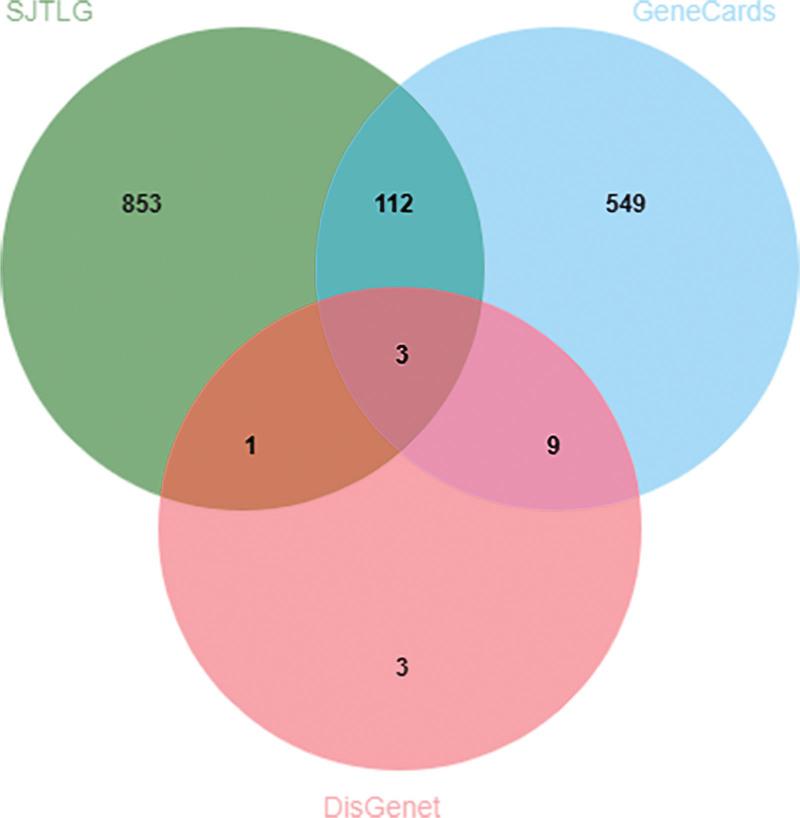
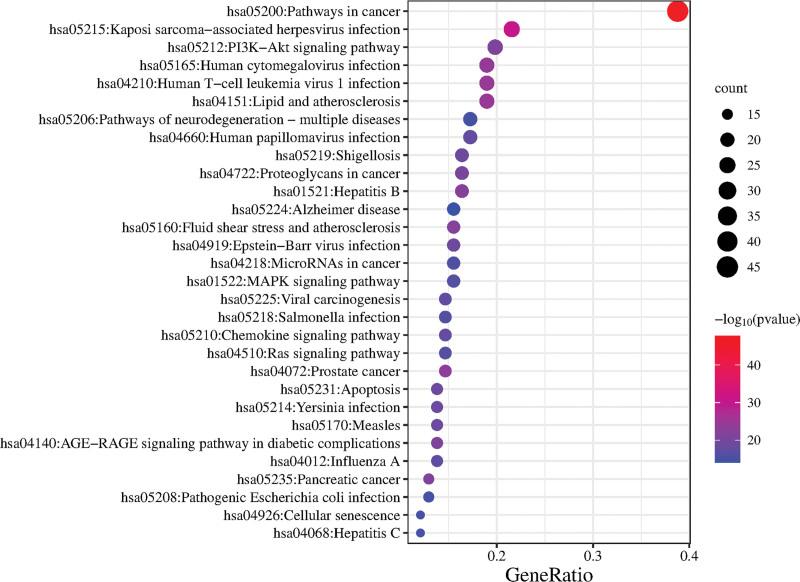
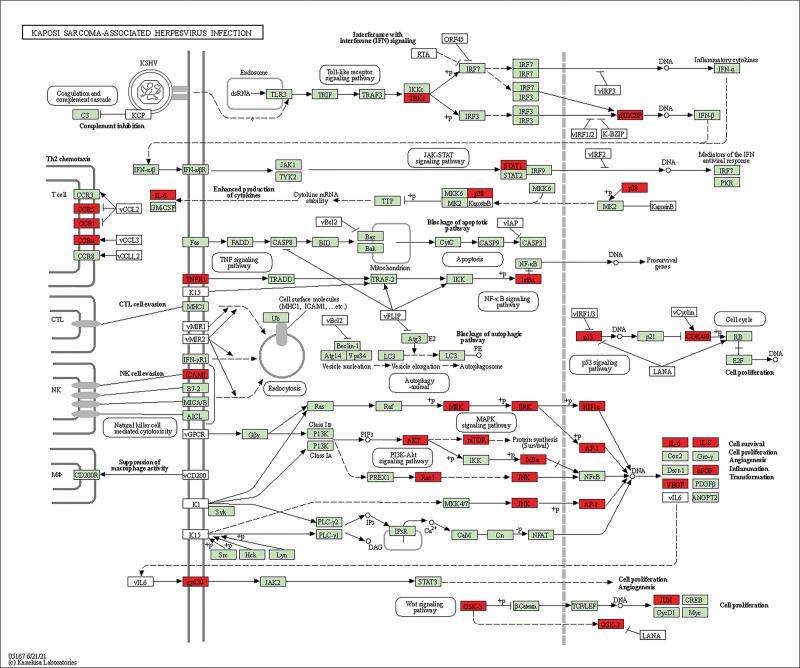
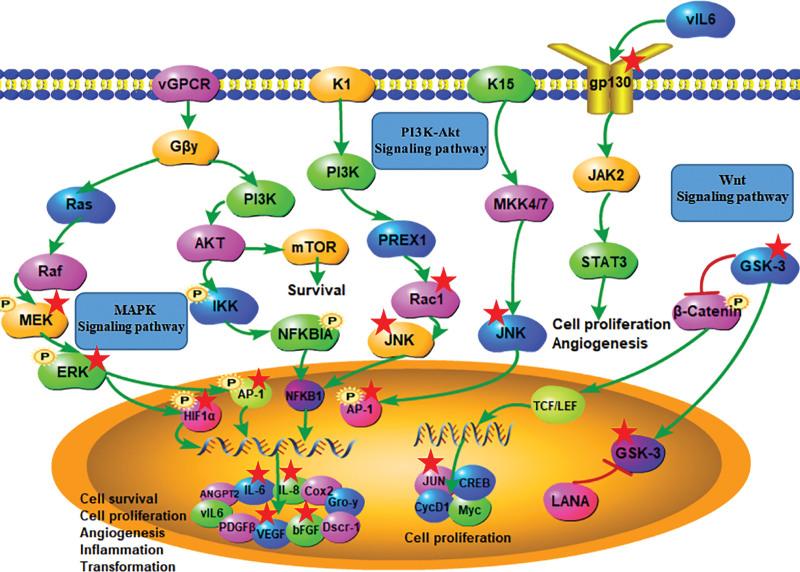
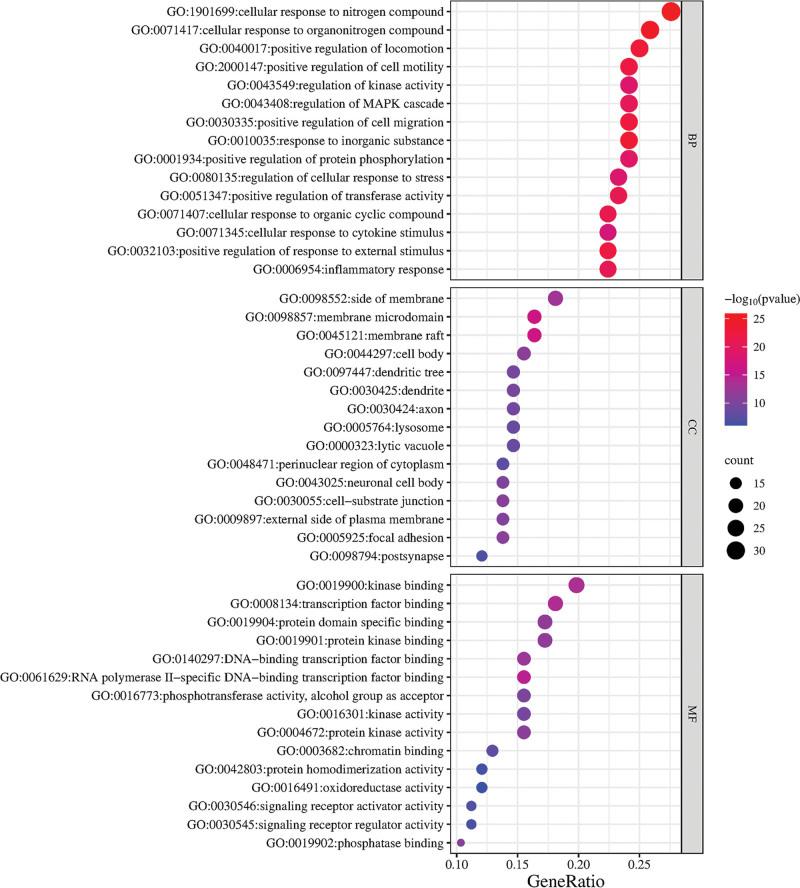
A total of 132 active compounds and 996 targets from SJTLG and 678 targets from CS were screened with 116 intersection targets. The key targets were AKT1, GAPDH, ALB, IL-6, TP53, TNF, VEGFA, IL-1β, EGFR, HSP90AA1, ESR1, and JUN. The results of GO and KEGG enrichment analysis showed that the treatment of CS was mainly related to biological processes such as cellular response to nitrogen compound, cellular response to organonitrogen compound, and positive regulation of locomotion, and the targets were mainly focused on pathways in cancer, Kaposi sarcoma-associated herpesvirus infection, PI3K-Akt signaling pathway, lipid, and atherosclerosis. Molecular docking results showed that the minimum binding energy between the core targets and the corresponding compound was <-5.0 kcal·mol-1.
CONCLUSION
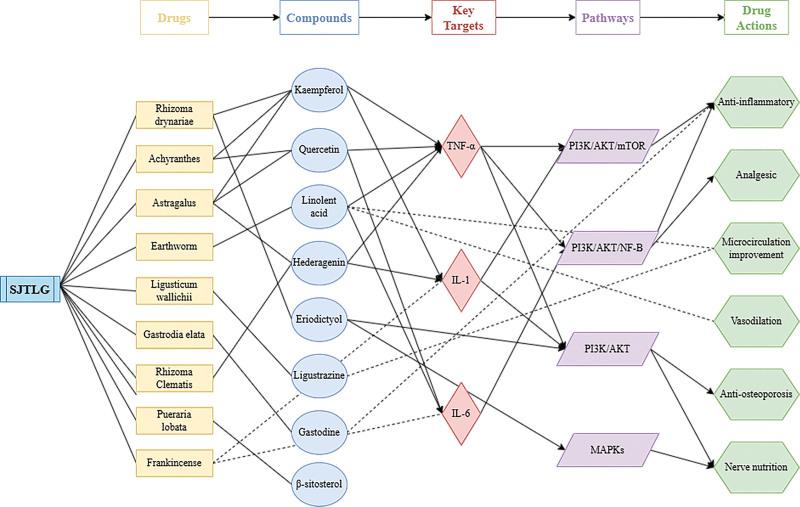
This study preliminarily elucidates the potential active ingredients and mechanism of anti-inflammatory, analgesic, microcirculation improvement, vasodilation, osteoporosis inhibition and nerve nutrition effects of SJTLG in the treatment of CS and provides a reference for its clinical application.
背景
通过网络药理学和分子对接研究舒筋通络颗粒(SJTLG)治疗颈椎病(CS)的潜在活性成分和可能机制。
方法
通过中药系统药理学分析平台(TCMSP)和 BATMAN-传统中药(TCM)等数据库获得 SJTLG 的活性成分和潜在靶点,通过 OMIM、GeneCards 和 DisGeNET 等数据库鉴定 CS 的相关人类靶点。将交集靶点导入 STRING 进行蛋白质-蛋白质相互作用(PPI)分析。将获得的数据导入 Cytoscape 3.9.0 软件进行可视化,并使用 MCODE 插件进行模块分析。通过 Metascape 网站筛选代表性靶点,进行基因本体论(GO)和京都基因与基因组百科全书(KEGG)通路富集分析。使用 Cytoscape 软件构建“药物-化合物-靶点”和“药物-化合物-靶点-通路”等网络。最后,使用 Autodock Tools 1.5.7 对相应化合物与关键靶点进行分子对接,并通过 PyMol 进行可视化。
结果
共筛选出 SJTLG 的 132 种活性化合物和 996 个靶点,CS 的 678 个靶点,共 116 个交集靶点。关键靶点为 AKT1、GAPDH、ALB、IL-6、TP53、TNF、VEGFA、IL-1β、EGFR、HSP90AA1、ESR1 和 JUN。GO 和 KEGG 富集分析结果表明,CS 的治疗主要与细胞对含氮化合物的反应、细胞对有机含氮化合物的反应、运动的正调节等生物学过程有关,靶点主要集中在癌症、卡波西肉瘤相关疱疹病毒感染、PI3K-Akt 信号通路、脂质和动脉粥样硬化等通路。分子对接结果表明,核心靶点与相应化合物的最小结合能为<-5.0 kcal·mol-1。
结论
本研究初步阐明了 SJTLG 治疗 CS 的抗炎、镇痛、改善微循环、扩张血管、抑制骨质疏松和营养神经作用的潜在活性成分和机制,为其临床应用提供了参考。




 Zotero 插件