
精准营养:炒作超过了科学和证据标准,无法为预防慢性病的公共卫生建议提供信息。
Precision Nutrition: The Hype Is Exceeding the Science and Evidentiary Standards Needed to Inform Public Health Recommendations for Prevention of Chronic Disease.
机构信息
Institute for Advancing Health through Agriculture and Department of Nutrition Science, Texas A&M University, College Station, Texas, USA; email:
出版信息
Annu Rev Nutr. 2023 Aug 21;43:385-407. doi: 10.1146/annurev-nutr-061021-025153.
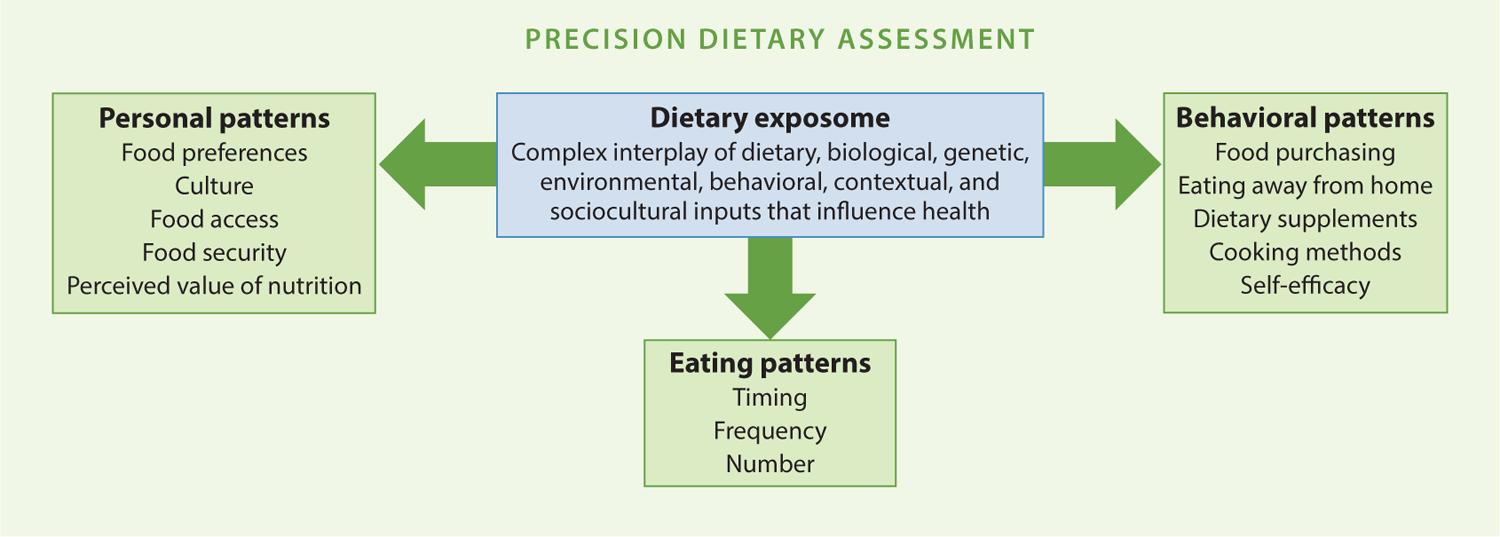
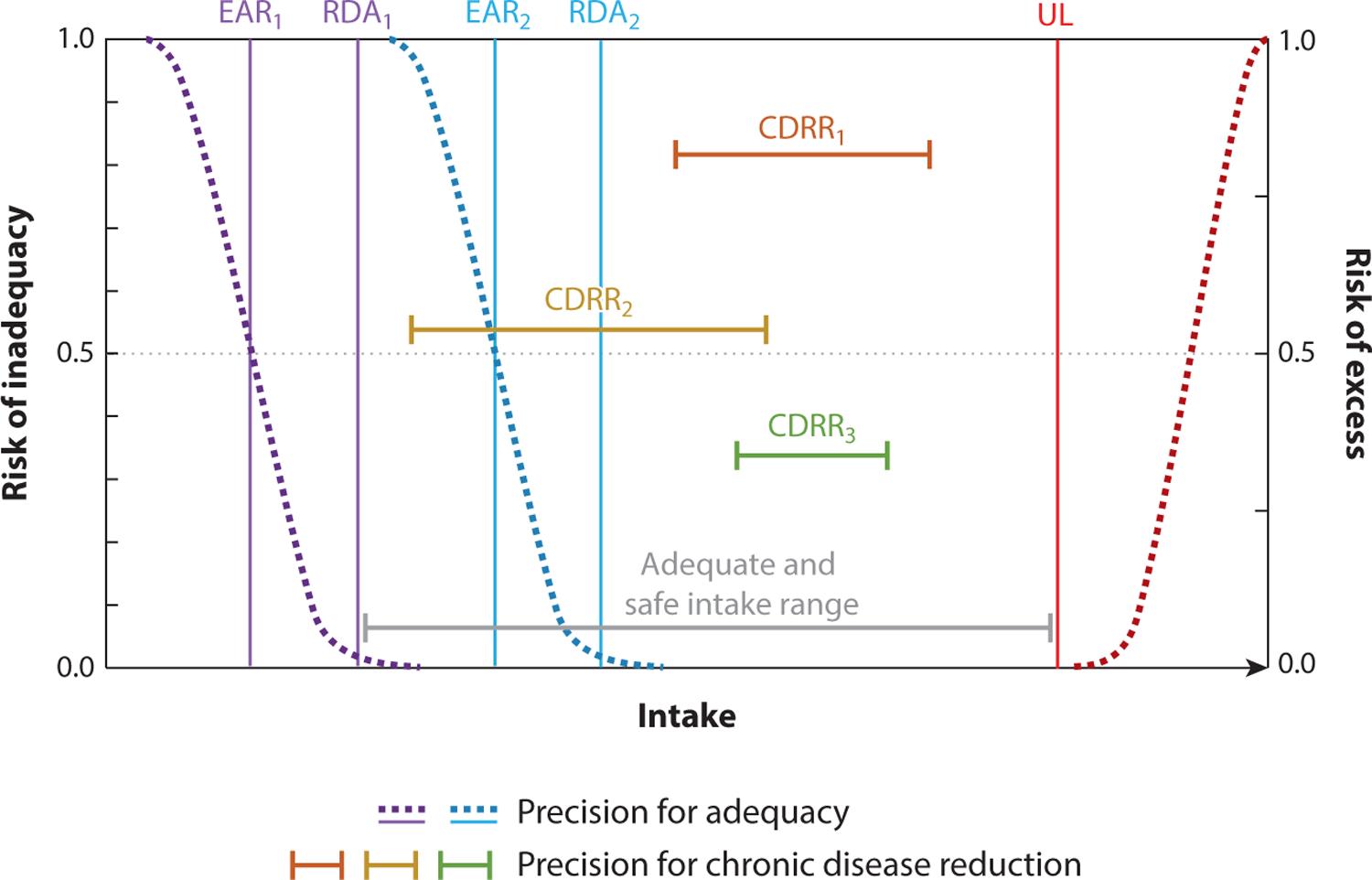
As dietary guidance for populations shifts from preventing deficiency disorders to chronic disease risk reduction, the biology supporting such guidance becomes more complex due to the multifactorial risk profile of disease and inherent population heterogeneity in the diet-disease relationship. Diet is a primary driver of chronic disease risk, and population-based guidance should account for individual responses. Cascading effects on evidentiary standards for population-based guidance are not straightforward. Precision remains a consideration for dietary guidance to prevent deficiency through the identification of population subgroups with unique nutritional needs. Reducing chronic disease through diet requires greater precision in () establishing essential nutrient needs throughout the life cycle in both health and disease; () considering effects of nutrients and other food substances on metabolic, immunological, inflammatory, and other physiological responses supporting healthy aging; and () considering healthy eating behaviors. Herein we provide a template for guiding population-based eating recommendations for reducing chronic diseases in heterogenous populations.
随着人群的饮食指导从预防营养缺乏症转向降低慢性病风险,由于疾病的多因素风险特征以及饮食与疾病关系中固有的人群异质性,支持此类指导的生物学依据变得更加复杂。饮食是慢性病风险的主要驱动因素,基于人群的指导应该考虑到个体的反应。对基于人群的指导的证据标准的级联效应并不简单。精准性仍然是通过识别具有独特营养需求的人群亚组来预防营养缺乏的饮食指导的一个考虑因素。通过饮食预防慢性病需要在以下方面更加精准:(1)在健康和疾病的整个生命周期中确定基本营养需求;(2)考虑营养素和其他食物成分对支持健康衰老的代谢、免疫、炎症和其他生理反应的影响;(3)考虑健康的饮食习惯。在此,我们提供了一个模板,用于指导基于人群的饮食建议,以减少异质人群中的慢性病。

 Zotero 插件