
低剂量卡铂修饰肿瘤微环境以增强 CAR T 细胞在人前列腺癌模型中的疗效。
Low-dose carboplatin modifies the tumor microenvironment to augment CAR T cell efficacy in human prostate cancer models.
机构信息
Prostate Cancer Research Group, Monash Biomedicine Discovery Institute, Cancer Program, Department of Anatomy and Developmental Biology, Monash University, Clayton, VIC, 3800, Australia.
Cancer Immunology Program, Cancer Research Division, Peter MacCallum Cancer Centre, Melbourne, VIC, 3000, Australia.
出版信息
Nat Commun. 2023 Sep 2;14(1):5346. doi: 10.1038/s41467-023-40852-3.
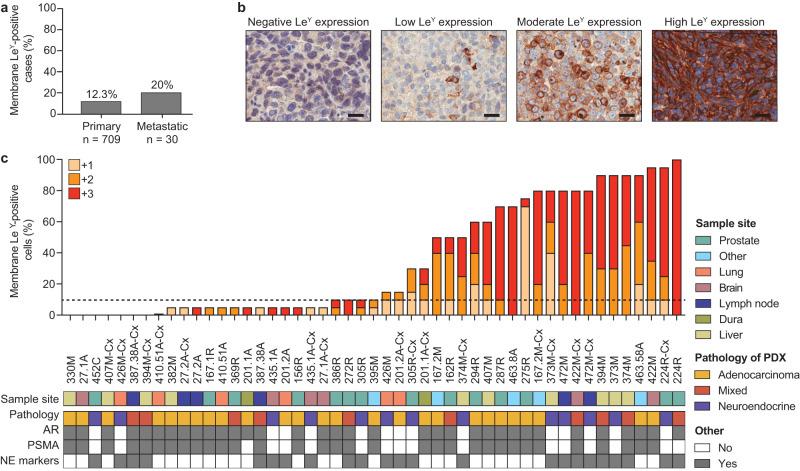
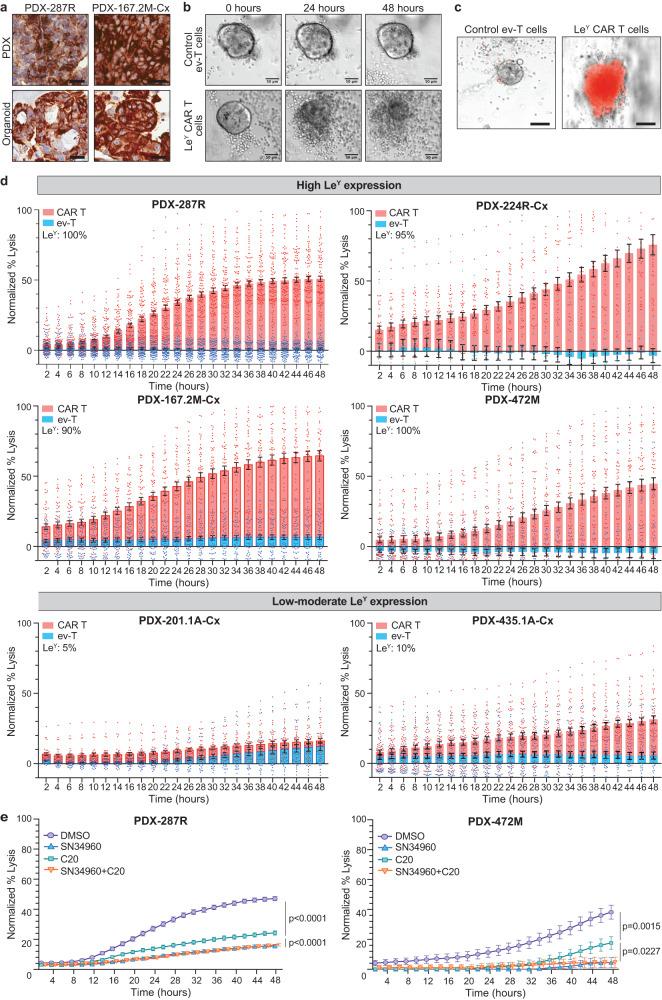
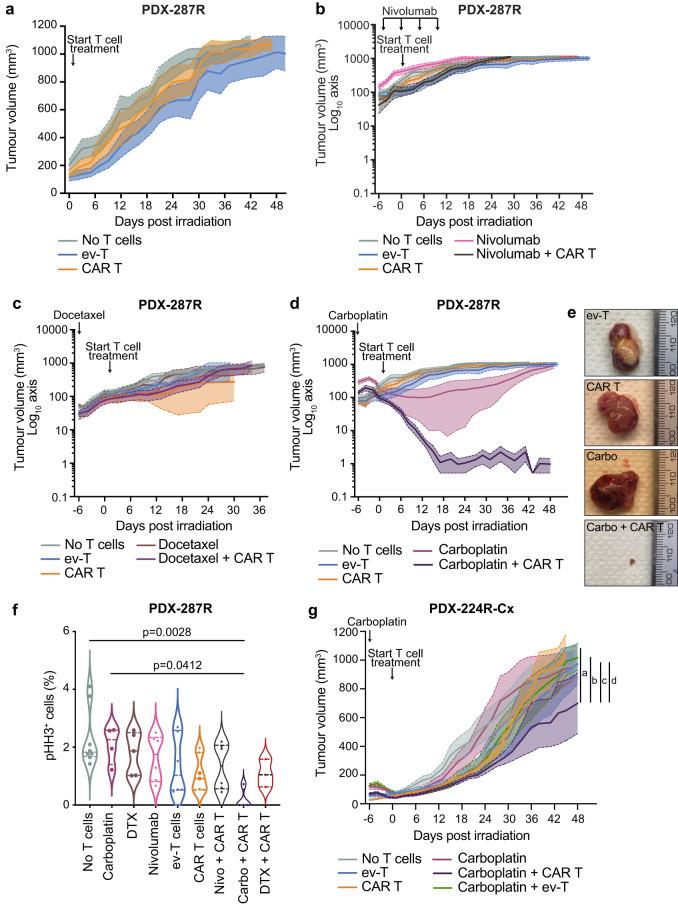
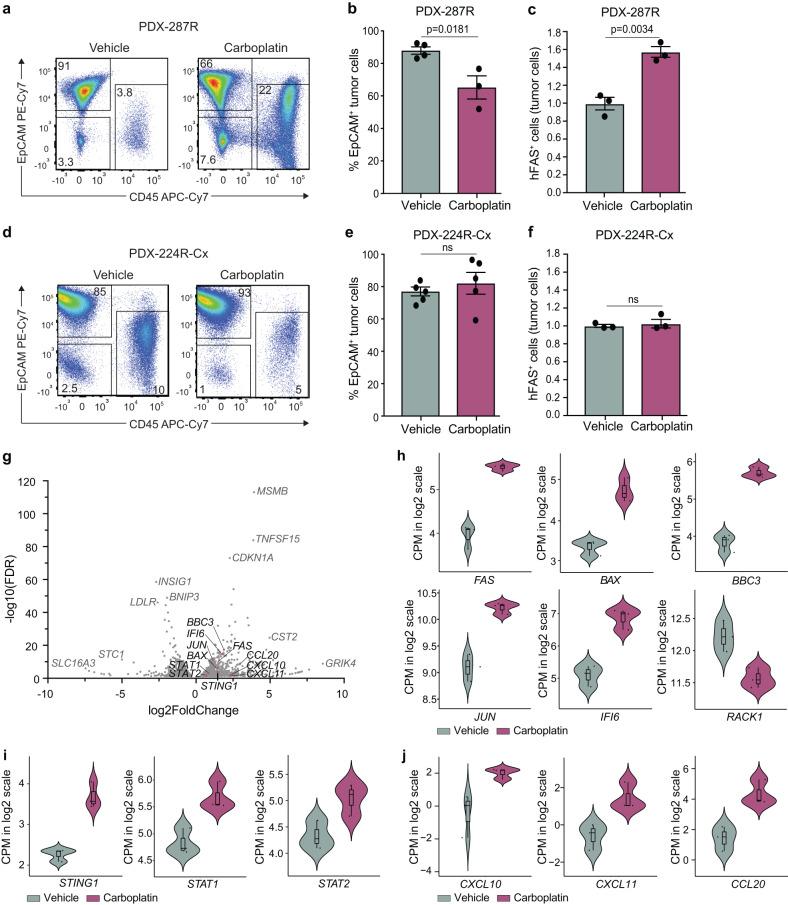
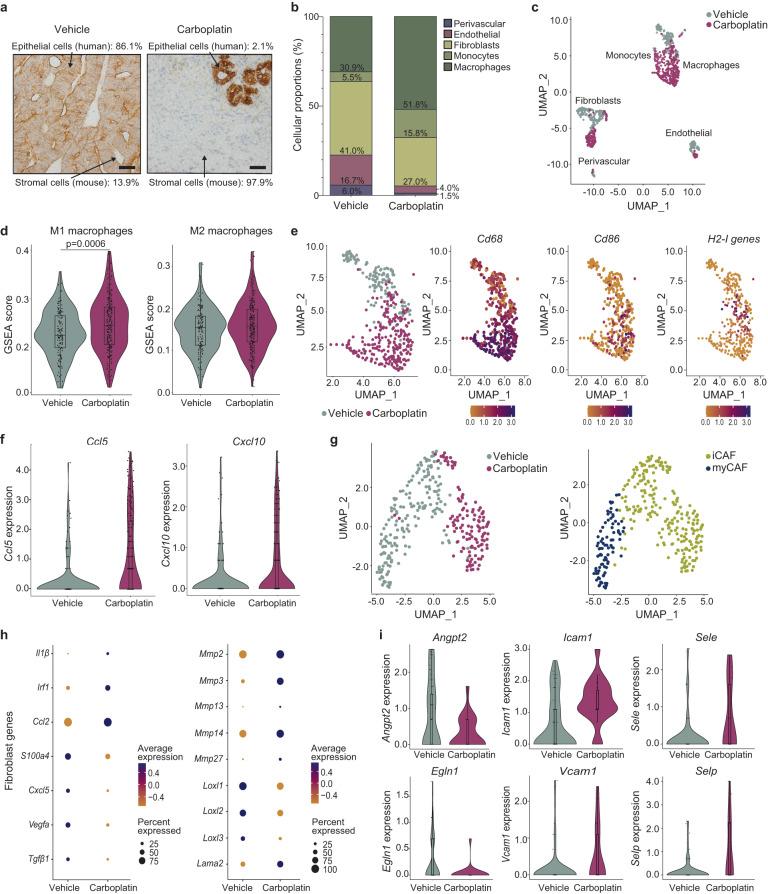
Chimeric antigen receptor (CAR) T cells have transformed the treatment landscape for hematological malignancies. However, CAR T cells are less efficient against solid tumors, largely due to poor infiltration resulting from the immunosuppressive nature of the tumor microenvironment (TME). Here, we assessed the efficacy of Lewis Y antigen (Le)-specific CAR T cells in patient-derived xenograft (PDX) models of prostate cancer. In vitro, Le CAR T cells directly killed organoids derived from androgen receptor (AR)-positive or AR-null PDXs. In vivo, although Le CAR T cells alone did not reduce tumor growth, a single prior dose of carboplatin reduced tumor burden. Carboplatin had a pro-inflammatory effect on the TME that facilitated early and durable CAR T cell infiltration, including an altered cancer-associated fibroblast phenotype, enhanced extracellular matrix degradation and re-oriented M1 macrophage differentiation. In a PDX less sensitive to carboplatin, CAR T cell infiltration was dampened; however, a reduction in tumor burden was still observed with increased T cell activation. These findings indicate that carboplatin improves the efficacy of CAR T cell treatment, with the extent of the response dependent on changes induced within the TME.
嵌合抗原受体 (CAR) T 细胞已经改变了血液恶性肿瘤的治疗格局。然而,CAR T 细胞对实体瘤的疗效较差,主要是由于肿瘤微环境 (TME) 的免疫抑制性质导致其渗透不良。在这里,我们评估了 Lewis Y 抗原 (Le) 特异性 CAR T 细胞在前列腺癌患者来源异种移植 (PDX) 模型中的疗效。在体外,Le CAR T 细胞直接杀伤源自雄激素受体 (AR) 阳性或 AR 缺失 PDX 的类器官。在体内,尽管单独使用 Le CAR T 细胞不能减少肿瘤生长,但单次卡铂治疗可降低肿瘤负担。卡铂对 TME 具有促炎作用,有利于 CAR T 细胞的早期和持久浸润,包括改变癌症相关成纤维细胞表型、增强细胞外基质降解和重新定向 M1 巨噬细胞分化。在对卡铂不太敏感的 PDX 中,CAR T 细胞浸润受到抑制;然而,随着 T 细胞激活增加,仍观察到肿瘤负担的减少。这些发现表明,卡铂可以提高 CAR T 细胞治疗的疗效,其反应程度取决于 TME 内诱导的变化。


 Zotero 插件