
草酸盐(代谢)紊乱:人与人之间的差异、肾和代谢相关心脏毒性。
Oxalate (dys)Metabolism: Person-to-Person Variability, Kidney and Cardiometabolic Toxicity.
机构信息
Centro Hospitalar Universitário de Lisboa Central, E.P.E, 1150-199 Lisboa, Portugal.
iNOVA4Health, NOVA Medical School|Faculdade de Ciências Médicas, NMS|FCM, Universidade NOVA de Lisboa, 1150-082 Lisboa, Portugal.
出版信息
Genes (Basel). 2023 Aug 29;14(9):1719. doi: 10.3390/genes14091719.
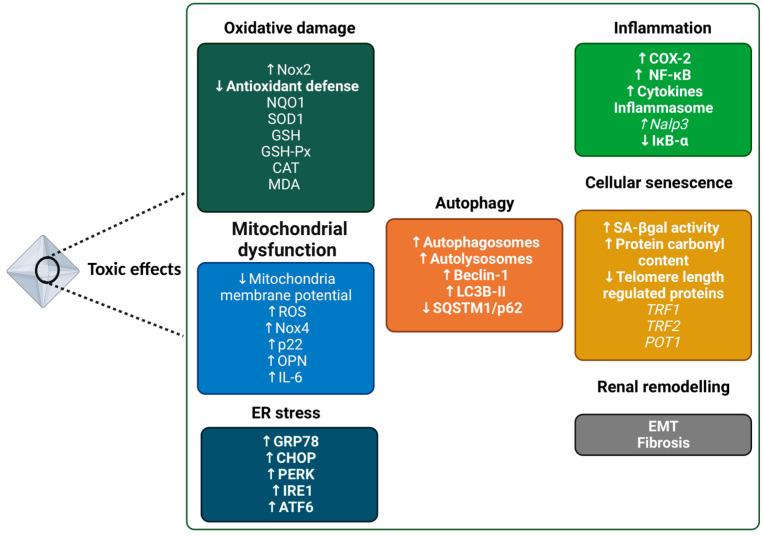
Oxalate is a metabolic end-product whose systemic concentrations are highly variable among individuals. Genetic (primary hyperoxaluria) and non-genetic (e.g., diet, microbiota, renal and metabolic disease) reasons underlie elevated plasma concentrations and tissue accumulation of oxalate, which is toxic to the body. A classic example is the triad of primary hyperoxaluria, nephrolithiasis, and kidney injury. Lessons learned from this example suggest further investigation of other putative factors associated with oxalate dysmetabolism, namely the identification of precursors (glyoxylate, aromatic amino acids, glyoxal and vitamin C), the regulation of the endogenous pathways that produce oxalate, or the microbiota's contribution to oxalate systemic availability. The association between secondary nephrolithiasis and cardiovascular and metabolic diseases (hypertension, type 2 diabetes, and obesity) inspired the authors to perform this comprehensive review about oxalate dysmetabolism and its relation to cardiometabolic toxicity. This perspective may offer something substantial that helps advance understanding of effective management and draws attention to the novel class of treatments available in clinical practice.
草酸盐是一种代谢终产物,其在个体中的系统浓度差异很大。遗传(原发性高草酸尿症)和非遗传(例如饮食、微生物群、肾脏和代谢疾病)原因导致血浆草酸盐浓度升高和组织蓄积,草酸盐对身体有毒。原发性高草酸尿症、肾结石和肾损伤三联征就是一个典型的例子。从这个例子中吸取的教训表明,需要进一步研究与草酸盐代谢紊乱相关的其他假定因素,即鉴定前体(乙醛酸、芳香族氨基酸、乙醛酸和维生素 C)、调节产生草酸盐的内源性途径,或微生物组对草酸盐全身可用性的贡献。继发性肾结石与心血管和代谢疾病(高血压、2 型糖尿病和肥胖症)之间的关联促使作者对草酸盐代谢紊乱及其与心脏代谢毒性的关系进行了全面综述。这种观点可能提供了一些实质性的内容,有助于深入了解有效的管理方法,并引起人们对临床实践中可用的新型治疗方法的关注。

 Zotero 插件