
靶向纳米颗粒的创新设计:用于增强癌症治疗的聚合物-药物缀合物
Innovative Design of Targeted Nanoparticles: Polymer-Drug Conjugates for Enhanced Cancer Therapy.
作者信息
Junyaprasert Varaporn Buraphacheep, Thummarati Parichart
机构信息
Department of Pharmacy, Faculty of Pharmacy, Mahidol University, 447 Sri-Ayutthaya, Rajathavee, Bangkok 10400, Thailand.
出版信息
Pharmaceutics. 2023 Aug 27;15(9):2216. doi: 10.3390/pharmaceutics15092216.
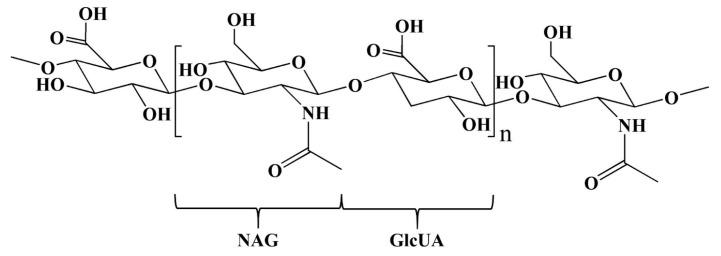
Polymer-drug conjugates (PDCs) have shown great promise in enhancing the efficacy and safety of cancer therapy. These conjugates combine the advantageous properties of both polymers and drugs, leading to improved pharmacokinetics, controlled drug release, and targeted delivery to tumor tissues. This review provides a comprehensive overview of recent developments in PDCs for cancer therapy. First, various types of polymers used in these conjugates are discussed, including synthetic polymers, such as poly(-caprolactone) (PCL), D-α-tocopheryl polyethylene glycol (TPGS), and polyethylene glycol (PEG), as well as natural polymers such as hyaluronic acid (HA). The choice of polymer is crucial to achieving desired properties, such as stability, biocompatibility, and controlled drug release. Subsequently, the strategies for conjugating drugs to polymers are explored, including covalent bonding, which enables a stable linkage between the polymer and the drug, ensuring controlled release and minimizing premature drug release. The use of polymers can extend the circulation time of the drug, facilitating enhanced accumulation within tumor tissues through the enhanced permeability and retention (EPR) effect. This, in turn, results in improved drug efficacy and reduced systemic toxicity. Moreover, the importance of tumor-targeting ligands in PDCs is highlighted. Various ligands, such as antibodies, peptides, aptamers, folic acid, herceptin, and HA, can be incorporated into conjugates to selectively deliver the drug to tumor cells, reducing off-target effects and improving therapeutic outcomes. In conclusion, PDCs have emerged as a versatile and effective approach to cancer therapy. Their ability to combine the advantages of polymers and drugs offers enhanced drug delivery, controlled release, and targeted treatment, thereby improving the overall efficacy and safety of cancer therapies. Further research and development in this field has great potential to advance personalized cancer treatment options.
聚合物 - 药物偶联物(PDCs)在提高癌症治疗的疗效和安全性方面显示出巨大的潜力。这些偶联物结合了聚合物和药物的优势特性,从而改善了药代动力学、实现了药物的控释,并能将药物靶向递送至肿瘤组织。本综述全面概述了用于癌症治疗的PDCs的最新进展。首先,讨论了这些偶联物中使用的各种类型的聚合物,包括合成聚合物,如聚(ε-己内酯)(PCL)、D-α-生育酚聚乙二醇(TPGS)和聚乙二醇(PEG),以及天然聚合物,如透明质酸(HA)。聚合物的选择对于实现所需的特性,如稳定性、生物相容性和药物控释至关重要。随后,探讨了将药物与聚合物偶联的策略,包括共价键合,它能使聚合物与药物之间形成稳定的连接,确保药物的控释并最大限度地减少药物的过早释放。聚合物的使用可以延长药物的循环时间,通过增强的渗透和滞留(EPR)效应促进药物在肿瘤组织内的积累增加。这反过来又提高了药物疗效并降低了全身毒性。此外,还强调了肿瘤靶向配体在PDCs中的重要性。各种配体,如抗体、肽、适体、叶酸、赫赛汀和HA,可以被纳入偶联物中,以选择性地将药物递送至肿瘤细胞,减少脱靶效应并改善治疗效果。总之,PDCs已成为一种通用且有效的癌症治疗方法。它们结合聚合物和药物优势的能力提供了增强的药物递送、控释和靶向治疗,从而提高了癌症治疗的整体疗效和安全性。该领域的进一步研究和开发在推进个性化癌症治疗方案方面具有巨大潜力。






 Zotero 插件