
赖氨酸特异性去甲基化酶1抑制剂:利用计算机辅助药物设计技术的综合综述
Lysine-Specific Demethylase 1 Inhibitors: A Comprehensive Review Utilizing Computer-Aided Drug Design Technologies.
作者信息
Han Di, Lu Jiarui, Fan Baoyi, Lu Wenfeng, Xue Yiwei, Wang Meiting, Liu Taigang, Cui Shaoli, Gao Qinghe, Duan Yingchao, Xu Yongtao
机构信息
School of Medical Engineering, Xinxiang Medical University, Xinxiang 453003, China.
Henan International Joint Laboratory of Neural Information Analysis and Drug Intelligent Design, Xinxiang 453003, China.
出版信息
Molecules. 2024 Jan 22;29(2):550. doi: 10.3390/molecules29020550.
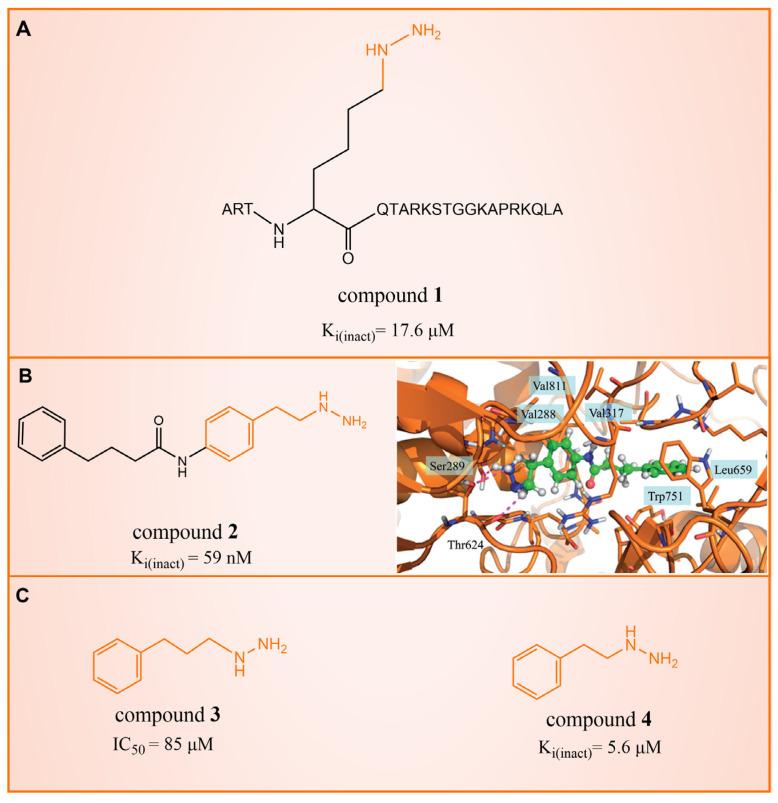
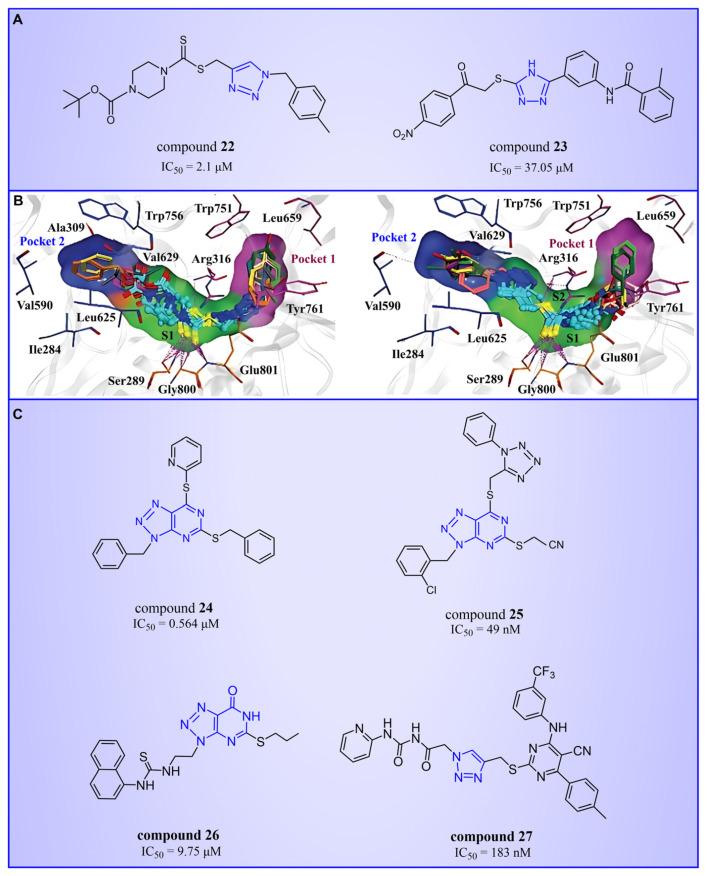
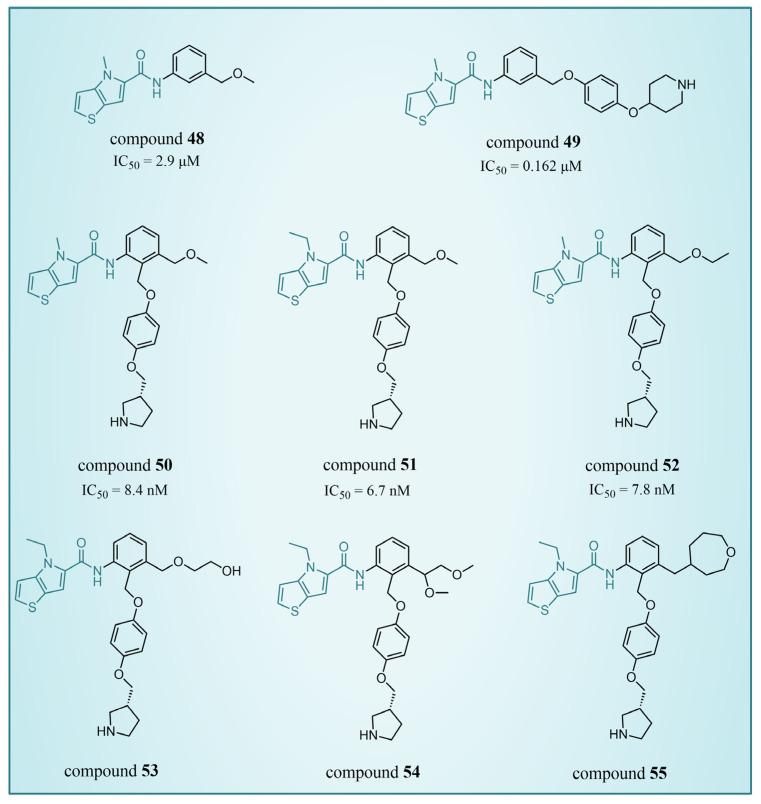
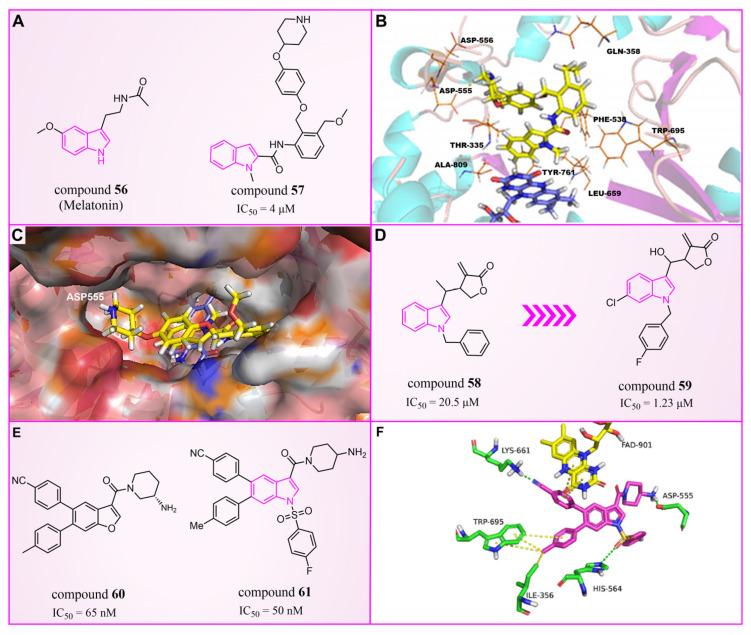
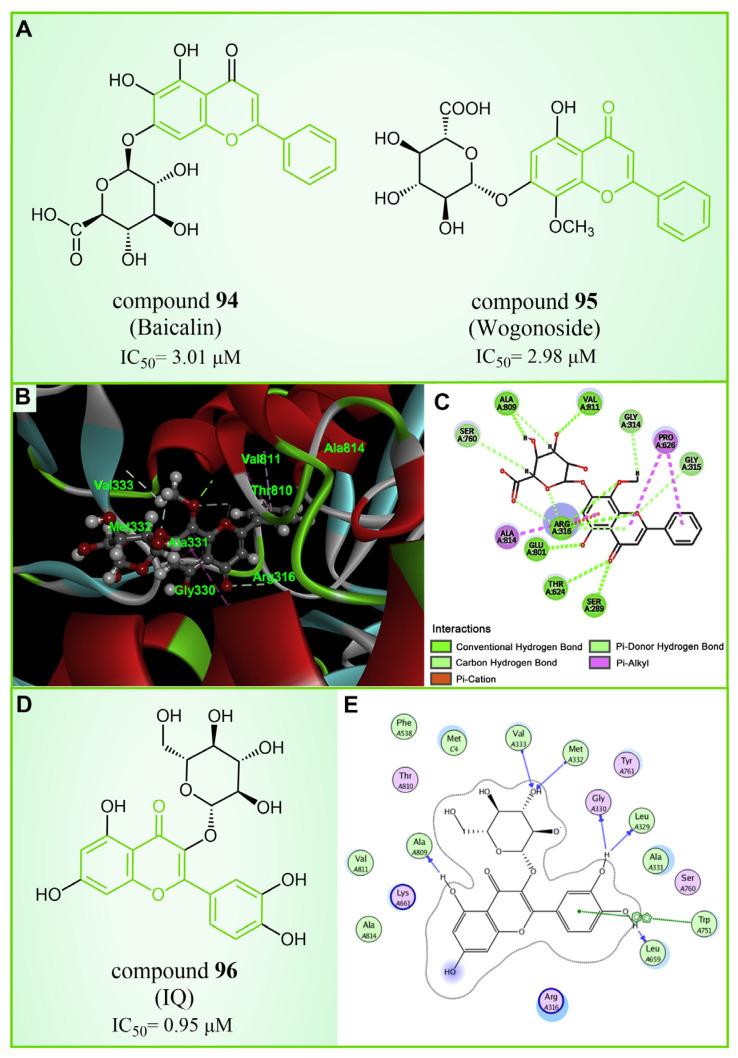
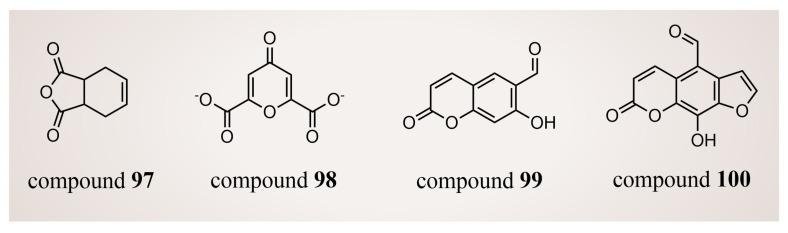
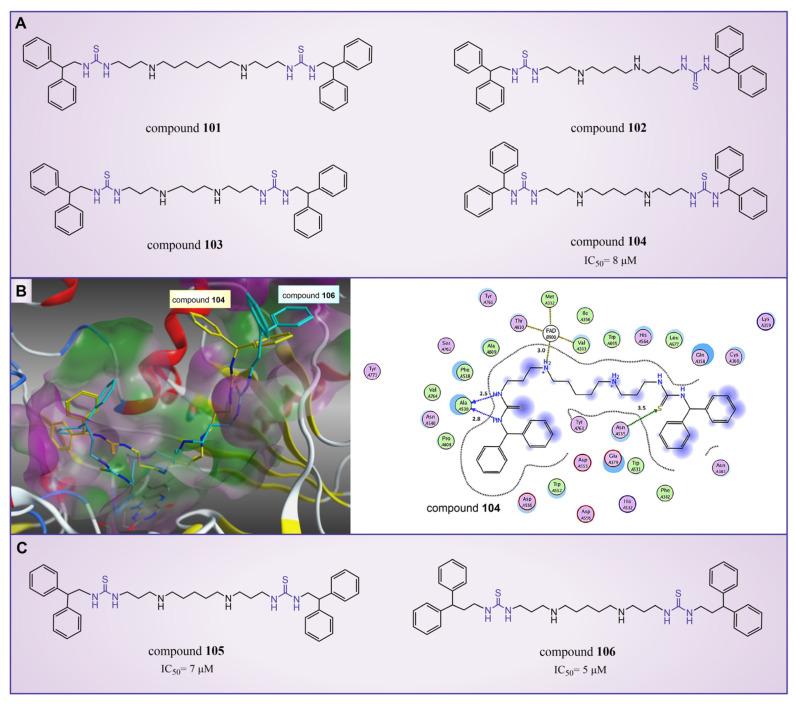
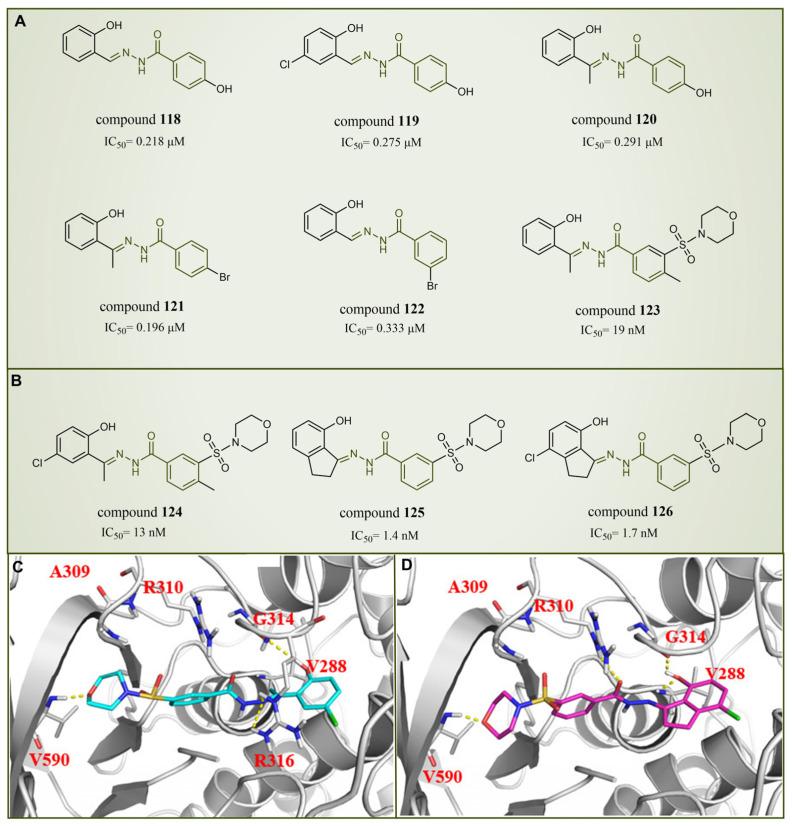
Lysine-specific demethylase 1 (LSD1/KDM1A) has emerged as a promising therapeutic target for treating various cancers (such as breast cancer, liver cancer, etc.) and other diseases (blood diseases, cardiovascular diseases, etc.), owing to its observed overexpression, thereby presenting significant opportunities in drug development. Since its discovery in 2004, extensive research has been conducted on LSD1 inhibitors, with notable contributions from computational approaches. This review systematically summarizes LSD1 inhibitors investigated through computer-aided drug design (CADD) technologies since 2010, showcasing a diverse range of chemical scaffolds, including phenelzine derivatives, tranylcypromine (abbreviated as TCP or 2-PCPA) derivatives, nitrogen-containing heterocyclic (pyridine, pyrimidine, azole, thieno[3,2-b]pyrrole, indole, quinoline and benzoxazole) derivatives, natural products (including sanguinarine, phenolic compounds and resveratrol derivatives, flavonoids and other natural products) and others (including thiourea compounds, Fenoldopam and Raloxifene, (4-cyanophenyl)glycine derivatives, propargylamine and benzohydrazide derivatives and inhibitors discovered through AI techniques). Computational techniques, such as virtual screening, molecular docking and 3D-QSAR models, have played a pivotal role in elucidating the interactions between these inhibitors and LSD1. Moreover, the integration of cutting-edge technologies such as artificial intelligence holds promise in facilitating the discovery of novel LSD1 inhibitors. The comprehensive insights presented in this review aim to provide valuable information for advancing further research on LSD1 inhibitors.
赖氨酸特异性去甲基化酶1(LSD1/KDM1A)已成为治疗多种癌症(如乳腺癌、肝癌等)和其他疾病(血液疾病、心血管疾病等)的一个有前景的治疗靶点,因为观察到它有过表达现象,从而在药物开发方面呈现出重大机遇。自2004年被发现以来,针对LSD1抑制剂开展了广泛研究,计算方法也做出了显著贡献。本综述系统总结了自2010年以来通过计算机辅助药物设计(CADD)技术研究的LSD1抑制剂,展示了多种化学骨架,包括苯乙肼衍生物、反苯环丙胺(简称为TCP或2-PCPA)衍生物、含氮杂环(吡啶、嘧啶、唑、噻吩并[3,2-b]吡咯、吲哚、喹啉和苯并恶唑)衍生物、天然产物(包括血根碱、酚类化合物和白藜芦醇衍生物、黄酮类化合物及其他天然产物)以及其他(包括硫脲化合物、非诺多泮和雷洛昔芬、(4-氰基苯基)甘氨酸衍生物、炔丙胺和苯甲酰肼衍生物以及通过人工智能技术发现的抑制剂)。虚拟筛选、分子对接和3D-QSAR模型等计算技术在阐明这些抑制剂与LSD1之间的相互作用方面发挥了关键作用。此外,人工智能等前沿技术的整合有望促进新型LSD1抑制剂的发现。本综述所呈现的全面见解旨在为推进LSD1抑制剂的进一步研究提供有价值的信息。











 Zotero 插件