
局部浸润麻醉与股神经阻滞在缓解全膝关节置换术后伤口疼痛中的镇痛效果:系统评价和荟萃分析。
Analgesic efficacy of local infiltration anaesthesia versus femoral nerve block in alleviating postoperative wound pain following total knee arthroplasty: A systematic review and meta-analysis.
机构信息
Department of Anesthesiology, Hebei General Hospital, Shijiazhuang, Hebei Province, China.
出版信息
Int Wound J. 2024 Feb;21(2):e14766. doi: 10.1111/iwj.14766.
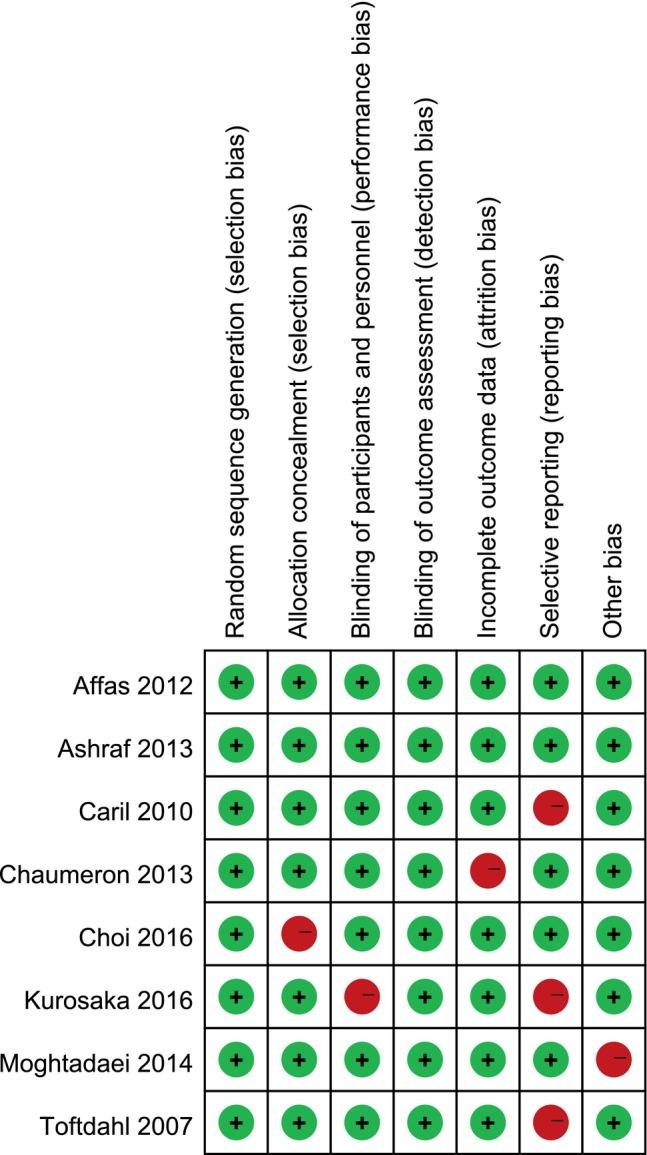
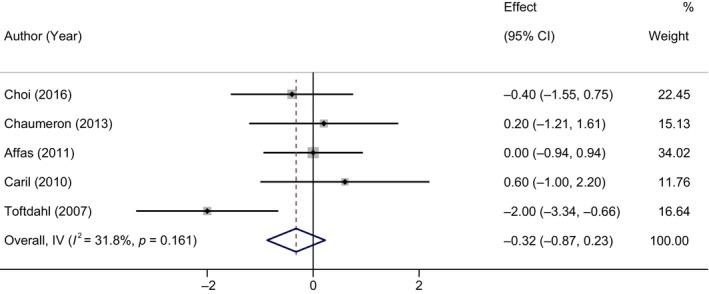
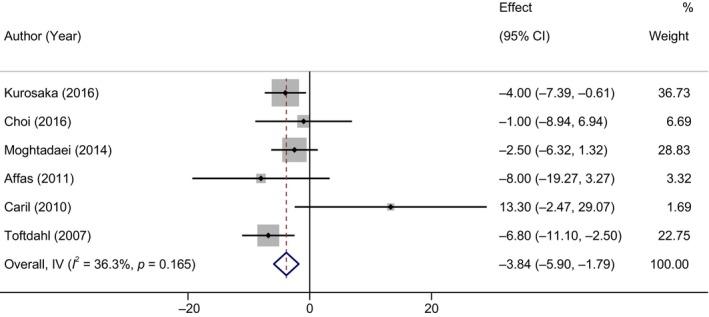
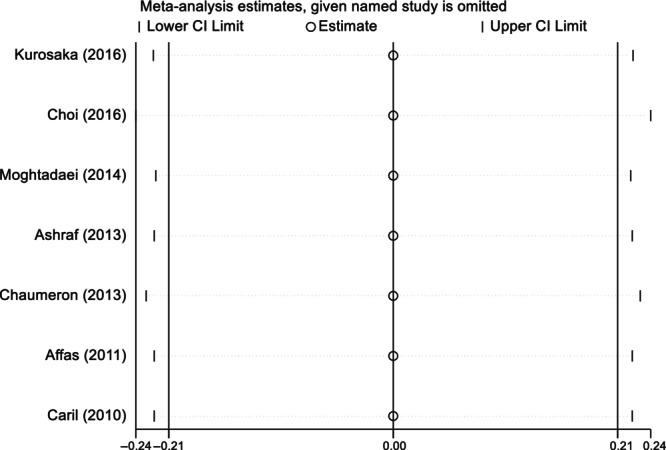
Total knee arthroplasty (TKA) often involves significant postoperative pain, necessitating effective analgesia. This meta-analysis compares the analgesic efficacy of local infiltration anaesthesia (LIA) and femoral nerve block (FNB) in managing postoperative wound pain following TKA. Adhering to Preferred Reporting Items for Systematic Reviews and Meta-Analyses (PRISMA) guidelines, this meta-analysis was structured around the PICO framework, assessing studies that directly compared LIA and FNB in TKA patients. A comprehensive search across PubMed, Embase, Web of Science and the Cochrane Library was conducted without time restrictions. Studies were included based on specific criteria such as participant demographics, study design and outcomes like pain scores and opioid consumption. Quality assessment utilized the Cochrane Collaboration's risk of bias tool. The statistical approach was determined based on heterogeneity, with the choice of fixed- or random-effects models guided by the I statistic. Sensitivity analysis and evaluation of publication bias using funnel plots and Egger's linear regression test were also conducted. From an initial pool of 1275 articles, eight studies met the inclusion criteria. These studies conducted in various countries from 2007 to 2016. The meta-analysis showed no significant difference in resting and movement-related Visual Analogue Scale scores post-TKA between the LIA and FNB groups. However, LIA was associated with significantly lower opioid consumption. The quality assessment revealed a low risk of bias in most studies, and the sensitivity analysis confirmed the stability of these findings. There was no significant publication bias detected. Both LIA and FNB are effective in controlling postoperative pain in TKA patients, but LIA offers the advantage of lower opioid consumption. Its simplicity, cost-effectiveness and opioid-sparing nature make LIA the recommended choice for postoperative analgesia in knee replacement surgeries.
全膝关节置换术(TKA)常伴有明显的术后疼痛,需要有效的镇痛。本荟萃分析比较了局部浸润麻醉(LIA)和股神经阻滞(FNB)在 TKA 术后管理伤口疼痛的镇痛效果。本荟萃分析遵循系统评价和荟萃分析的首选报告项目(PRISMA)指南,围绕 PICO 框架构建,评估了直接比较 LIA 和 FNB 在 TKA 患者中的研究。在没有时间限制的情况下,全面检索了 PubMed、Embase、Web of Science 和 Cochrane Library。根据参与者人口统计学、研究设计和疼痛评分、阿片类药物消耗等结果,纳入了符合特定标准的研究。质量评估采用 Cochrane 协作风险偏倚工具。根据异质性确定了统计方法,选择固定或随机效应模型的依据是 I 统计量。还进行了敏感性分析和使用漏斗图和 Egger 线性回归检验评估发表偏倚。从最初的 1275 篇文章中,有 8 篇研究符合纳入标准。这些研究于 2007 年至 2016 年在不同国家进行。荟萃分析显示,TKA 后 LIA 和 FNB 组在静息和运动相关视觉模拟量表评分方面无显著差异。然而,LIA 与阿片类药物消耗显著降低相关。质量评估显示,大多数研究的偏倚风险较低,敏感性分析证实了这些发现的稳定性。未发现显著的发表偏倚。LIA 和 FNB 均可有效控制 TKA 患者的术后疼痛,但 LIA 具有降低阿片类药物消耗的优势。其简单性、成本效益和阿片类药物节约特性使其成为膝关节置换术后镇痛的推荐选择。



 Zotero 插件