
变革癌症治疗:在免疫治疗新时代释放病毒疫苗、单克隆抗体和蛋白酶靶向嵌合体的力量。
Revolutionizing Cancer Treatment: Unleashing the Power of Viral Vaccines, Monoclonal Antibodies, and Proteolysis-Targeting Chimeras in the New Era of Immunotherapy.
作者信息
Mohite Popat, Yadav Vaishnavi, Pandhare Ramdas, Maitra Swastika, Saleh Fayez M, Saleem Rasha Mohammed, Al-Malky Hamdan S, Kumarasamy Vinoth, Subramaniyan Vetriselvan, Abdel-Daim Mohamed M, Uti Daniel E
机构信息
AETs St. John Institute of Pharmacy and Research, Palghar, Maharashtra 401404, India.
MESs College of Pharmacy, Sonai Tal-Newasa, Maharashtra 414105, India.
出版信息
ACS Omega. 2024 Feb 5;9(7):7277-7295. doi: 10.1021/acsomega.3c06501. eCollection 2024 Feb 20.
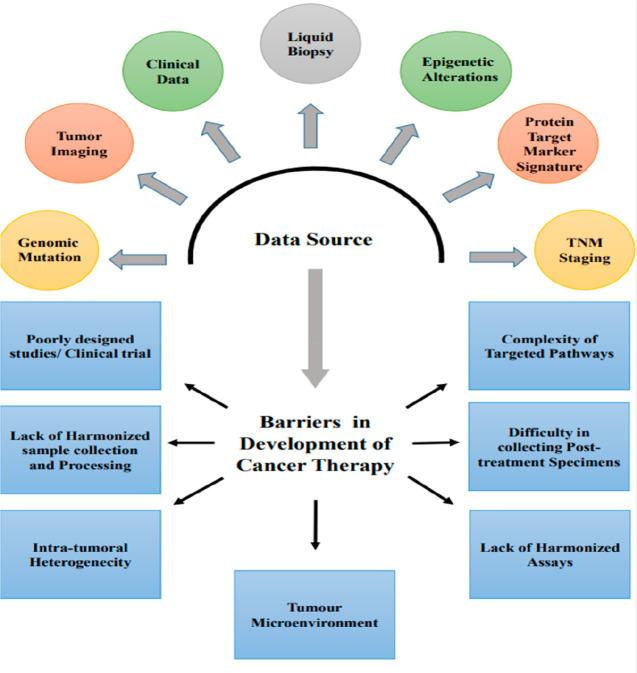
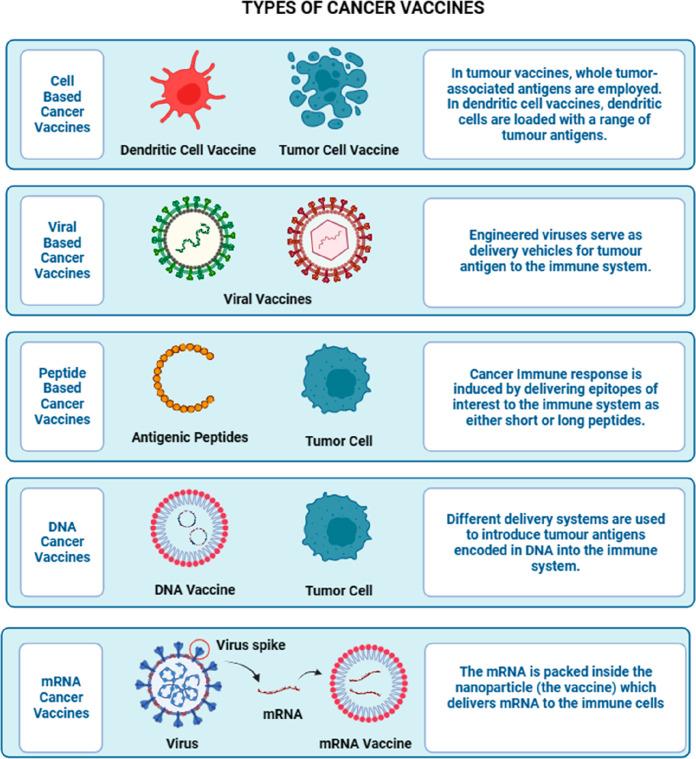
In the realm of cancer immunotherapy, a profound evolution has ushered in sophisticated strategies that encompass both traditional cancer vaccines and emerging viral vaccines. This comprehensive Review offers an in-depth exploration of the methodologies, clinical applications, success stories, and future prospects of these approaches. Traditional cancer vaccines have undergone significant advancements utilizing diverse modalities such as proteins, peptides, and dendritic cells. More recent innovations have focused on the physiological mechanisms enabling the human body to recognize and combat precancerous and malignant cells, introducing specific markers like peptide-based anticancer vaccines targeting tumor-associated antigens. Moreover, cancer viral vaccines, leveraging engineered viruses to stimulate immune responses against specific antigens, exhibit substantial promise in inducing robust and enduring immunity. Integration with complementary therapeutic methods, including monoclonal antibodies, adjuvants, and radiation therapy, has not only improved survival rates but also deepened our understanding of viral virulence. Recent strides in vaccine design, encompassing oncolytic viruses, virus-like particles, and viral vectors, mark the frontier of innovation. While these advances hold immense potential, critical challenges must be addressed, such as strategies for immune evasion, potential off-target effects, and the optimization of viral genomes. In the landscape of immunotherapy, noteworthy innovations take the spotlight from the use of immunomodulatory agents for the enhancement of innate and adaptive immune collaboration. The emergence of proteolysis-targeting chimeras (PROTACs) as precision tools for cancer therapy is particularly exciting. With a focus on various cancers, from melanoma to formidable solid tumors, this Review critically assesses types of cancer vaccines, mechanisms, barriers in vaccine therapy, vaccine efficacy, safety profiles, and immune-related adverse events, providing a nuanced perspective on the underlying mechanisms involving cytotoxic T cells, natural killer cells, and dendritic cells. The Review also underscores the transformative potential of cutting-edge technologies such as clinical studies, molecular sequencing, and artificial intelligence in advancing the field of cancer vaccines. These tools not only expedite progress but also emphasize the multidimensional and rapidly evolving nature of this research, affirming its profound significance in the broader context of cancer therapy.
在癌症免疫治疗领域,一场意义深远的变革带来了复杂的策略,涵盖传统癌症疫苗和新兴病毒疫苗。本全面综述深入探讨了这些方法的原理、临床应用、成功案例及未来前景。传统癌症疫苗利用蛋白质、肽和树突状细胞等多种方式取得了重大进展。最近的创新聚焦于人体识别和对抗癌前及恶性细胞的生理机制,引入了如基于肽的抗癌疫苗等针对肿瘤相关抗原的特定标志物。此外,癌症病毒疫苗利用工程病毒刺激针对特定抗原的免疫反应,在诱导强大而持久的免疫方面展现出巨大潜力。与单克隆抗体、佐剂和放射治疗等互补治疗方法的结合,不仅提高了生存率,还加深了我们对病毒毒力的理解。疫苗设计的最新进展,包括溶瘤病毒、病毒样颗粒和病毒载体,标志着创新前沿。尽管这些进展具有巨大潜力,但必须应对关键挑战,如免疫逃逸策略、潜在的脱靶效应以及病毒基因组的优化。在免疫治疗领域,值得注意的创新来自于使用免疫调节剂增强固有免疫和适应性免疫协作。蛋白水解靶向嵌合体(PROTACs)作为癌症治疗的精准工具的出现尤其令人兴奋。本综述聚焦于从黑色素瘤到难治性实体瘤等各种癌症,批判性地评估了癌症疫苗的类型、机制、疫苗治疗中的障碍、疫苗疗效、安全性概况以及免疫相关不良事件,提供了关于涉及细胞毒性T细胞、自然杀伤细胞和树突状细胞的潜在机制的细致观点。该综述还强调了临床研究、分子测序和人工智能等前沿技术在推进癌症疫苗领域方面的变革潜力。这些工具不仅加快了进展,还强调了这项研究的多维度和快速发展的性质,肯定了其在更广泛癌症治疗背景下的深远意义。


 Zotero 插件