
纳米塑料通过 Ca/mtDNA/cGAS-STING 信号级联引起心脏衰老/心肌细胞衰老。
Nanoplastics causes heart aging/myocardial cell senescence through the Ca/mtDNA/cGAS-STING signaling cascade.
机构信息
Department of Cardiology, The First Affiliated Hospital of Guangzhou Medical University, Guangzhou, China.
出版信息
J Nanobiotechnology. 2024 Mar 6;22(1):96. doi: 10.1186/s12951-024-02375-x.
BACKGROUND
Nanoplastics (NPs) are now a new class of pollutants widely present in the soil, atmosphere, freshwater and marine environments. Nanoplastics can rapidly penetrate cell membranes and accumulate in human tissues and organs, thus posing a potential threat to human health. The heart is the main power source of the body. But up to now, the toxicological effects of long-term exposure to nanoplastics on the heart has not been revealed yet.
RESULTS
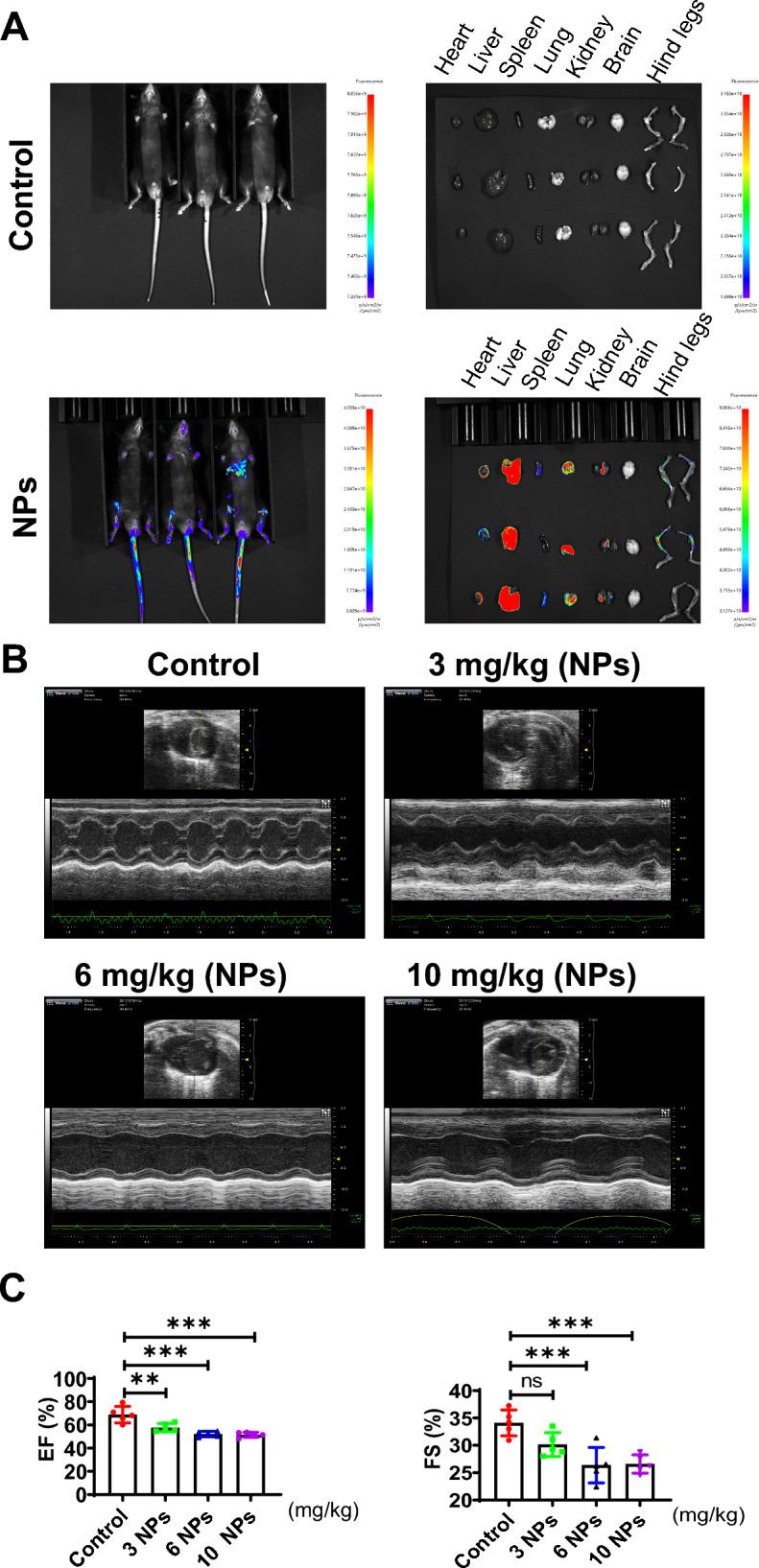
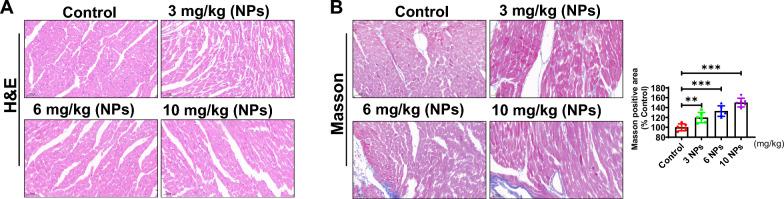
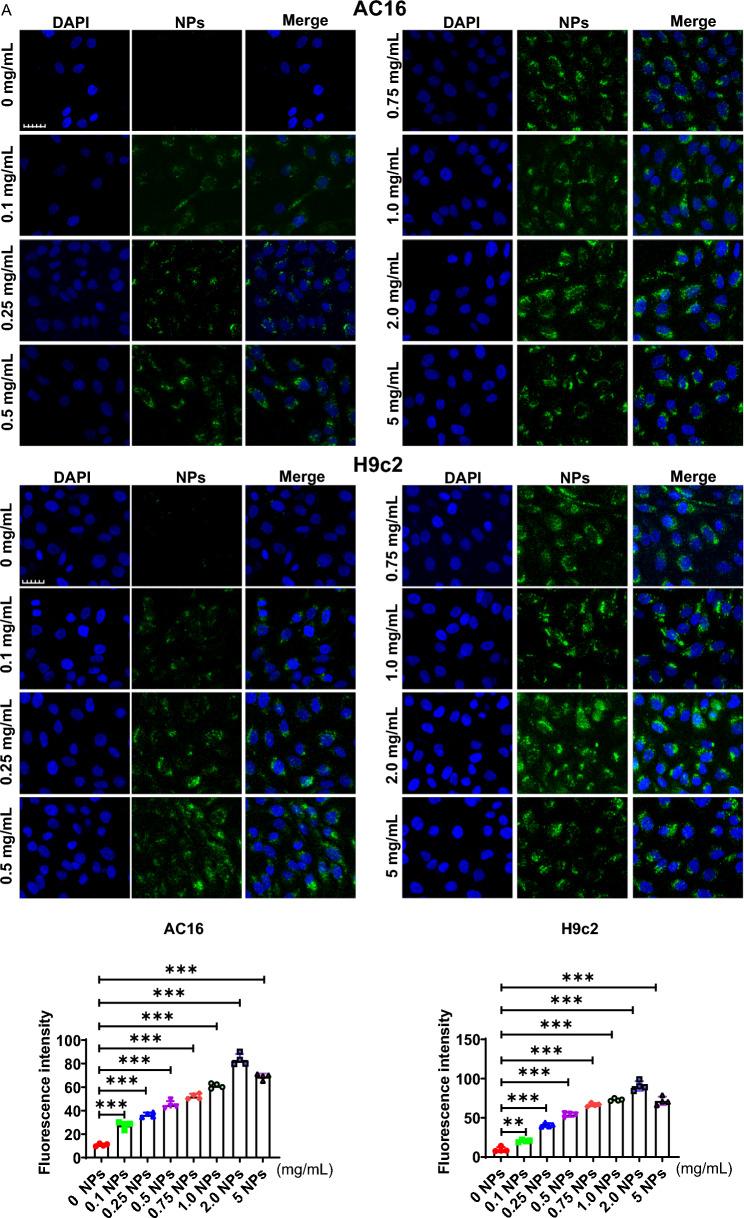
We evaluated the effects of long term exposure of nanoplastics on cardiac cell/tissue in vitro and in vivo model. Furthermore, we explored the molecular mechanism by which nanoplastics exposure causes myocardial cell senescence. Immunohistochemistry, indirect immunofluorescence and ELISA were performed to detect the effects of nanoplastics on heart aging. We found that nanoplastics were able to induce significant cardiac aging through a series of biochemical assays in vivo. In vitro, the effects of nanoplastics on cardiac cell were investigated, and found that nanoplastics were able to internalize into cardiomyocytes in time and dose-dependant manner. Further biochemical analysis showed that nanoplastics induces cardiomyocytes senescence by detecting a series of senescence marker molecules. Molecular mechanism research shows that nanoplastics may cause mitochondrial destabilization by inducing oxidative stress, which leads to the leakage of mtDNA from mitochondria into the cytoplasm, and then cytoplasm-localized mt-DNA activates the cGAS-STING signaling pathway and promotes inflammation response, ultimately inducing cardiomyocytes senescence.
CONCLUSIONS
In this work, we found that nanoplastics exposure induces premature aging of heart. Current research also reveals the molecular mechanism by which nanoplastics induces cardiomyocyte senescence. This study laid the foundation for further studying the potential harm of nanoplastics exposure on heart.
背景
纳米塑料(NPs)现已成为一种新型污染物,广泛存在于土壤、大气、淡水和海洋环境中。纳米塑料可以迅速穿透细胞膜,并在人体组织和器官中积累,从而对人类健康构成潜在威胁。心脏是人体的主要动力源。但到目前为止,纳米塑料长期暴露对心脏的毒理学影响尚未揭示。
结果
我们评估了纳米塑料对体外和体内模型中心脏细胞/组织的长期暴露的影响。此外,我们还探讨了纳米塑料暴露导致心肌细胞衰老的分子机制。通过免疫组织化学、间接免疫荧光和 ELISA 检测纳米塑料对心脏衰老的影响。我们发现纳米塑料能够通过一系列体内生化测定诱导显著的心脏衰老。在体外,研究了纳米塑料对心脏细胞的影响,发现纳米塑料能够以时间和剂量依赖的方式进入心肌细胞。进一步的生化分析表明,纳米塑料通过检测一系列衰老标志物分子诱导心肌细胞衰老。分子机制研究表明,纳米塑料可能通过诱导氧化应激导致线粒体不稳定,从而导致 mtDNA 从线粒体泄漏到细胞质,然后细胞质定位的 mt-DNA 激活 cGAS-STING 信号通路并促进炎症反应,最终诱导心肌细胞衰老。
结论
在这项工作中,我们发现纳米塑料暴露会导致心脏提前衰老。目前的研究还揭示了纳米塑料诱导心肌细胞衰老的分子机制。这项研究为进一步研究纳米塑料暴露对心脏的潜在危害奠定了基础。





 Zotero 插件