
皮肤自发荧光作为 2 型糖尿病心血管风险评估的潜在辅助标志物:系统评价。
Skin Autofluorescence as a Potential Adjunctive Marker for Cardiovascular Risk Assessment in Type 2 Diabetes: A Systematic Review.
机构信息
Doctoral School of Medicine and Pharmacy, "Victor Babes" University of Medicine and Pharmacy, 300041 Timisoara, Romania.
Centre for Molecular Research in Nephrology and Vascular Disease, "Victor Babes" University of Medicine and Pharmacy, 300041 Timisoara, Romania.
出版信息
Int J Mol Sci. 2024 Mar 31;25(7):3889. doi: 10.3390/ijms25073889.
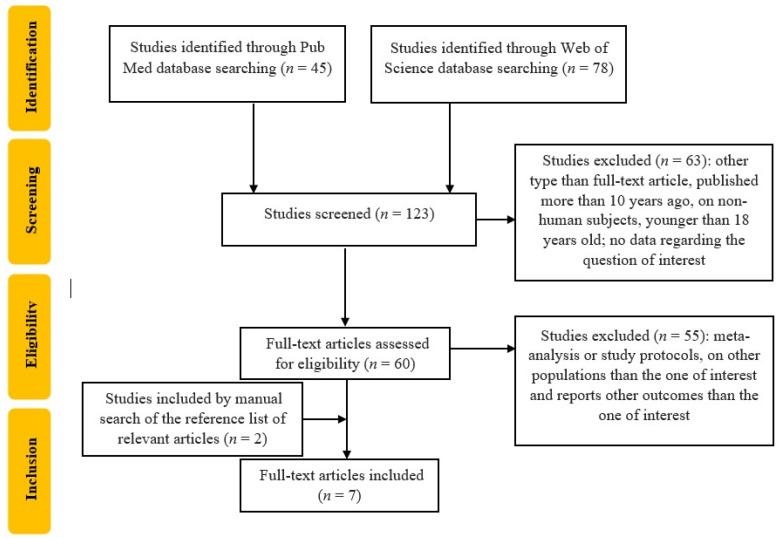
Diabetes mellitus (DM), due to its long-term hyperglycemia, leads to the accumulation of advanced glycation end-products (AGEs), especially in the vessel walls. Skin autofluorescence (SAF) is a non-invasive tool that measures AGEs. DM patients have a rich dietary source in AGEs, associated with high oxidative stress and long-term inflammation. AGEs represent a cardiovascular (CV) risk factor, and they are linked with CV events. Our objective was to assess whether SAF predicts future CV events (CVE) by examining its association with other CV risk factors in patients with type 2 DM (T2DM). Additionally, we assessed the strengths and limitations of SAF as a predictive tool for CVE. Following the Preferred Reporting Items for Systematic Reviews and Meta-Analyses methodology, we conducted a systematic review with CRD42024507397 protocol, focused on AGEs, T2DM, SAF, and CV risk. We identified seven studies from 2014 to 2024 that predominantly used the AGE Reader Diagnostic Optic tool. The collective number of patients involved is 8934, with an average age of 63. So, SAF is a valuable, non-invasive marker for evaluating CV risk in T2DM patients. It stands out as a CV risk factor associated independently with CVE. SAF levels are influenced by prolonged hyperglycemia, lifestyle, aging, and other chronic diseases such as depression, and it can be used as a predictive tool for CVE.
糖尿病(DM)由于长期高血糖,导致晚期糖基化终产物(AGEs)的积累,特别是在血管壁中。皮肤自发荧光(SAF)是一种非侵入性工具,可测量 AGEs。DM 患者的 AGEs 饮食来源丰富,与高氧化应激和长期炎症有关。AGEs 是心血管(CV)危险因素,与 CV 事件有关。我们的目的是通过检查 SAF 与 2 型糖尿病(T2DM)患者其他 CV 危险因素的关系,评估其是否可以预测未来的 CV 事件(CVE)。此外,我们评估了 SAF 作为 CVE 预测工具的优缺点。我们按照系统评价和荟萃分析的首选报告项目(PRISMA)方法进行了系统评价,并使用 CRD42024507397 方案,重点关注 AGEs、T2DM、SAF 和 CV 风险。我们从 2014 年至 2024 年确定了七项研究,这些研究主要使用了 AGE Reader 诊断光学工具。总共涉及 8934 名患者,平均年龄为 63 岁。因此,SAF 是评估 T2DM 患者 CV 风险的一种有价值的、非侵入性标志物。它是一种与 CVE 独立相关的 CV 危险因素。SAF 水平受长期高血糖、生活方式、衰老和其他慢性疾病(如抑郁症)的影响,可用于预测 CVE。
 Zotero 插件