
结直肠癌:流行病学、风险因素与预防
Colorectal Cancer: Epidemiology, Risk Factors, and Prevention.
作者信息
Roshandel Gholamreza, Ghasemi-Kebria Fatemeh, Malekzadeh Reza
机构信息
Golestan Research Center of Gastroenterology and Hepatology, Golestan University of Medical Sciences, Gorgan 49178-67439, Iran.
Digestive Oncology Research Center, Digestive Diseases Research Institute, Tehran University of Medical Sciences, Tehran 14117-13135, Iran.
出版信息
Cancers (Basel). 2024 Apr 17;16(8):1530. doi: 10.3390/cancers16081530.
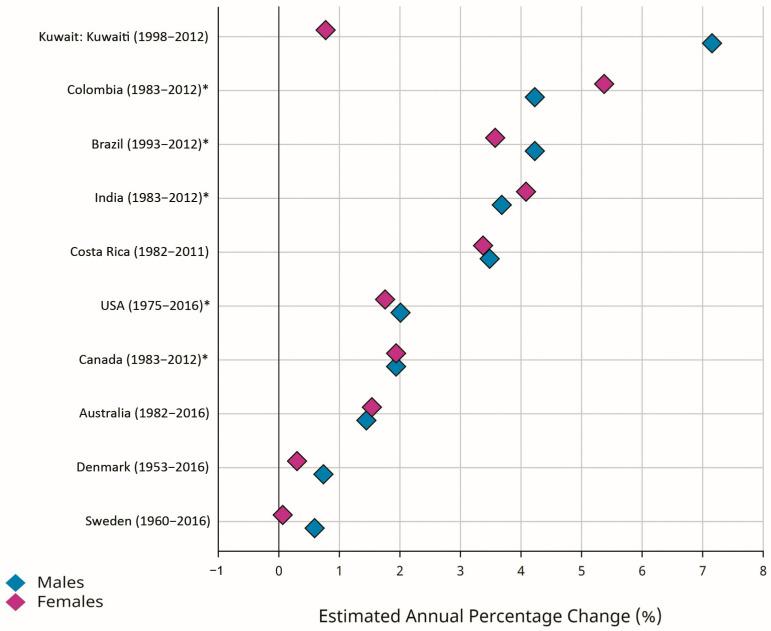
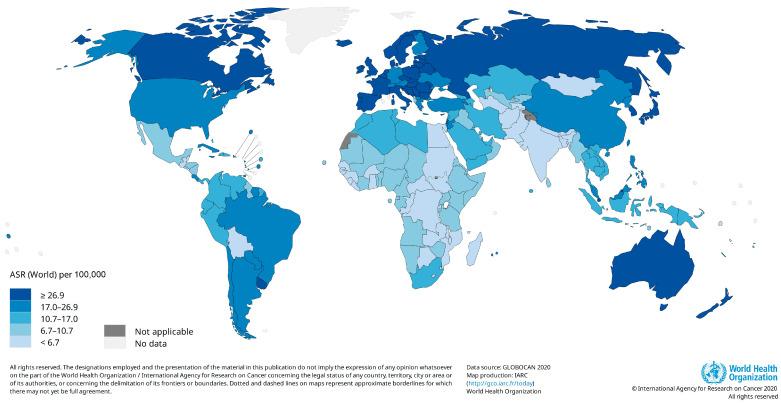
Colorectal cancer (CRC) is the third most common cancer and the second most common cause of cancer mortality worldwide. There are disparities in the epidemiology of CRC across different populations, most probably due to differences in exposure to lifestyle and environmental factors related to CRC. Prevention is the most effective method for controlling CRC. Primary prevention includes determining and avoiding modifiable risk factors (e.g., alcohol consumption, smoking, and dietary factors) as well as increasing protective factors (e.g., physical activity, aspirin). Further studies, especially randomized, controlled trials, are needed to clarify the association between CRC incidence and exposure to different risk factors or protective factors. Detection and removal of precancerous colorectal lesions is also an effective strategy for controlling CRC. Multiple factors, both at the individual and community levels (e.g., patient preferences, availability of screening modalities, costs, benefits, and adverse events), should be taken into account in designing and implementing CRC screening programs. Health policymakers should consider the best decision in identifying the starting age and selection of the most effective screening strategies for the target population. This review aims to present updated evidence on the epidemiology, risk factors, and prevention of CRC.
结直肠癌(CRC)是全球第三大常见癌症,也是第二大常见的癌症死亡原因。不同人群的结直肠癌流行病学存在差异,这很可能是由于与结直肠癌相关的生活方式和环境因素暴露不同所致。预防是控制结直肠癌最有效的方法。一级预防包括确定并避免可改变的风险因素(如饮酒、吸烟和饮食因素)以及增加保护因素(如体育锻炼、阿司匹林)。需要进一步的研究,尤其是随机对照试验,以阐明结直肠癌发病率与接触不同风险因素或保护因素之间的关联。检测并切除结直肠癌前病变也是控制结直肠癌的有效策略。在设计和实施结直肠癌筛查项目时,应考虑个体和社区层面的多个因素(如患者偏好、筛查方式的可及性、成本、益处和不良事件)。卫生政策制定者在确定起始年龄和为目标人群选择最有效的筛查策略时应考虑最佳决策。本综述旨在提供关于结直肠癌流行病学、风险因素和预防的最新证据。

 Zotero 插件