
噬菌体尾丝的功能结构域。
Functional domains of bacteriophage tail fibers.
作者信息
Peters Danielle L, Gaudreault Francis, Chen Wangxue
机构信息
Human Health Therapeutics (HHT) Research Center, National Research Council Canada, Ottawa, ON, Canada.
HHT Research Center, NRC, Montreal, QC, Canada.
出版信息
Front Microbiol. 2024 Apr 16;15:1230997. doi: 10.3389/fmicb.2024.1230997. eCollection 2024.
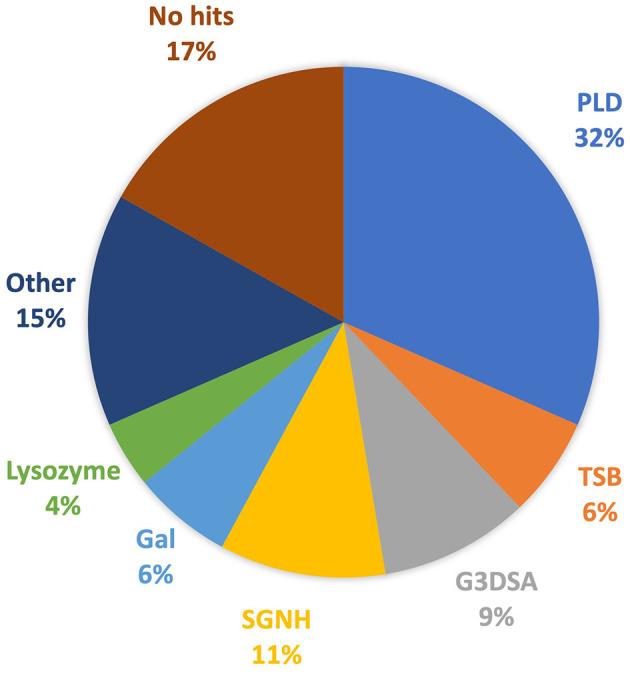
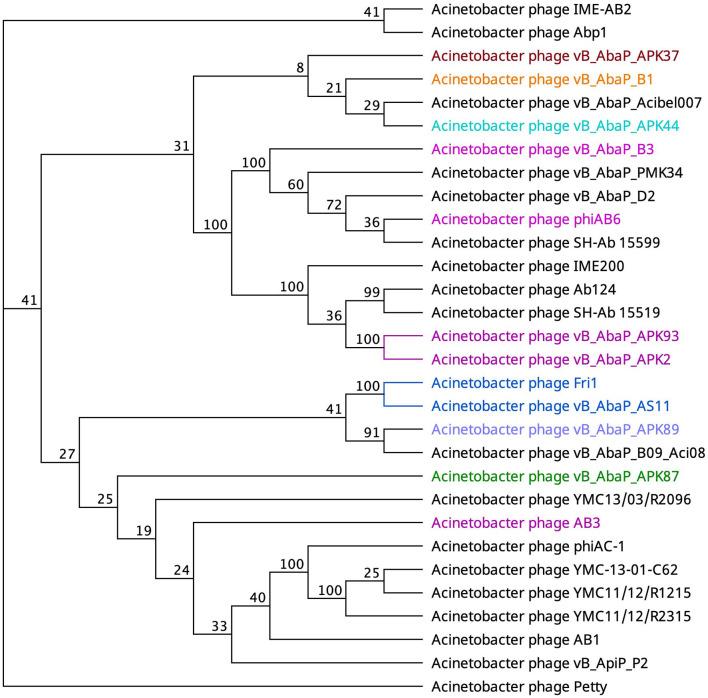
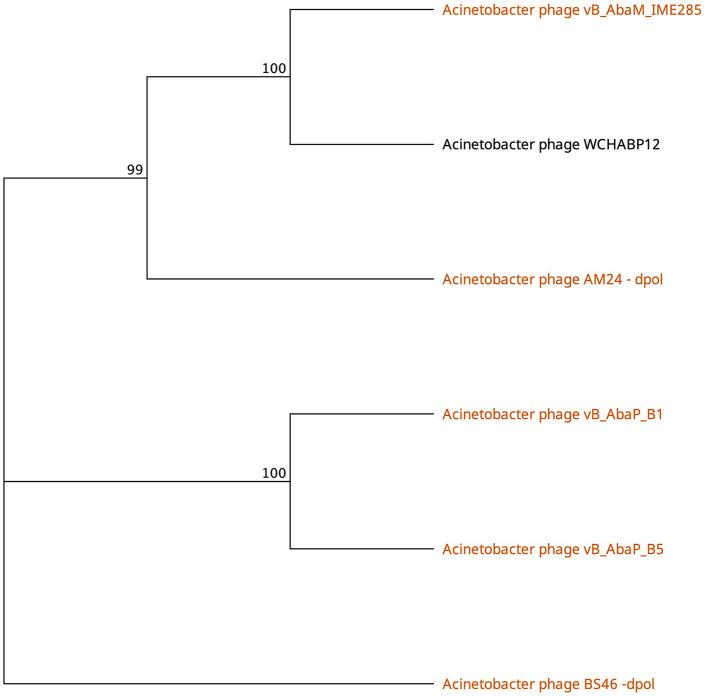
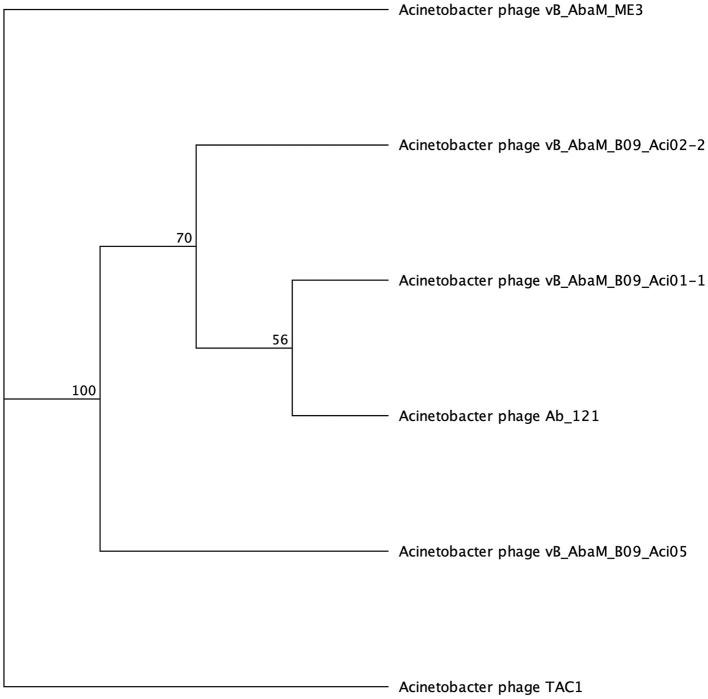
A rapid increase in antimicrobial resistant bacterial infections around the world is causing a global health crisis. The Gram-negative bacterium is categorized as a Priority 1 pathogen for research and development of new antimicrobials by the World Health Organization due to its numerous intrinsic antibiotic resistance mechanisms and ability to quickly acquire new resistance determinants. Specialized phage enzymes, called depolymerases, degrade the bacterial capsule polysaccharide layer and show therapeutic potential by sensitizing the bacterium to phages, select antibiotics, and serum killing. The functional domains responsible for the capsule degradation activity are often found in the tail fibers of select phages. To further explore the functional domains associated with depolymerase activity, tail-associated proteins of 71 sequenced and fully characterized phages were identified from published literature and analyzed for functional domains using InterProScan. Multisequence alignments and phylogenetic analyses were conducted on the domain groups and assessed in the context of noted halo formation or depolymerase characterization. Proteins derived from phages noted to have halo formation or a functional depolymerase, but no functional domain hits, were modeled with AlphaFold2 Multimer, and compared to other protein models using the DALI server. The domains associated with depolymerase function were pectin lyase-like (SSF51126), tailspike binding (cd20481), (Trans)glycosidases (SSF51445), and potentially SGNH hydrolases. These findings expand our knowledge on phage depolymerases, enabling researchers to better exploit these enzymes for therapeutic use in combating the antimicrobial resistance crisis.
全球范围内抗菌耐药细菌感染的迅速增加正在引发一场全球健康危机。革兰氏阴性菌由于其众多固有的抗生素耐药机制以及快速获得新耐药决定因素的能力,被世界卫生组织列为新型抗菌药物研发的优先1类病原体。一种名为解聚酶的特殊噬菌体酶可降解细菌的荚膜多糖层,并通过使细菌对噬菌体、某些抗生素和血清杀伤敏感而显示出治疗潜力。负责荚膜降解活性的功能域通常存在于某些噬菌体的尾丝中。为了进一步探索与解聚酶活性相关的功能域,从已发表的文献中鉴定了71种已测序并完全表征的噬菌体的尾部相关蛋白,并使用InterProScan分析其功能域。对这些功能域组进行了多序列比对和系统发育分析,并在观察到的晕圈形成或解聚酶表征的背景下进行了评估。对那些被认为具有晕圈形成或功能性解聚酶但未命中功能域的噬菌体衍生蛋白,使用AlphaFold2 Multimer进行建模,并使用DALI服务器与其他蛋白质模型进行比较。与解聚酶功能相关的功能域有果胶裂解酶样(SSF51126)、尾钉结合(cd20481)、(转)糖苷酶(SSF51445)以及可能的SGNH水解酶。这些发现扩展了我们对噬菌体解聚酶的认识,使研究人员能够更好地利用这些酶用于对抗抗菌耐药危机的治疗用途。


 Zotero 插件