
配体-金属电荷转移(LMCT)的新时代:利用配体-金属电荷转移激发态进行光化学反应。
A new era of LMCT: leveraging ligand-to-metal charge transfer excited states for photochemical reactions.
作者信息
May Ann Marie, Dempsey Jillian L
机构信息
Department of Chemistry, University of North Carolina at Chapel Hill Chapel Hill North Carolina 27599-3290 USA
出版信息
Chem Sci. 2024 Apr 17;15(18):6661-6678. doi: 10.1039/d3sc05268k. eCollection 2024 May 8.
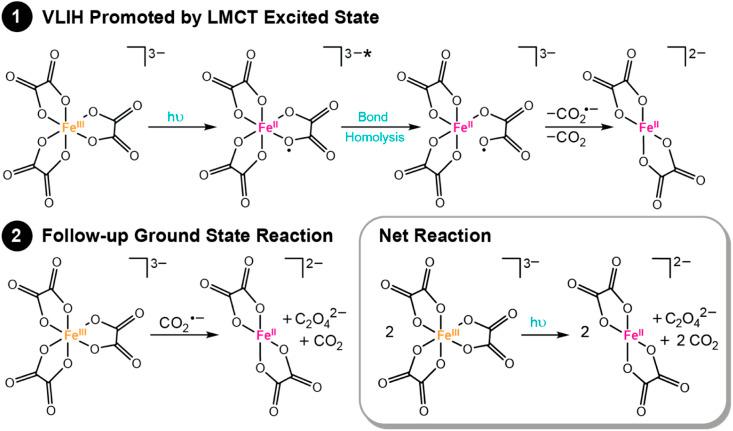
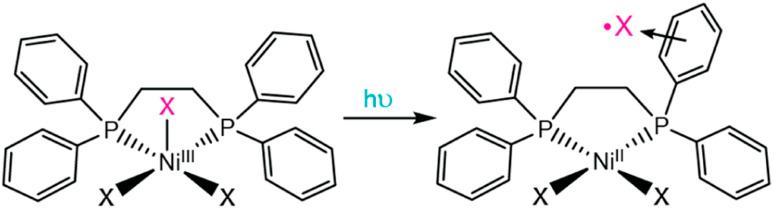
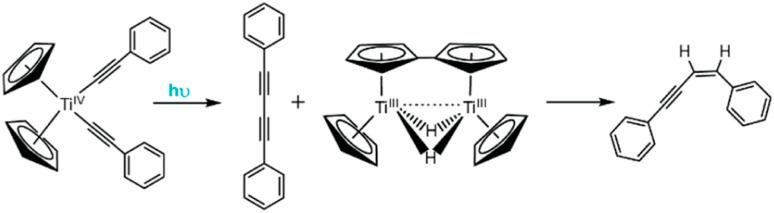
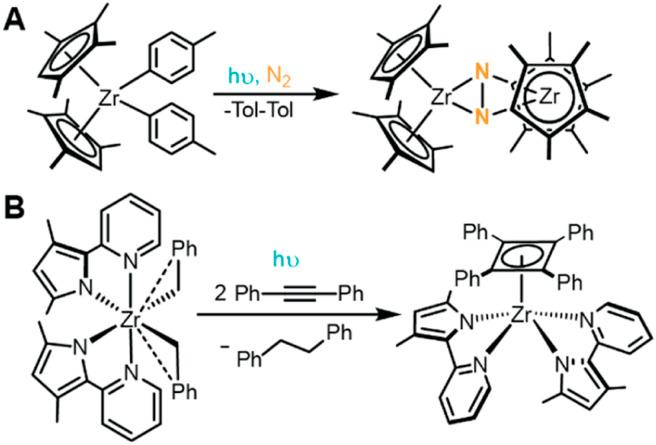
Ligand-to-metal charge transfer (LMCT) excited states are capable of undergoing a wide array of photochemical reactions, yet receive minimal attention compared to other charge transfer excited states. This work provides general criteria for designing transition metal complexes that exhibit low energy LMCT excited states and routes to drive photochemistry from these excited states. General design principles regarding metal identity, oxidation state, geometry, and ligand sets are summarized. Fundamental photoreactions from these states including visible light-induced homolysis, excited state electron transfer, and other photoinduced chemical transformations are discussed and key design principles for enabling these photochemical reactions are further highlighted. Guided by these fundamentals, this review outlines critical considerations for the future design and application of coordination complexes with LMCT excited states.
配体到金属的电荷转移(LMCT)激发态能够发生各种各样的光化学反应,但与其他电荷转移激发态相比,受到的关注却很少。这项工作提供了设计具有低能量LMCT激发态的过渡金属配合物的一般标准,以及驱动这些激发态进行光化学的途径。总结了关于金属特性、氧化态、几何结构和配体组的一般设计原则。讨论了这些状态下的基本光反应,包括可见光诱导的均裂、激发态电子转移和其他光诱导的化学转化,并进一步强调了实现这些光化学反应的关键设计原则。在这些基本原理的指导下,本综述概述了未来设计和应用具有LMCT激发态的配位配合物的关键考虑因素。






 Zotero 插件