
诱导多能干细胞在血管疾病中的应用、挑战与展望。
Applications, challenges, and prospects of induced pluripotent stem cells for vascular disease.
机构信息
Department of Physiology, College of Medicine, Hallym University, Chuncheon-si, Gangwon-do 24252, South Korea.
Department of Physiology, College of Medicine, Hallym University, Chuncheon-si, Gangwon-do 24252, South Korea; Yale Cardiovascular Research Center, Section of Cardiovascular Medicine, Department of Internal Medicine Yale School of Medicine, New Haven, CT 06511, USA.
出版信息
Mol Cells. 2024 Jul;47(7):100077. doi: 10.1016/j.mocell.2024.100077. Epub 2024 May 31.
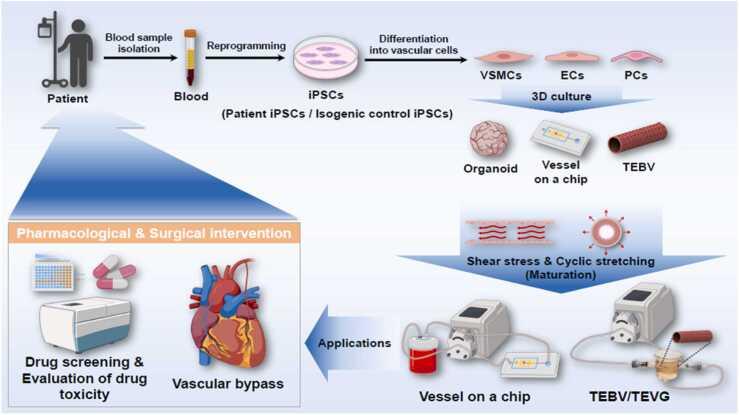
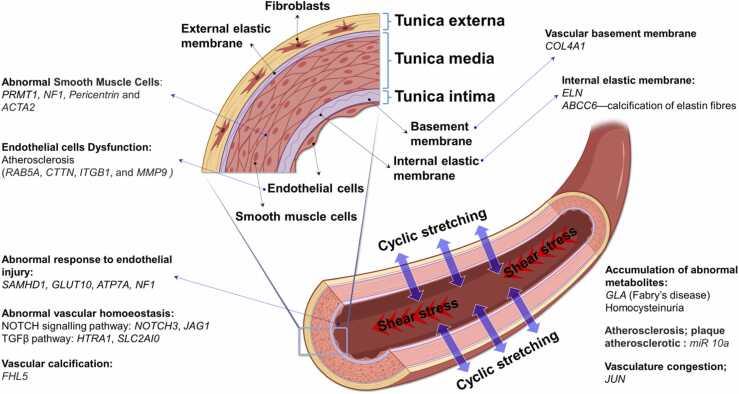
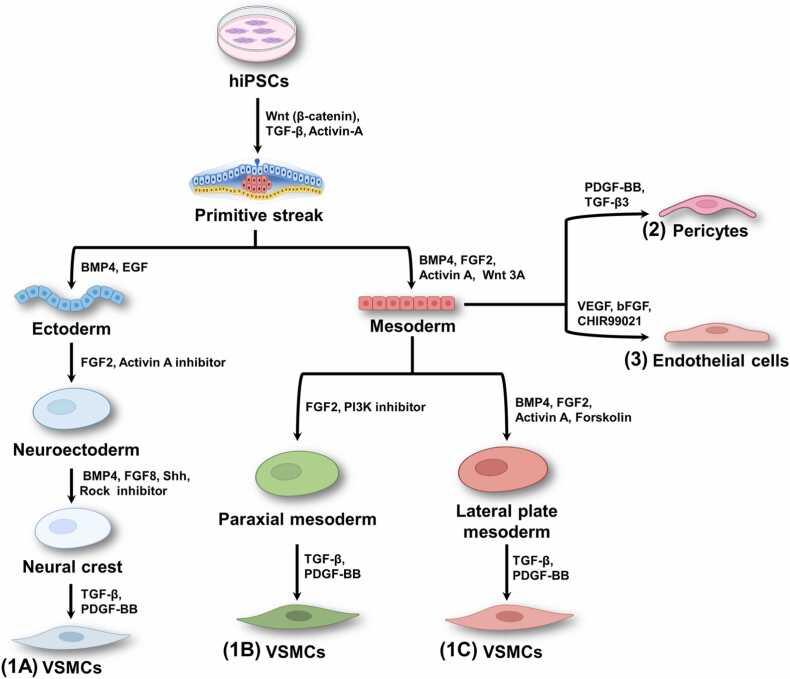
Vascular disease, including heart disease, stroke, and peripheral arterial disease, is one of the leading causes of death and disability and represents a significant global health issue. Since the development of human induced pluripotent stem cells (hiPSCs) in 2007, hiPSCs have provided unique and tremendous opportunities for studying human pathophysiology, disease modeling, and drug discovery in the field of regenerative medicine. In this review, we discuss vascular physiology and related diseases, the current methods for generating vascular cells (eg, endothelial cells, smooth muscle cells, and pericytes) from hiPSCs, and describe the opportunities and challenges to the clinical applications of vascular organoids, tissue-engineered blood vessels, and vessels-on-a-chip. We then explore how hiPSCs can be used to study and treat inherited vascular diseases and discuss the current challenges and future prospects. In the future, it will be essential to develop vascularized organoids or tissues that can simultaneously undergo shear stress and cyclic stretching. This development will not only increase their maturity and function but also enable effective and innovative disease modeling and drug discovery.
血管疾病,包括心脏病、中风和外周动脉疾病,是死亡和残疾的主要原因之一,也是一个重大的全球健康问题。自 2007 年人类诱导多能干细胞(hiPSC)的发展以来,hiPSC 为再生医学领域的人类生理学、疾病建模和药物发现提供了独特且巨大的机会。在这篇综述中,我们讨论了血管生理学和相关疾病,从 hiPSC 生成血管细胞(例如内皮细胞、平滑肌细胞和周细胞)的当前方法,并描述了血管类器官、组织工程血管和芯片上血管的临床应用的机会和挑战。然后,我们探讨了 hiPSC 如何用于研究和治疗遗传性血管疾病,并讨论了当前的挑战和未来的前景。未来,开发能够同时经受切应力和循环拉伸的血管化类器官或组织至关重要。这不仅会提高它们的成熟度和功能,还能够实现有效的创新疾病建模和药物发现。
 Zotero 插件