
粪便钙卫蛋白升高与老年人肠道微生物失调、血清标志物改变和临床结局有关。
Elevated fecal calprotectin is associated with gut microbial dysbiosis, altered serum markers and clinical outcomes in older individuals.
机构信息
Department of Neurology, University Medical Centre Schleswig-Holstein (UKSH), Kiel, Germany.
Institute of Medical Informatics and Statistics, University Medical Centre Schleswig-Holstein (UKSH), Kiel, Germany.
出版信息
Sci Rep. 2024 Jun 12;14(1):13513. doi: 10.1038/s41598-024-63893-0.
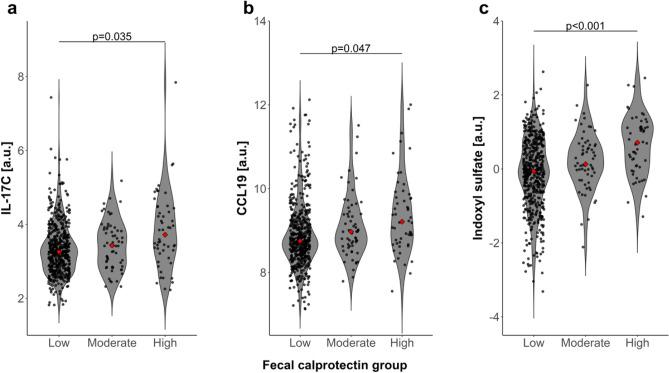
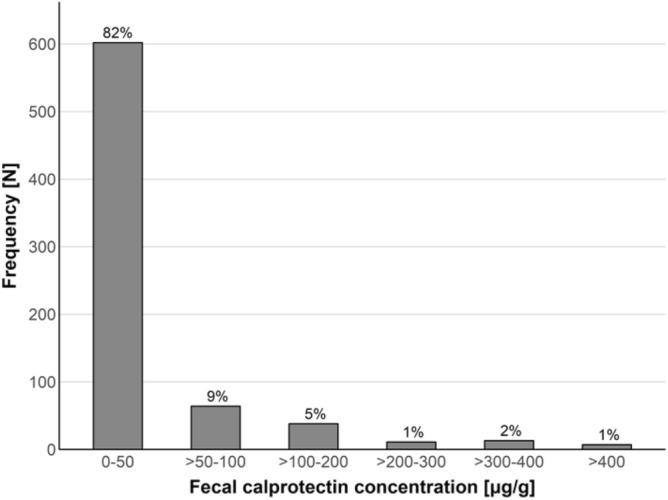
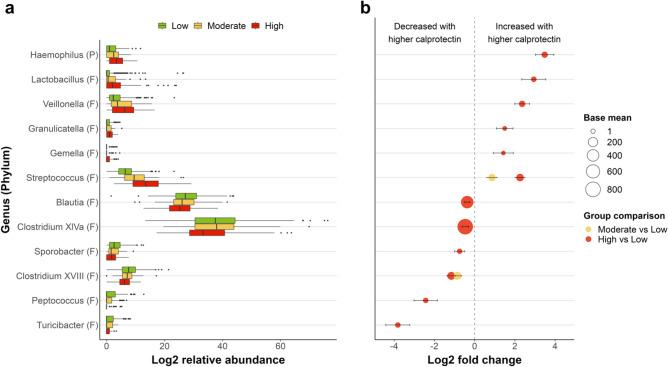
Fecal calprotectin is an established marker of gut inflammation in inflammatory bowel disease (IBD). Elevated levels of fecal calprotectin as well as gut microbial dysbiosis have also been observed in other clinical conditions. However, systemic and multi-omics alterations linked to elevated fecal calprotectin in older individuals remain unclear. This study comprehensively investigated the relationship between fecal calprotectin levels, gut microbiome composition, serum inflammation and targeted metabolomics markers, and relevant lifestyle and medical data in a large sample of older individuals (n = 735; mean age ± SD: 68.7 ± 6.3) from the TREND cohort study. Low (0-50 μg/g; n = 602), moderate (> 50-100 μg/g; n = 64) and high (> 100 μg/g; n = 62) fecal calprotectin groups were stratified. Several pro-inflammatory gut microbial genera were significantly increased and short-chain fatty acid producing genera were decreased in high vs. low calprotectin groups. In serum, IL-17C, CCL19 and the toxic metabolite indoxyl sulfate were increased in high vs. low fecal calprotectin groups. These changes were partially mediated by the gut microbiota. Moreover, the high fecal calprotectin group showed increased BMI and a higher disease prevalence of heart attack and obesity. Our findings contribute to the understanding of fecal calprotectin as a marker of gut dysbiosis and its broader systemic and clinical implications in older individuals.
粪便钙卫蛋白是炎症性肠病(IBD)中肠道炎症的既定标志物。在其他临床情况下也观察到粪便钙卫蛋白水平升高和肠道微生物失调。然而,与老年人粪便钙卫蛋白升高相关的系统性和多组学改变尚不清楚。本研究在 TREND 队列研究中,对大量老年人(n=735;平均年龄±标准差:68.7±6.3)的粪便钙卫蛋白水平、肠道微生物群组成、血清炎症和靶向代谢组学标志物以及相关生活方式和医疗数据进行了综合研究。将粪便钙卫蛋白水平分层为低(0-50μg/g;n=602)、中(>50-100μg/g;n=64)和高(>100μg/g;n=62)组。与低钙卫蛋白组相比,高钙卫蛋白组中几种促炎肠道微生物属显著增加,短链脂肪酸产生属减少。在血清中,与低粪便钙卫蛋白组相比,高钙卫蛋白组中 IL-17C、CCL19 和有毒代谢物吲哚硫酸酯增加。这些变化部分由肠道微生物介导。此外,高粪便钙卫蛋白组的 BMI 增加,心脏病发作和肥胖的疾病患病率更高。我们的研究结果有助于理解粪便钙卫蛋白作为肠道失调的标志物及其在老年人中的更广泛的系统性和临床意义。
 Zotero 插件