
了解纤维组织在肩袖损伤有效愈合中的作用
Understanding Fibrous Tissue in the Effective Healing of Rotator Cuff Injury.
作者信息
Rajalekshmi Resmi, Agrawal Devendra K
机构信息
Department of Translational Research, College of the Osteopathic Medicine of the Pacific, Western University of Health Sciences, Pomona, California USA.
出版信息
J Surg Res (Houst). 2024;7(2):215-228. doi: 10.26502/jsr.10020363. Epub 2024 May 21.
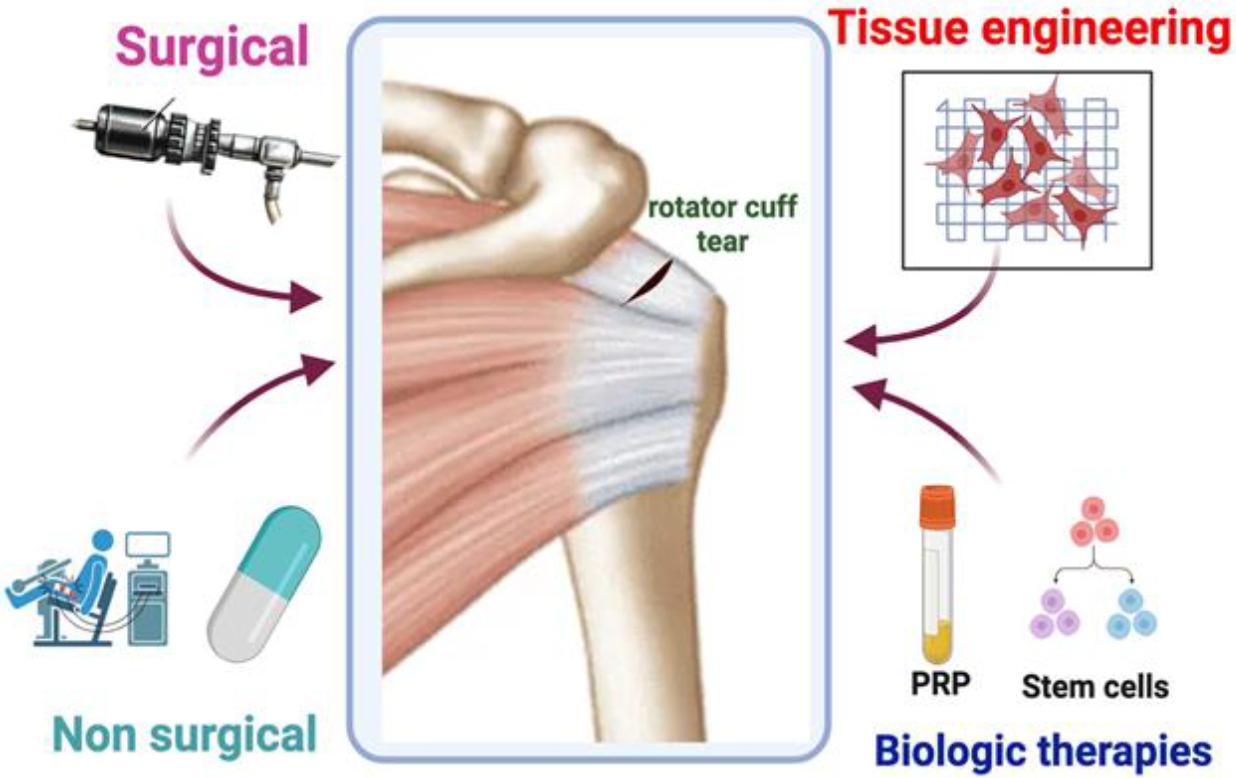
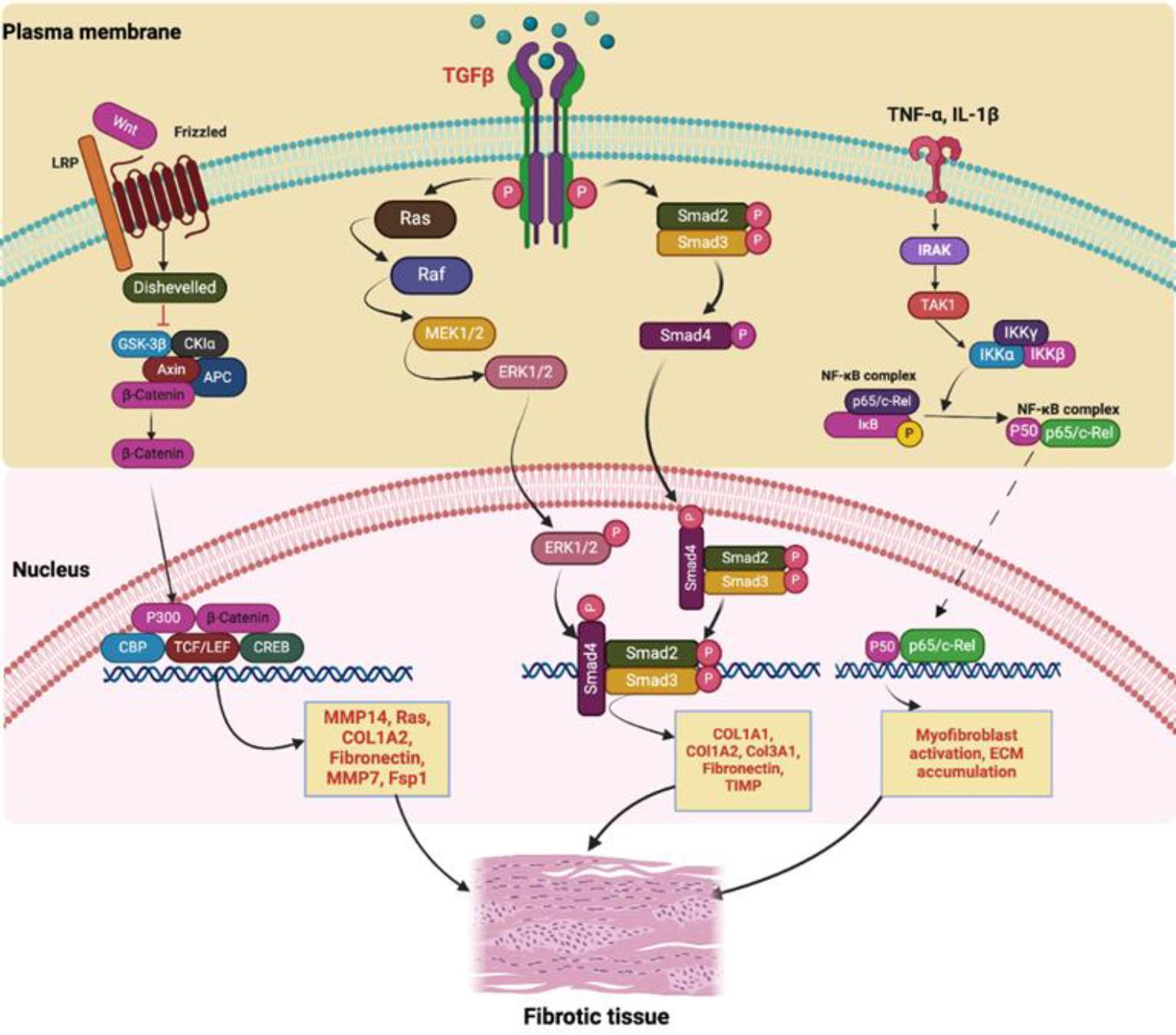
The rotator cuff is a crucial group of muscles and tendons in the shoulder complex that plays a significant role in the stabilization of the glenohumeral joint and enabling a wide range of motion. Rotator cuff tendon tears can occur due to sudden injuries or degenerative processes that develop gradually over time, whether they are partial or full thickness. These injuries are common causes of shoulder pain and functional impairment, and their complex nature highlights the essential role of the rotator cuff in shoulder function. Scar formation is a crucial aspect of the healing process initiated following a rotator cuff tendon tear, but excessive fibrous tissue development can potentially lead to stiffness, discomfort, and movement limitations. Age is a critical risk factor, with the prevalence of these tears increasing among older individuals. This comprehensive review aims to delve deeper into the anatomy and injury mechanisms of the rotator cuff. Furthermore, it will inspect the signaling pathways involved in fibrous tissue development, evaluate the various factors affecting the healing environment, and discuss proactive measures aimed at reducing excessive fibrous tissue formation. Lastly, this review identifed gaps within existing knowledge to advance methods for better management of rotator cuff tendon injuries.
肩袖是肩部复合体中一组至关重要的肌肉和肌腱,在稳定盂肱关节和实现广泛的活动范围方面发挥着重要作用。肩袖肌腱撕裂可因突然受伤或随着时间逐渐发展的退行性过程而发生,无论是部分厚度还是全层厚度的撕裂。这些损伤是肩部疼痛和功能障碍的常见原因,其复杂的性质凸显了肩袖在肩部功能中的重要作用。瘢痕形成是肩袖肌腱撕裂后启动的愈合过程的一个关键方面,但过多的纤维组织生长可能会导致僵硬、不适和活动受限。年龄是一个关键的风险因素,这些撕裂在老年人中的患病率会增加。这篇综述旨在更深入地探究肩袖的解剖结构和损伤机制。此外,它将研究纤维组织发育所涉及的信号通路,评估影响愈合环境的各种因素,并讨论旨在减少过多纤维组织形成的积极措施。最后,本综述确定了现有知识中的空白,以推进更好地管理肩袖肌腱损伤的方法。


 Zotero 插件