
槲皮素对2型糖尿病患者糖化血红蛋白、血压、PiKo-6读数、夜间睡眠、焦虑及生活质量的影响:一项随机对照试验
Benefits of Quercetin on Glycated Hemoglobin, Blood Pressure, PiKo-6 Readings, Night-Time Sleep, Anxiety, and Quality of Life in Patients with Type 2 Diabetes Mellitus: A Randomized Controlled Trial.
作者信息
Mantadaki Aikaterini E, Linardakis Manolis, Tsakiri Maria, Baliou Stella, Fragkiadaki Persefoni, Vakonaki Elena, Tzatzarakis Manolis N, Tsatsakis Aristidis, Symvoulakis Emmanouil K
机构信息
Clinic of Social and Family Medicine, Department of Social Medicine, School of Medicine, University of Crete, 70013 Heraklion, Greece.
Iatrica, Local Unit of Lab Analysis and Diagnostics Network, 71303 Heraklion, Greece.
出版信息
J Clin Med. 2024 Jun 15;13(12):3504. doi: 10.3390/jcm13123504.
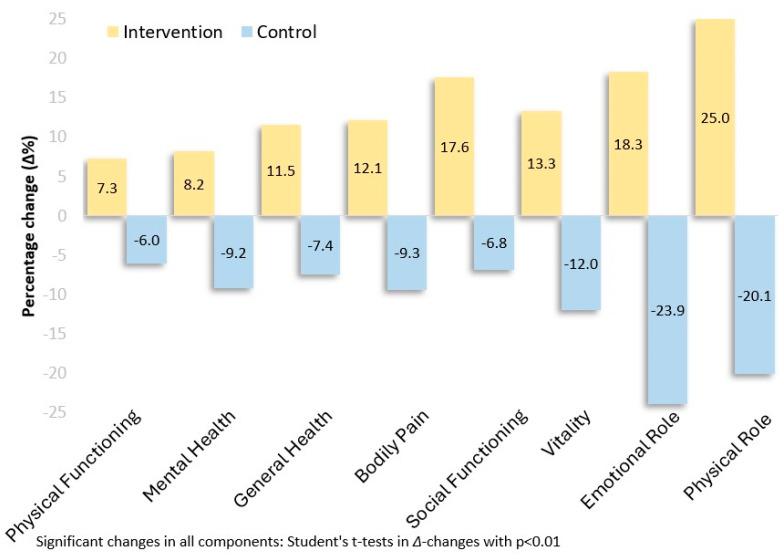
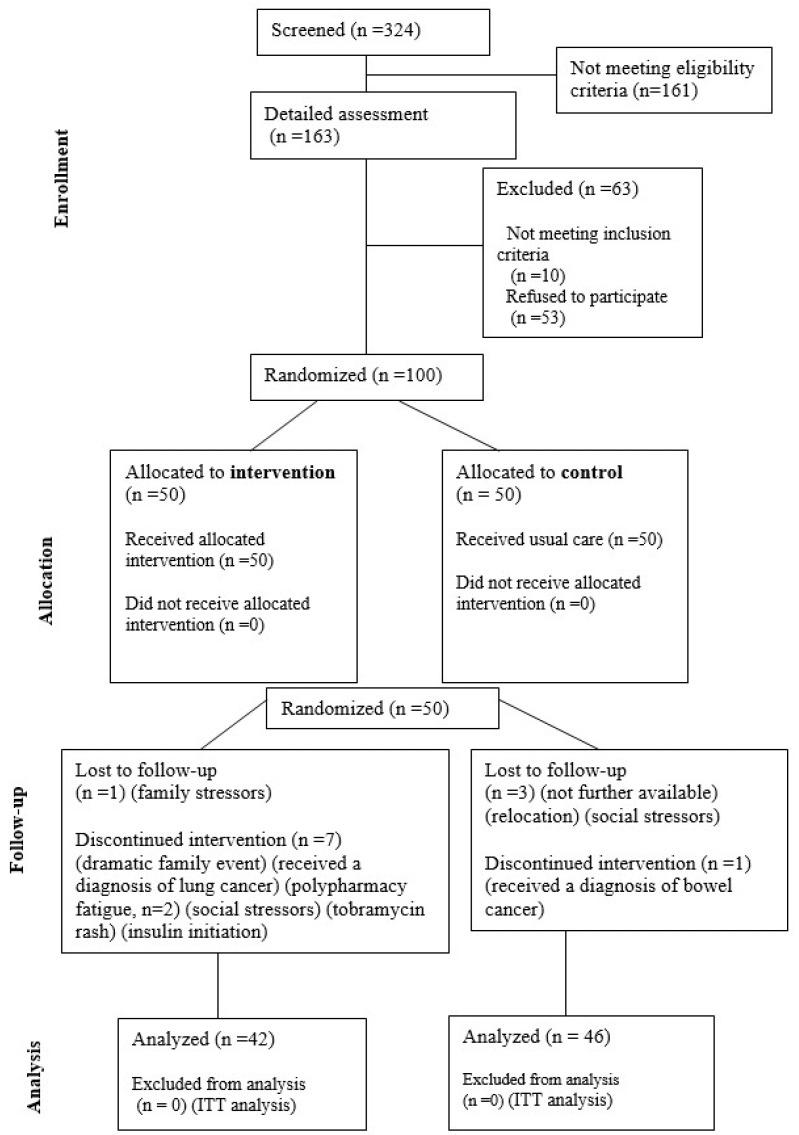
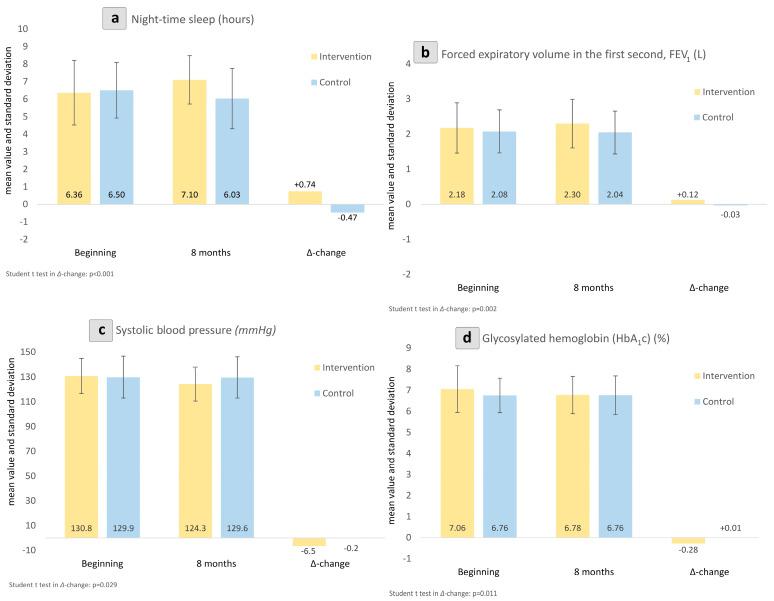
Diabetes is a rapidly growing global morbidity issue with high prevalence, and the associated dysglycemia leads to complications. Patients with type 2 diabetes mellitus (T2DM) often experience elevated anxiety levels, affecting their quality of life and diabetes management. This study investigated quercetin, a nutraceutical and potential senolytic with antioxidant activity, to detect its possible positive effect on the bio-clinical measurements and routine health of patients with T2DM. This prospective randomized controlled trial (RCT) investigated the clinical usefulness of quercetin in patients with T2DM receiving non-insulin medications. One hundred participants were stratified by age and sex (1:1) and randomized to control (n = 50) or intervention (n = 50) groups. The control received standard care only, while the intervention received 500 mg quercetin daily for 12 weeks, followed by an 8-week washout and a final consecutive 12-week supplementation period (total: 32 weeks), as adjunct to their usual care. Comprehensive health assessments, including blood analyses, were conducted at baseline and study termination. Quality of life and anxiety were assessed using the 36-item Short Form Health Survey (SF-36) and Short Anxiety Screening Test (SAST-10). Eighty-eight patients with T2DM concluded the trial. Compared with the control, glycated hemoglobin (HbA1c) levels showed a significant decrease (Δ%-change: -4.0% vs. 0.1%, = 0.011). Quercetin also significantly improved PiKo-6 readings (FEV: 5.6% vs. -1.5%, = 0.002), systolic blood pressure (-5.0% vs. -0.2%, = 0.029), night-time sleep (11.6% vs. -7.3%, < 0.001), anxiety levels (SAST-10) (-26.2% vs. 3.3%, < 0.001), and quality of life (SF-36) (both physical and mental components, < 0.001). Based on the current open-label study, quercetin appears to be a promising supplement for T2DM, providing lifestyle and care support. Further research is warranted to shift this potential from clinical usefulness and feasibility to multidisciplinary evidence.
糖尿病是一个在全球范围内迅速增长、患病率很高的发病问题,与之相关的血糖异常会导致并发症。2型糖尿病(T2DM)患者常常焦虑水平升高,这影响了他们的生活质量和糖尿病管理。本研究调查了槲皮素,一种具有抗氧化活性的营养保健品及潜在的衰老细胞溶解剂,以检测其对T2DM患者的生物临床指标和日常健康状况可能产生的积极影响。这项前瞻性随机对照试验(RCT)研究了槲皮素在接受非胰岛素药物治疗的T2DM患者中的临床效用。100名参与者按年龄和性别(1:1)分层,随机分为对照组(n = 50)和干预组(n = 50)。对照组仅接受标准护理,而干预组每天服用500毫克槲皮素,持续12周,随后有8周的洗脱期,最后连续补充12周(共32周),作为其常规护理的辅助手段。在基线和研究结束时进行了包括血液分析在内的全面健康评估。使用36项简短健康调查(SF - 36)和简短焦虑筛查测试(SAST - 10)评估生活质量和焦虑情况。88名T2DM患者完成了试验。与对照组相比,糖化血红蛋白(HbA1c)水平显著下降(变化百分比:-4.0% 对 0.1%,P = 0.011)。槲皮素还显著改善了PiKo - 6读数(第一秒用力呼气容积:5.6% 对 -1.5%,P = 0.002)、收缩压(-5.0% 对 -0.2%,P = 0.029)、夜间睡眠(11.6% 对 -7.3%,P < 0.001)、焦虑水平(SAST - 10)(-26.2% 对 3.3%,P < 0.001)以及生活质量(SF - 36)(身体和心理成分,P < 0.001)。基于当前的开放标签研究,槲皮素似乎是一种对T2DM有前景的补充剂,可提供生活方式和护理支持。有必要进行进一步研究,将这种潜力从临床效用和可行性转变为多学科证据。

 Zotero 插件