
肝细胞癌发病机制中遗传学与生物化学之间的相互作用。
Cross talk between genetics and biochemistry in the pathogenesis of hepatocellular carcinoma.
作者信息
Ucdal Mete, Burus Ayse, Celtikci Basak
机构信息
Department of Internal Medicine, Hacettepe University School of Medicine, Ankara, Turkiye.
Department of Medical Biochemistry, Hacettepe University, School of Medicine, Ankara, Turkiye.
出版信息
Hepatol Forum. 2024 Jul 2;5(3):150-160. doi: 10.14744/hf.2023.2023.0028. eCollection 2024.
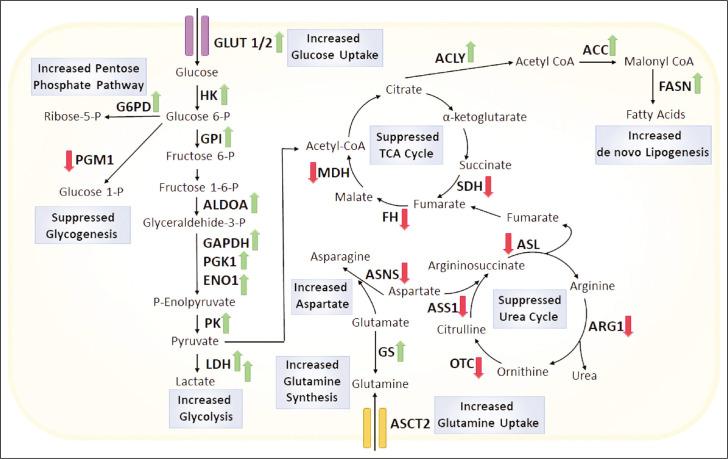
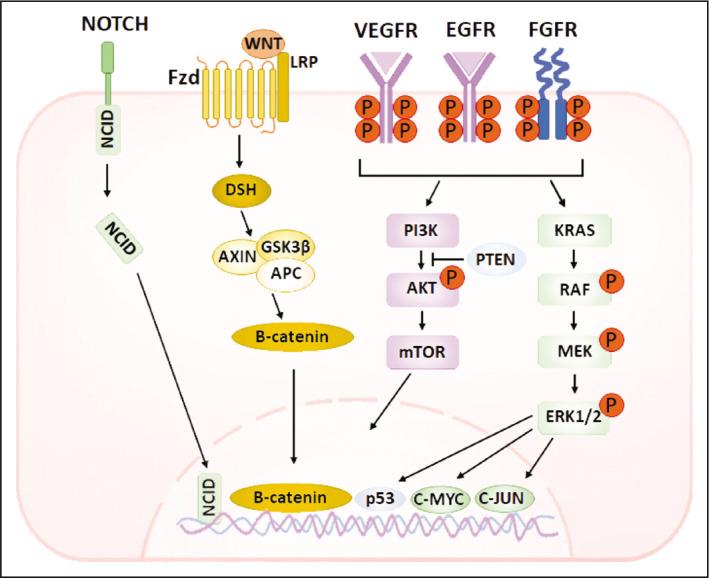
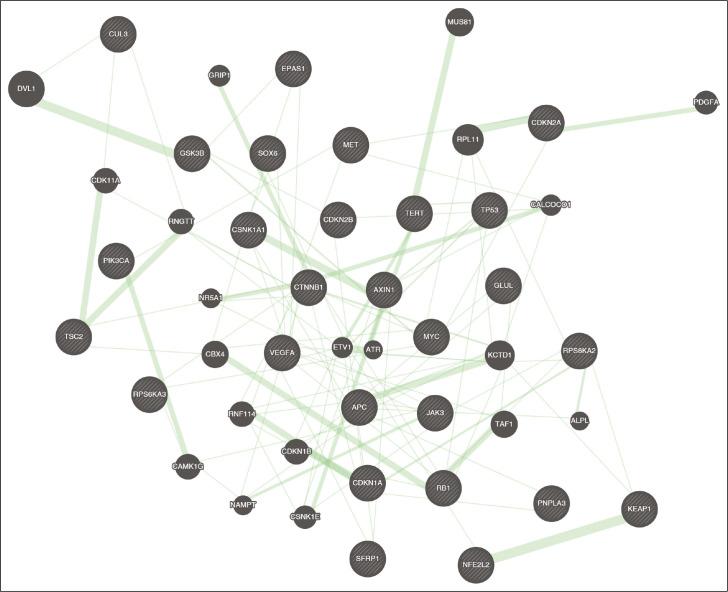
The liver is a crucial organ in the regulation of metabolism, signaling, and homeostasis. Using recent advanced sequencing technologies, several mutations of genes in major metabolic and signaling pathways have been discovered in the pathogenesis of hepatocellular carcinoma (HCC). These gene signatures alter expression and ultimately affect biochemical pathways by modifying enzyme/protein levels, resulting in numerous clinical outcomes related to HCC. It comes with varying forms of genetic and biochemical alterations, associated with carbohydrate, lipid, nucleic acid, and amino acid metabolism, as well as signaling pathways linked to tumorigenesis. Here, we aim to summarize the main components and mechanisms involved in the progression of HCC with a special focus on the metabolic regulation of key effectors of tumorigenesis, through the crosstalk between genetics and biochemistry. This paper provides an overview of hepatocellular carcinoma, underlying the fundamental effect of gene variations on metabolic and signaling pathways. Since there is still an unmet need for biomarkers and novel therapeutic targets, some of these signature genes or proteins can be used as novel biomarkers for diagnosis, prognosis, and novel potential therapeutic targets for the treatment of HCC.
肝脏是调节新陈代谢、信号传导和体内平衡的关键器官。利用最近的先进测序技术,在肝细胞癌(HCC)的发病机制中发现了主要代谢和信号通路中的几个基因突变。这些基因特征改变表达,并最终通过改变酶/蛋白质水平影响生化途径,导致与HCC相关的众多临床结果。它伴随着各种形式的遗传和生化改变,与碳水化合物、脂质、核酸和氨基酸代谢以及与肿瘤发生相关的信号通路有关。在这里,我们旨在总结HCC进展中涉及的主要成分和机制,特别关注肿瘤发生关键效应器的代谢调节,通过遗传学和生物化学之间的相互作用。本文概述了肝细胞癌,强调了基因变异对代谢和信号通路的根本影响。由于对生物标志物和新型治疗靶点仍有未满足的需求,这些特征基因或蛋白质中的一些可用作诊断、预后的新型生物标志物以及治疗HCC的新型潜在治疗靶点。
 Zotero 插件