
选择性氧还原反应:机理理解、催化剂设计及实际应用
Selective oxygen reduction reaction: mechanism understanding, catalyst design and practical application.
作者信息
Li Shilong, Shi Lei, Guo Yingjie, Wang Jingyang, Liu Di, Zhao Shenlong
机构信息
School of Chemical & Environmental Engineering, China University of Mining and Technology (Beijing) Beijing 100083 P. R. China
CAS Key Laboratory of Nanosystem and Hierarchical Fabrication, CAS Center for Excellence in Nanoscience, National Center for Nanoscience and Technology, University of Chinese Academy of Sciences Beijing 100190 P. R. China
出版信息
Chem Sci. 2024 Jun 27;15(29):11188-11228. doi: 10.1039/d4sc02853h. eCollection 2024 Jul 24.
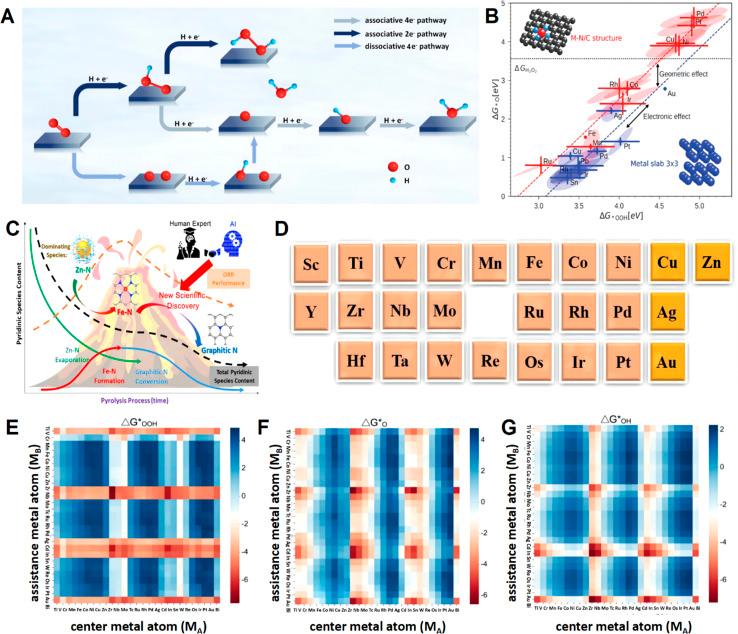
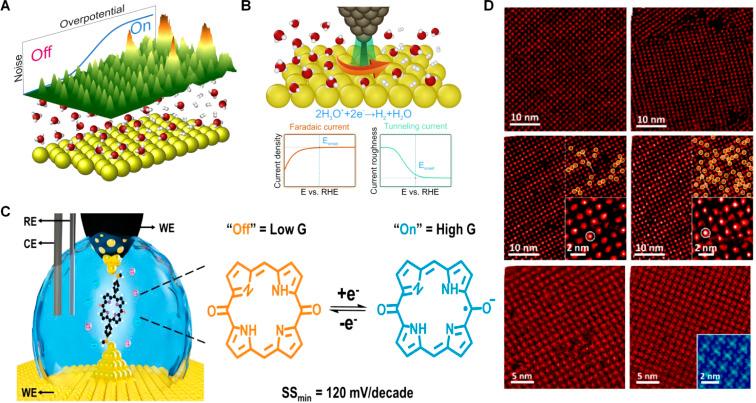
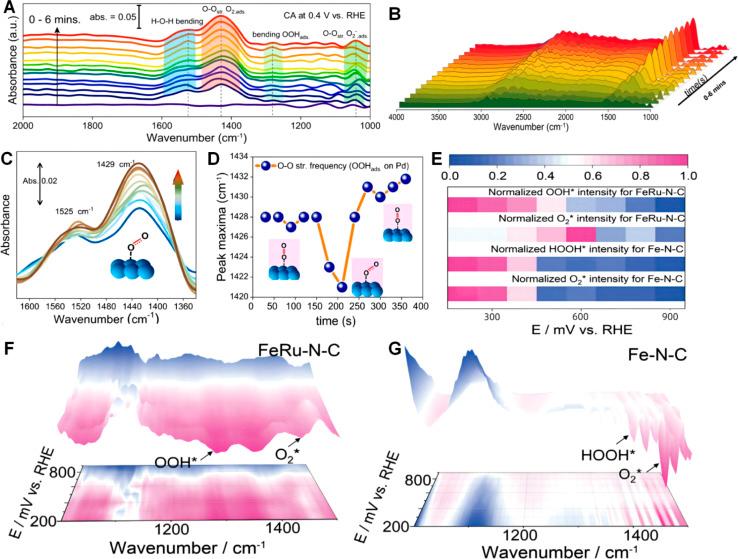
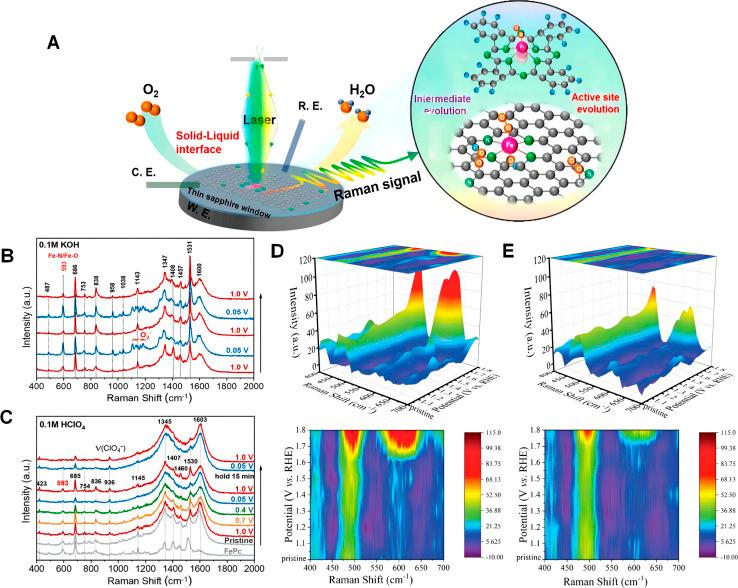
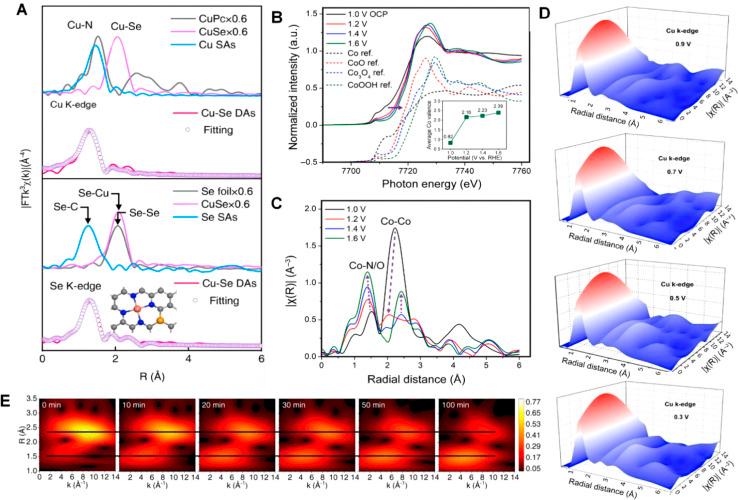
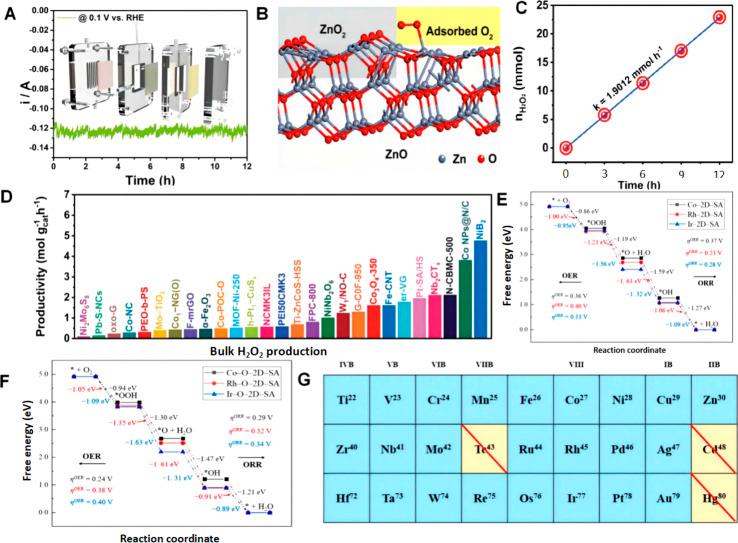
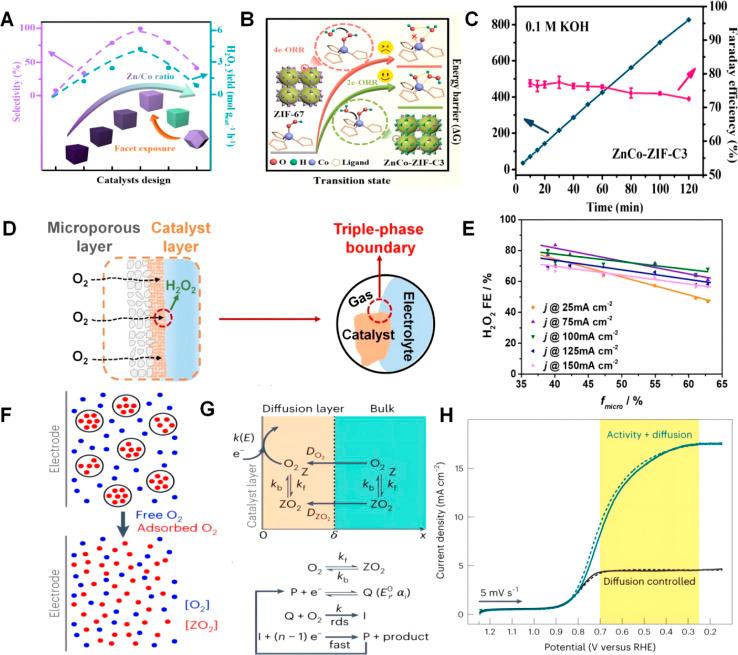
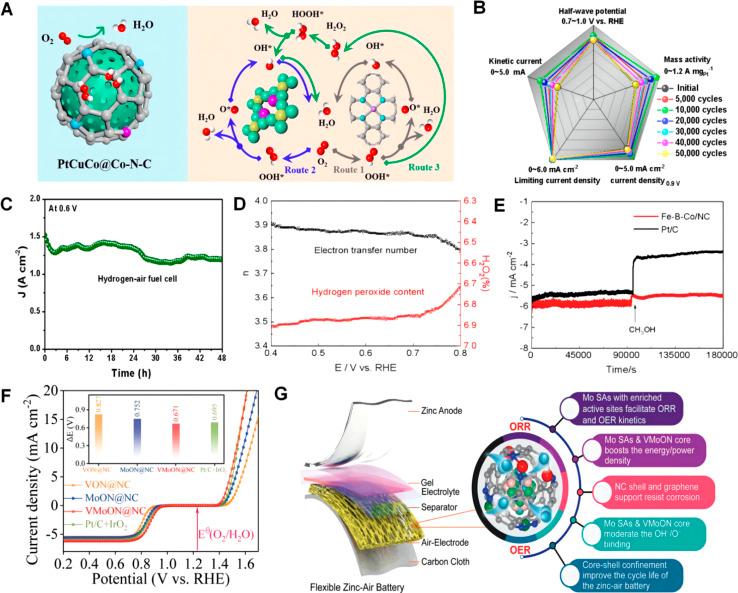
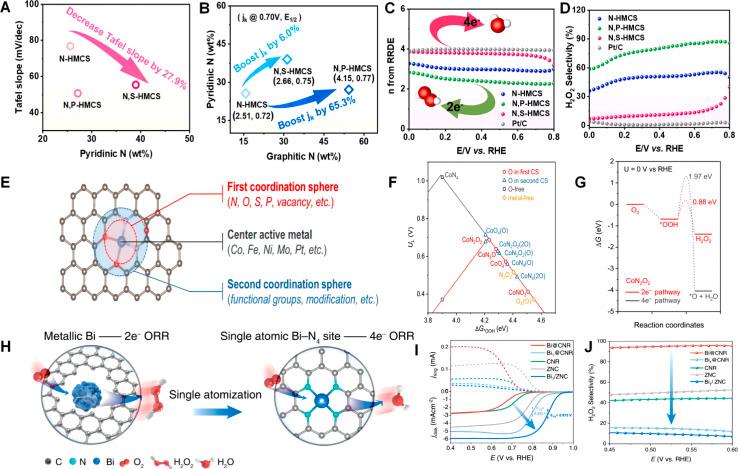
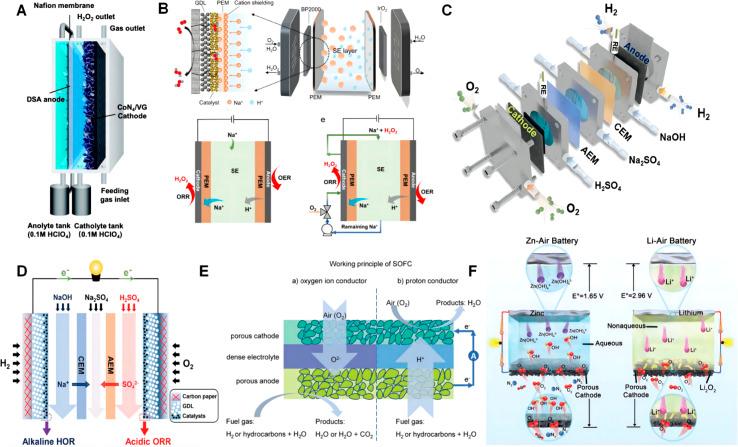
The oxygen reduction reaction (ORR) is a key component for many clean energy technologies and other industrial processes. However, the low selectivity and the sluggish reaction kinetics of ORR catalysts have hampered the energy conversion efficiency and real application of these new technologies mentioned before. Recently, tremendous efforts have been made in mechanism understanding, electrocatalyst development and system design. Here, a comprehensive and critical review is provided to present the recent advances in the field of the electrocatalytic ORR. The two-electron and four-electron transfer catalytic mechanisms and key evaluation parameters of the ORR are discussed first. Then, the up-to-date synthetic strategies and characterization techniques for ORR electrocatalysts are systematically summarized. Lastly, a brief overview of various renewable energy conversion devices and systems involving the ORR, including fuel cells, metal-air batteries, production of hydrogen peroxide and other chemical synthesis processes, along with some challenges and opportunities, is presented.
氧还原反应(ORR)是许多清洁能源技术和其他工业过程的关键组成部分。然而,ORR催化剂的低选择性和缓慢的反应动力学阻碍了上述这些新技术的能量转换效率和实际应用。近年来,在机理理解、电催化剂开发和系统设计方面已经做出了巨大努力。在此,提供一篇全面且批判性的综述,以介绍电催化ORR领域的最新进展。首先讨论了ORR的双电子和四电子转移催化机制以及关键评估参数。然后,系统地总结了ORR电催化剂的最新合成策略和表征技术。最后,简要概述了涉及ORR的各种可再生能源转换装置和系统,包括燃料电池、金属空气电池、过氧化氢的生产以及其他化学合成过程,同时还介绍了一些挑战和机遇。







 Zotero 插件