
神经胶质瘤干细胞促进神经胶质瘤进展:分子途径和靶向治疗的系统评价。
Glioma Stem Cells as Promoter of Glioma Progression: A Systematic Review of Molecular Pathways and Targeted Therapies.
机构信息
Division of Neurosurgery, Department of Medical and Surgical Specialties, Radiological Sciences and Public Health, University of Brescia, Piazza Spedali Civili 1, 25123 Brescia, Italy.
Neurosurgery Unit, Head-Neck and NeuroScience Department, University Hospital of Udine, p.le S. Maria della Misericordia 15, 33100 Udine, Italy.
出版信息
Int J Mol Sci. 2024 Jul 22;25(14):7979. doi: 10.3390/ijms25147979.
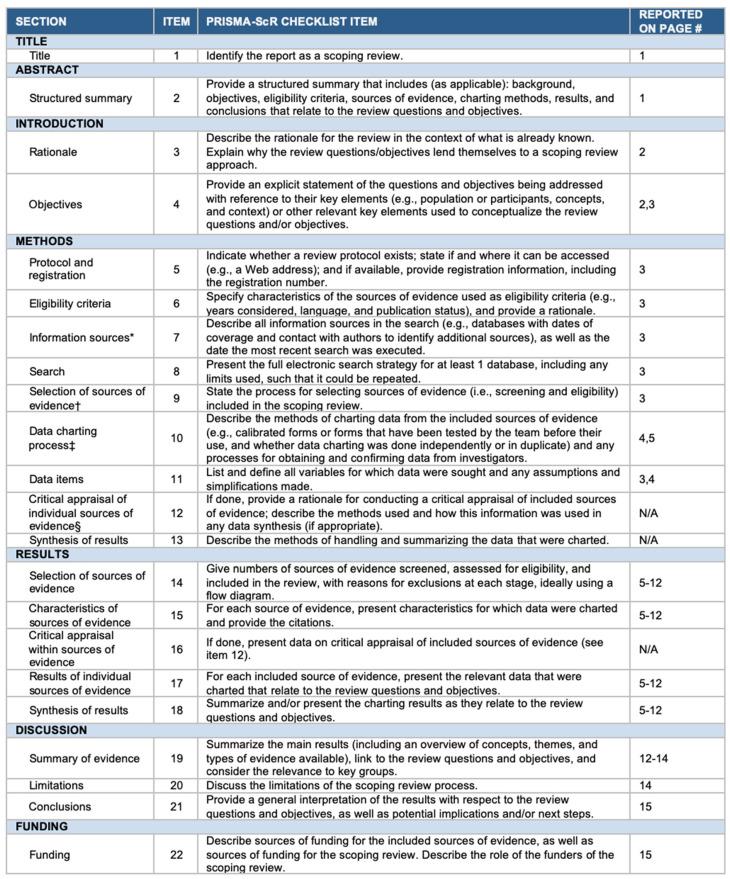
Gliomas' aggressive nature and resistance to therapy make them a major problem in oncology. Gliomas continue to have dismal prognoses despite significant advancements in medical science, and traditional treatments like surgery, radiation (RT), and chemotherapy (CT) frequently prove to be ineffective. After glioma stem cells (GSCs) were discovered, the traditional view of gliomas as homogeneous masses changed. GSCs are essential for tumor growth, treatment resistance, and recurrence. These cells' distinct capacities for differentiation and self-renewal are changing our knowledge of the biology of gliomas. This systematic literature review aims to uncover the molecular mechanisms driving glioma progression associated with GSCs. The systematic review adhered to PRISMA guidelines, with a thorough literature search conducted on PubMed, Ovid MED-LINE, and Ovid EMBASE. The first literature search was performed on 1 March 2024, and the search was updated on 15 May 2024. Employing MeSH terms and Boolean operators, the search focused on molecular mechanisms associated with GCSs-mediated glioma progression. Inclusion criteria encompassed English language studies, preclinical studies, and clinical trials. A number of 957 papers were initially identified, of which 65 studies spanning from 2005 to 2024 were finally included in the review. The main GSC model distribution is arranged in decreasing order of frequency: U87: 20 studies (32.0%); U251: 13 studies (20.0%); A172: 4 studies (6.2%); and T98G: 2 studies (3.17%). From most to least frequent, the distribution of the primary GSC pathway is as follows: Notch: 8 studies (12.3%); STAT3: 6 studies (9.2%); Wnt/β-catenin: 6 studies (9.2%); HIF: 5 studies (7.7%); and PI3K/AKT: 4 studies (6.2%). The distribution of molecular effects, from most to least common, is as follows: inhibition of differentiation: 22 studies (33.8%); increased proliferation: 18 studies (27.7%); enhanced invasive ability: 15 studies (23.1%); increased self-renewal: 5 studies (7.7%); and inhibition of apoptosis: 3 studies (4.6%). This work highlights GSC heterogeneity and the dynamic interplay within the glioblastoma microenvironment, underscoring the need for a tailored approach. A few key pathways influencing GSC behavior are JAK/STAT3, PI3K/AKT, Wnt/β-catenin, and Notch. Therapy may target these pathways. This research urges more study to fill in knowledge gaps in the biology of GSCs and translate findings into useful treatment approaches that could improve GBM patient outcomes.
神经胶质瘤的侵袭性和对治疗的耐药性使其成为肿瘤学中的一个主要问题。尽管医学科学取得了重大进展,但神经胶质瘤的预后仍然不容乐观,手术、放疗 (RT) 和化疗 (CT) 等传统治疗方法往往证明无效。在发现神经胶质瘤干细胞 (GSCs) 后,人们对神经胶质瘤作为同质肿块的传统观点发生了改变。GSCs 是肿瘤生长、治疗耐药和复发的关键。这些细胞分化和自我更新的独特能力正在改变我们对神经胶质瘤生物学的认识。本系统文献综述旨在揭示与 GSCs 相关的驱动神经胶质瘤进展的分子机制。系统综述遵循 PRISMA 指南,在 PubMed、Ovid MED-LINE 和 Ovid EMBASE 上进行了全面的文献检索。第一次文献检索于 2024 年 3 月 1 日进行,于 2024 年 5 月 15 日更新。使用 MeSH 术语和布尔运算符,该搜索侧重于与 GCS 介导的神经胶质瘤进展相关的分子机制。纳入标准包括英语语言研究、临床前研究和临床试验。最初确定了 957 篇论文,其中最终纳入了 65 项研究,这些研究跨越了 2005 年至 2024 年。主要 GSC 模型分布按频率降序排列为:U87:20 项研究 (32.0%);U251:13 项研究 (20.0%);A172:4 项研究 (6.2%);T98G:2 项研究 (3.17%)。主要 GSC 途径的分布频率从高到低依次为:Notch:8 项研究 (12.3%);STAT3:6 项研究 (9.2%);Wnt/β-catenin:6 项研究 (9.2%);HIF:5 项研究 (7.7%);和 PI3K/AKT:4 项研究 (6.2%)。分子效应的分布频率从高到低依次为:分化抑制:22 项研究 (33.8%);增殖增加:18 项研究 (27.7%);侵袭能力增强:15 项研究 (23.1%);自我更新增加:5 项研究 (7.7%);和凋亡抑制:3 项研究 (4.6%)。这项工作强调了 GSC 的异质性和胶质母细胞瘤微环境内的动态相互作用,突出了需要采取针对性的方法。有几个影响 GSC 行为的关键途径,包括 JAK/STAT3、PI3K/AKT、Wnt/β-catenin 和 Notch。治疗可能针对这些途径。这项研究呼吁进行更多的研究,以填补 GSCs 生物学知识空白,并将研究结果转化为有用的治疗方法,从而改善 GBM 患者的预后。


 Zotero 插件