
遗传毒性:化学危害评估的一种比较方法。
Toxicity by descent: A comparative approach for chemical hazard assessment.
作者信息
Colbourne John K, Shaw Joseph R, Sostare Elena, Rivetti Claudia, Derelle Romain, Barnett Rosemary, Campos Bruno, LaLone Carlie, Viant Mark R, Hodges Geoff
机构信息
Michabo Health Science Ltd, Coventry CV1 2NT, UK.
School of Biosciences, University of Birmingham, Edgbaston B15 2TT, UK.
出版信息
Environ Adv. 2022 Oct 1;9:100287. doi: 10.1016/j.envadv.2022.100287.
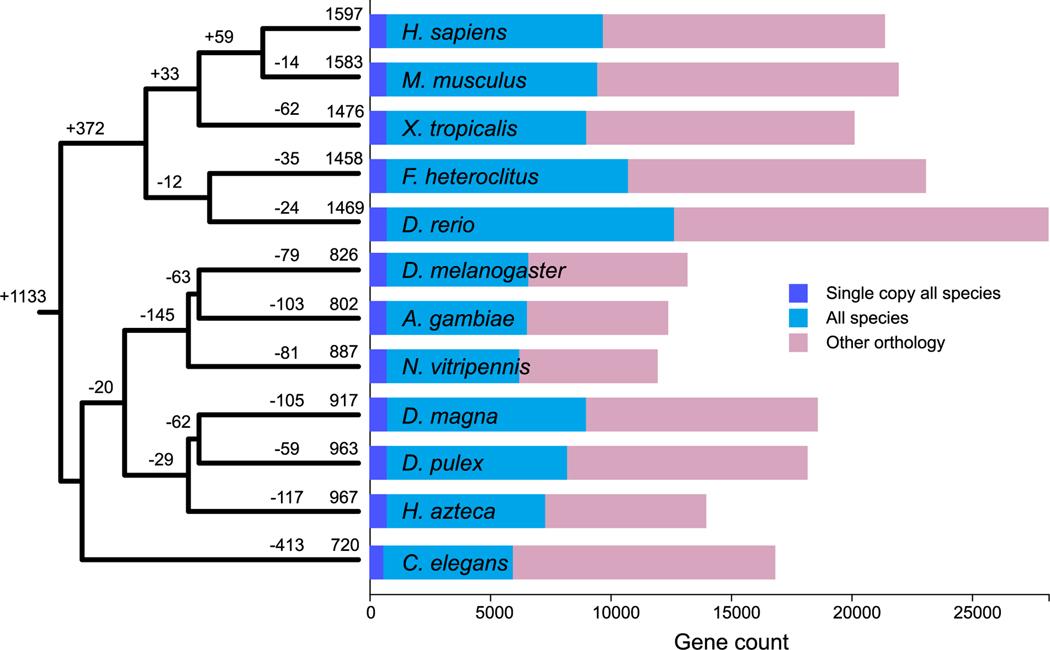
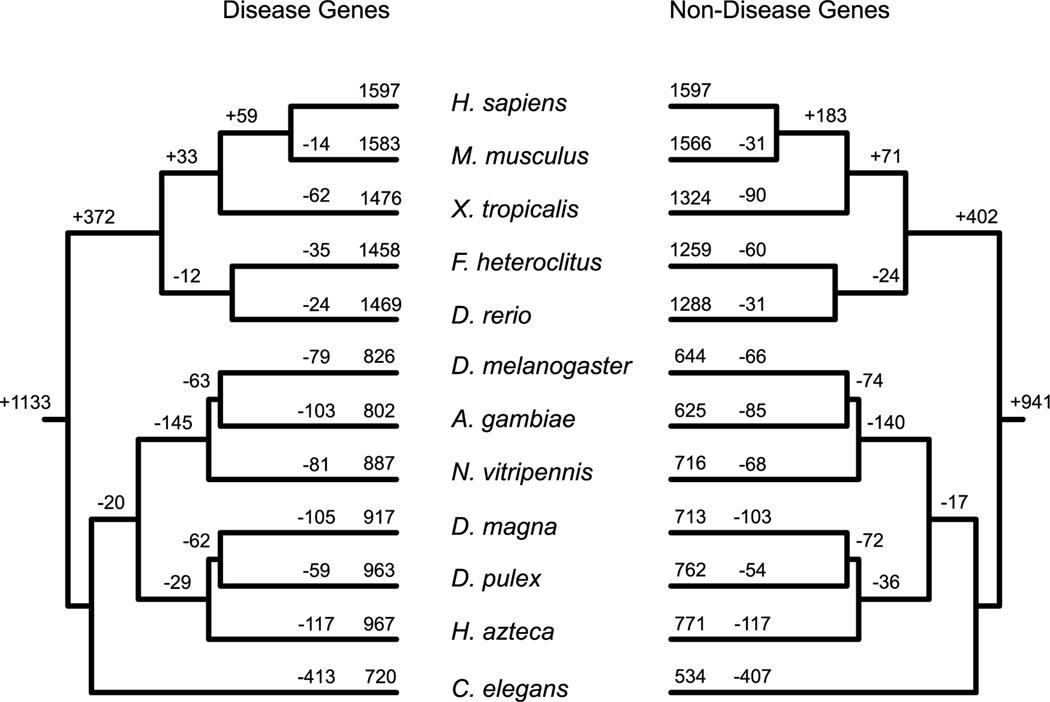
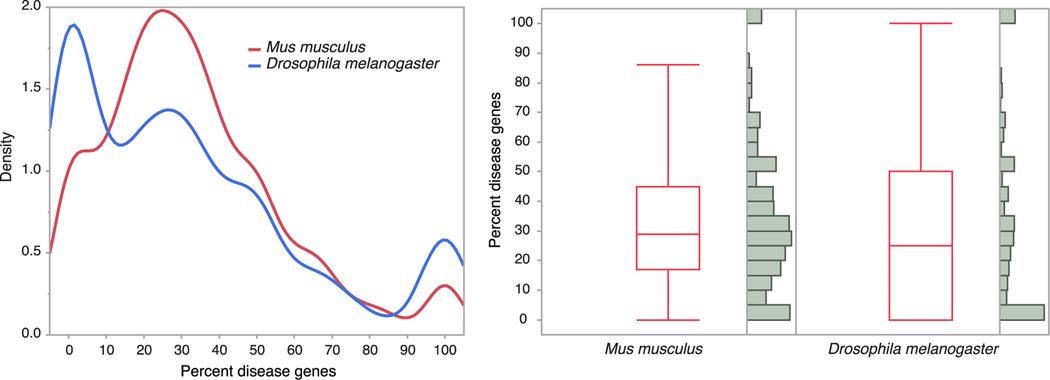
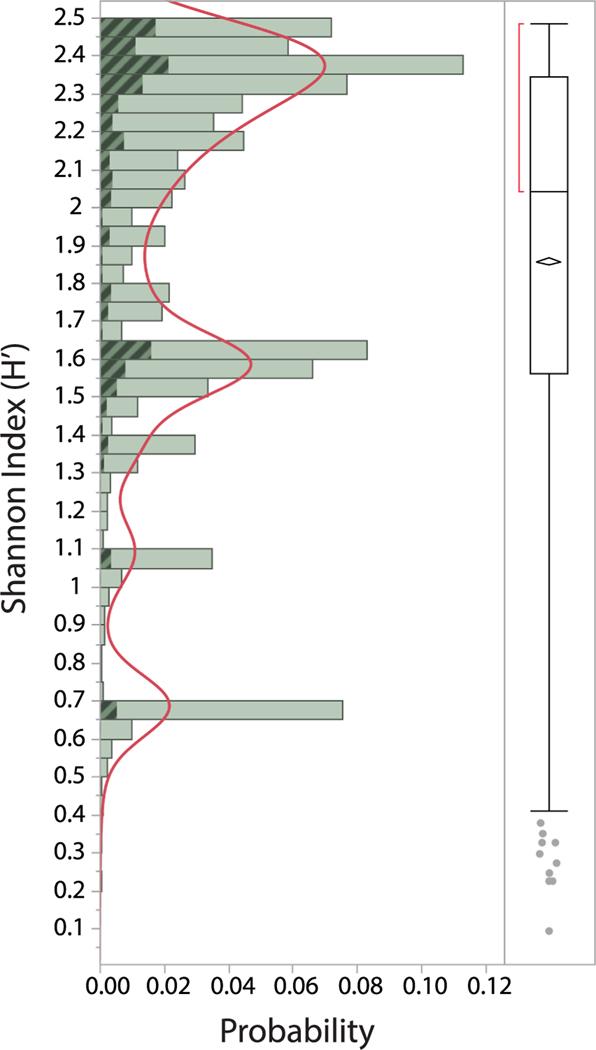
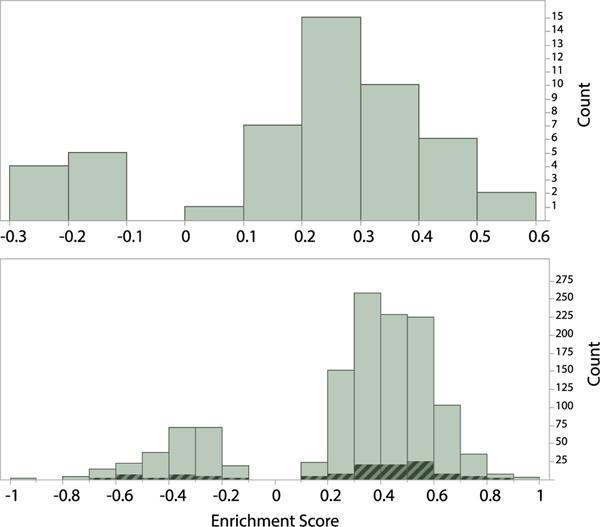
Toxicology is traditionally divided between human and eco-toxicology. In the shared pursuit of environmental health, this separation does not account for discoveries made in the comparative studies of animal genomes. Here, we provide evidence on the feasibility of understanding the health impact of chemicals on all animals, including ecological keystone species and humans, based on a significant number of conserved genes and their functional associations to health-related outcomes across much of animal diversity. We test four conditions to understand the value of comparative genomics data to inform mechanism-based human and environmental hazard assessment: genes that are most fundamental for health evolved early during animal evolution; the molecular functions of pathways are better conserved among distantly related species than the individual genes that are members of these pathways; the most conserved pathways among animals are those that cause adverse health outcomes when disrupted; gene sets that serve as molecular signatures of biological processes or disease-states are largely enriched by evolutionarily conserved genes across the animal phylogeny. The concept of homology is applied in a comparative analysis of gene families and pathways among invertebrate and vertebrate species compared with humans. Results show that over 70% of gene families associated with disease are shared among the greatest variety of animal species through evolution. Pathway conservation between invertebrates and humans is based on the degree of conservation within vertebrates and the number of interacting genes within the human network. Human gene sets that already serve as biomarkers are enriched by evolutionarily conserved genes across the animal phylogeny. By implementing a comparative method for chemical hazard assessment, human and eco-toxicology converge towards a more holistic and mechanistic understanding of toxicity disrupting biological processes that are important for health and shared among animals (including humans).
毒理学传统上分为人类毒理学和生态毒理学。在对环境健康的共同追求中,这种划分并未考虑到在动物基因组比较研究中所取得的发现。在此,我们基于大量保守基因及其与动物多样性中许多物种健康相关结果的功能关联,提供证据表明理解化学物质对所有动物(包括生态关键物种和人类)健康影响的可行性。我们测试了四个条件,以了解比较基因组学数据在基于机制的人类和环境危害评估中的价值:对健康最为基础的基因在动物进化早期就已出现;与亲缘关系较远的物种相比,各通路的分子功能在亲缘关系较近的物种中更具保守性;动物中最保守的通路是那些被破坏时会导致不良健康结果的通路;作为生物过程或疾病状态分子特征的基因集在动物系统发育中很大程度上由进化上保守的基因富集。同源性概念应用于与人类相比的无脊椎动物和脊椎动物物种之间基因家族和通路的比较分析。结果表明,超过70%与疾病相关的基因家族在进化过程中在种类最多的动物物种间共享。无脊椎动物和人类之间通路的保守性基于脊椎动物内部的保守程度以及人类网络中相互作用基因的数量。已用作生物标志物的人类基因集在动物系统发育中由进化上保守的基因富集。通过实施一种化学危害评估的比较方法,人类毒理学和生态毒理学趋向于对破坏对健康至关重要且在动物(包括人类)间共享的生物过程的毒性形成更全面和基于机制的理解。




 Zotero 插件