
将多组学与蛋白质整体可溶性变化相结合揭示抗生素作用模式。
Merging multi-omics with proteome integral solubility alteration unveils antibiotic mode of action.
机构信息
Biocomputation and Complex Systems Physics Institute (BIFI)-Joint Unit GBsC-CSIC, University of Zaragoza, Zaragoza, Spain.
Departamento de Bioquímica y Biología Molecular y Celular, Faculty of Science, University of Zaragoza, Zaragoza, Spain.
出版信息
Elife. 2024 Sep 27;13:RP96343. doi: 10.7554/eLife.96343.
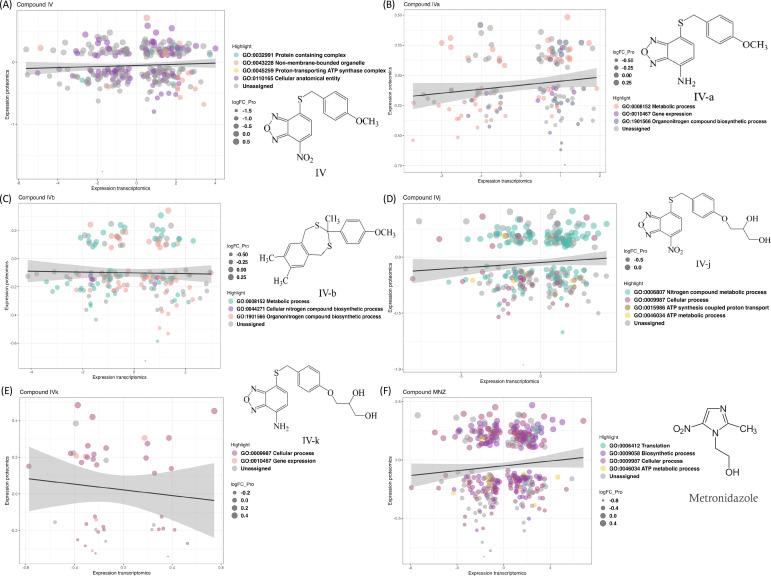
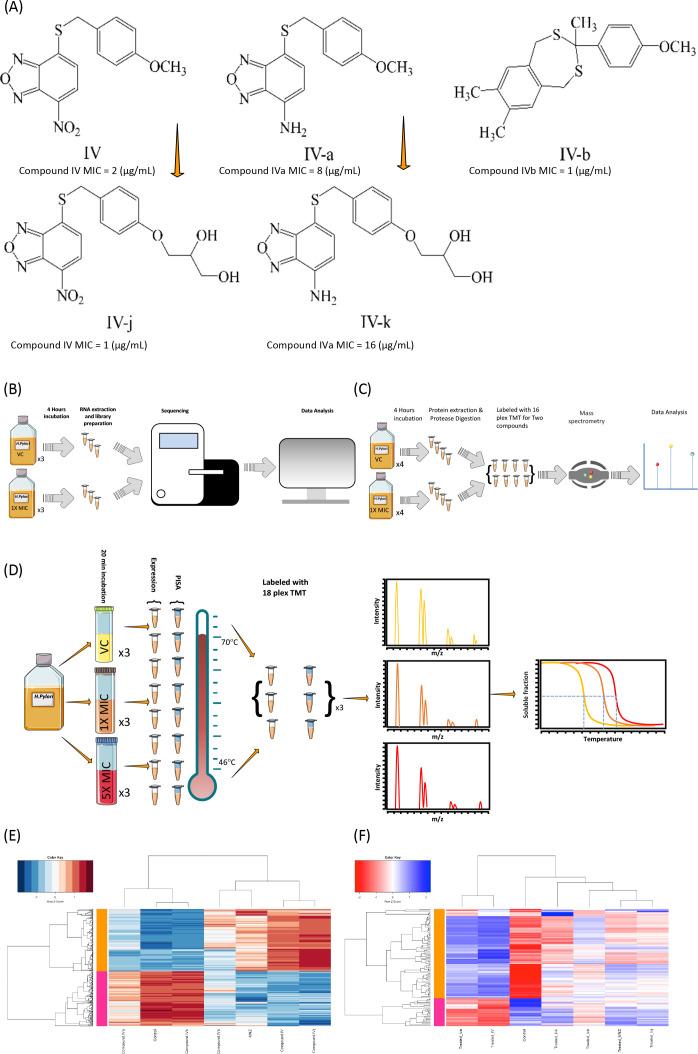
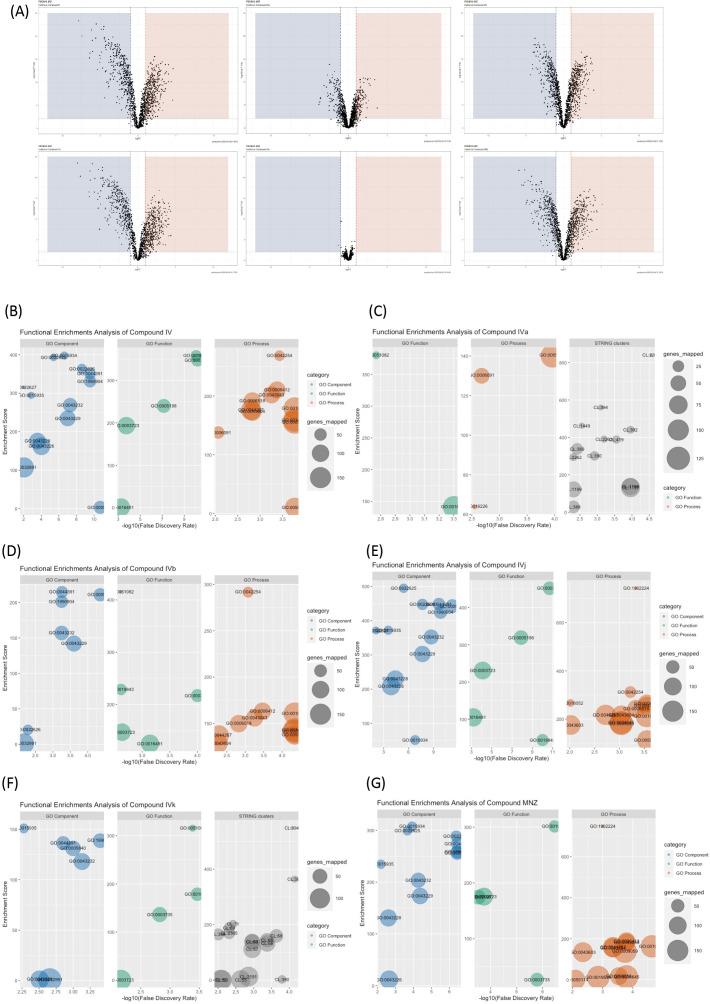
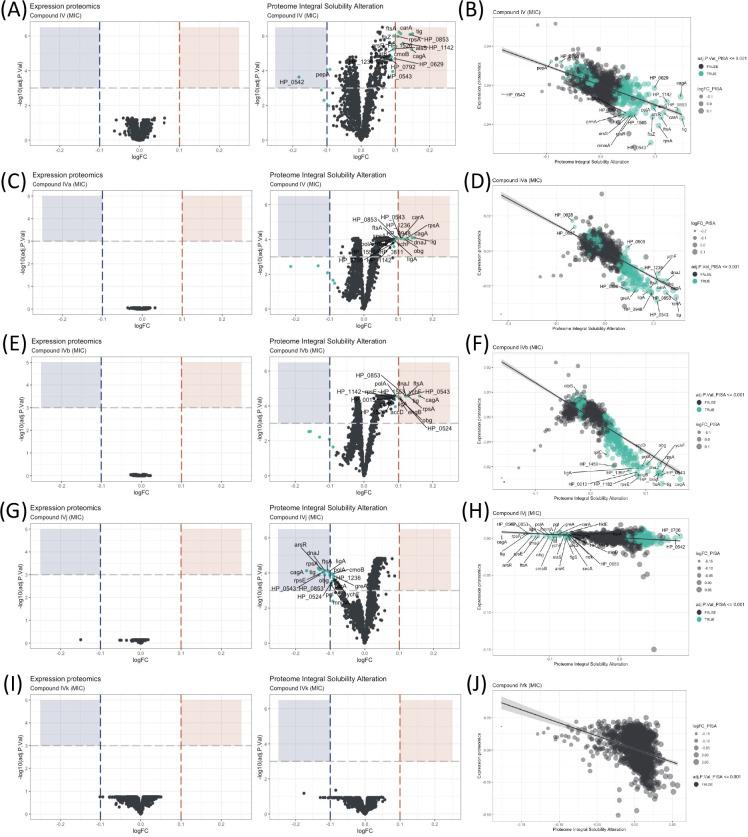
Antimicrobial resistance is responsible for an alarming number of deaths, estimated at 5 million per year. To combat priority pathogens, like , the development of novel therapies is of utmost importance. Understanding the molecular alterations induced by medications is critical for the design of multi-targeting treatments capable of eradicating the infection and mitigating its pathogenicity. However, the application of bulk omics approaches for unraveling drug molecular mechanisms of action is limited by their inability to discriminate between target-specific modifications and off-target effects. This study introduces a multi-omics method to overcome the existing limitation. For the first time, the Proteome Integral Solubility Alteration (PISA) assay is utilized in bacteria in the PISA-Express format to link proteome solubility with different and potentially immediate responses to drug treatment, enabling us the resolution to understand target-specific modifications and off-target effects. This study introduces a comprehensive method for understanding drug mechanisms and optimizing the development of multi-targeting antimicrobial therapies.
抗菌药物耐药性每年导致约 500 万人死亡,令人震惊。为了对抗优先病原体,如 ,开发新型疗法至关重要。了解药物引起的分子变化对于设计能够根除感染并减轻其致病性的多靶点治疗方法至关重要。然而,批量组学方法在揭示药物作用的分子机制方面的应用受到限制,因为它们无法区分针对特定目标的修饰和非目标效应。本研究介绍了一种克服现有局限性的多组学方法。首次在 PISA-Express 格式下将 Proteome Integral Solubility Alteration(PISA)测定法应用于细菌中,将蛋白质组溶解度与药物治疗的不同且可能立即的反应联系起来,使我们能够解析针对特定目标的修饰和非目标效应。本研究介绍了一种全面的方法来了解药物机制并优化多靶点抗菌治疗的开发。






 Zotero 插件