
塑料生物降解的生化机制。
The biochemical mechanisms of plastic biodegradation.
作者信息
Gates Ethan G, Crook Nathan
机构信息
Chemical and Biomolecular Engineering, North Carolina State University, Raleigh, NC 27606, United States.
出版信息
FEMS Microbiol Rev. 2024 Nov 23;48(6). doi: 10.1093/femsre/fuae027.
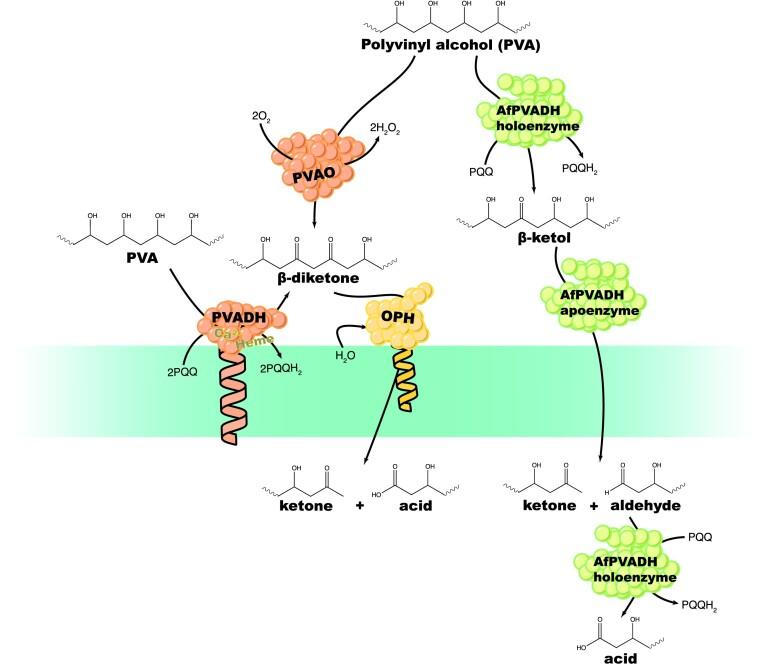
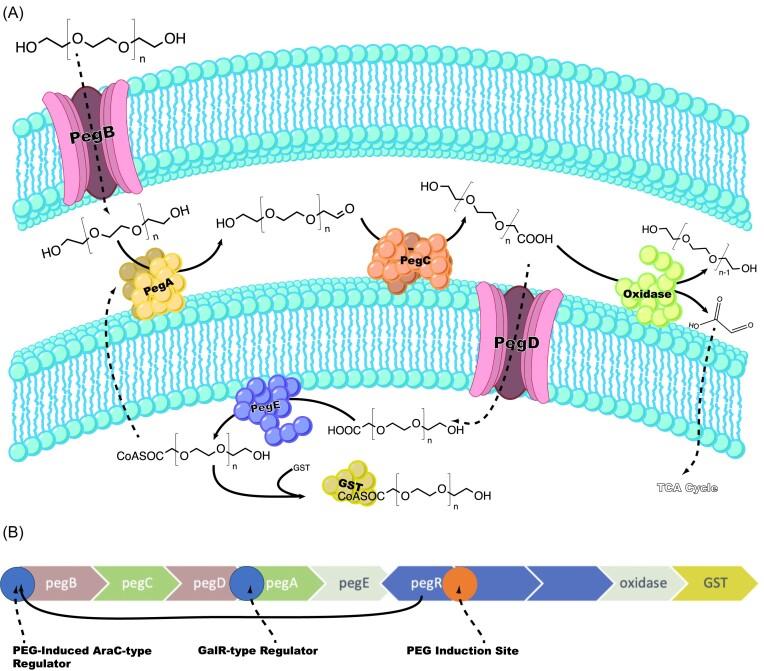
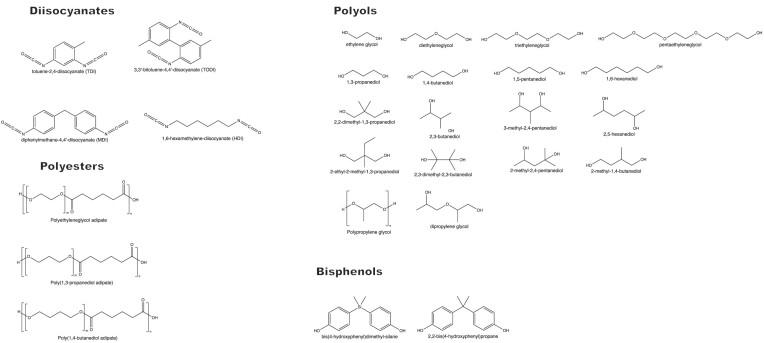
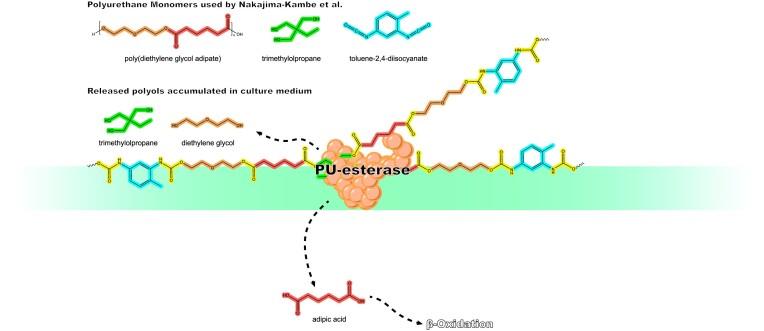
Since the invention of the first synthetic plastic, an estimated 12 billion metric tons of plastics have been manufactured, 70% of which was produced in the last 20 years. Plastic waste is placing new selective pressures on humans and the organisms we depend on, yet it also places new pressures on microorganisms as they compete to exploit this new and growing source of carbon. The limited efficacy of traditional recycling methods on plastic waste, which can leach into the environment at low purity and concentration, indicates the utility of this evolving metabolic activity. This review will categorize and discuss the probable metabolic routes for each industrially relevant plastic, rank the most effective biodegraders for each plastic by harmonizing and reinterpreting prior literature, and explain the experimental techniques most often used in plastic biodegradation research, thus providing a comprehensive resource for researchers investigating and engineering plastic biodegradation.
自第一种合成塑料发明以来,估计已生产了120亿吨塑料,其中70%是在过去20年生产的。塑料垃圾正在给人类以及我们所依赖的生物带来新的选择压力,但在微生物竞相利用这一不断增长的新碳源时,它也给微生物带来了新的压力。传统回收方法对塑料垃圾的效果有限,这些垃圾会以低纯度和低浓度渗入环境,这表明了这种不断演变的代谢活动的作用。本综述将对每种与工业相关的塑料的可能代谢途径进行分类和讨论,通过协调和重新解读先前的文献,对每种塑料最有效的生物降解剂进行排名,并解释塑料生物降解研究中最常用的实验技术,从而为研究和设计塑料生物降解的研究人员提供全面的资源。






 Zotero 插件