
干旱地区可持续作物生产的精准农业与水资源保护策略
Precision Agriculture and Water Conservation Strategies for Sustainable Crop Production in Arid Regions.
作者信息
Xing Yingying, Wang Xiukang
机构信息
Key Laboratory of Applied Ecology of Loess Plateau, College of Life Science, Yan'an University, Yan'an 716000, China.
出版信息
Plants (Basel). 2024 Nov 13;13(22):3184. doi: 10.3390/plants13223184.
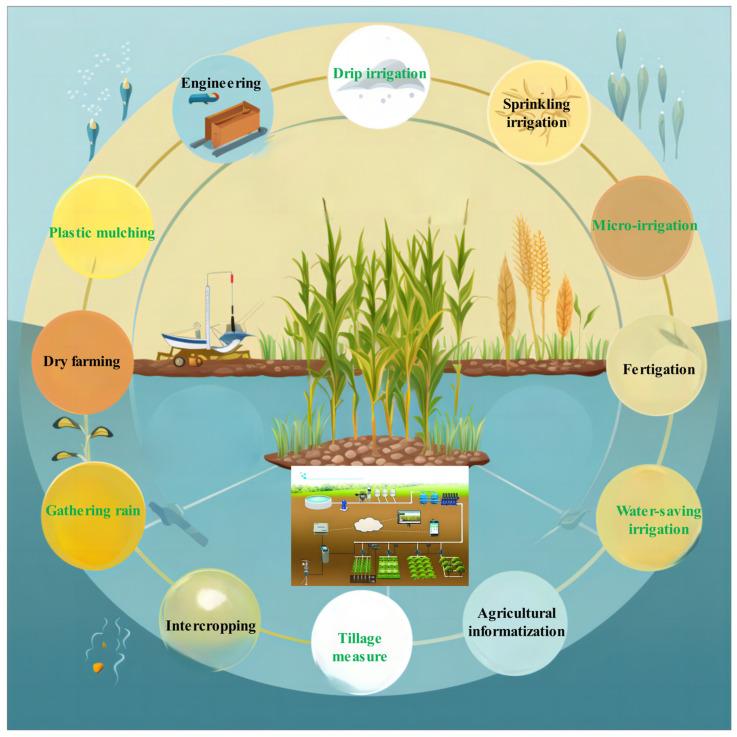
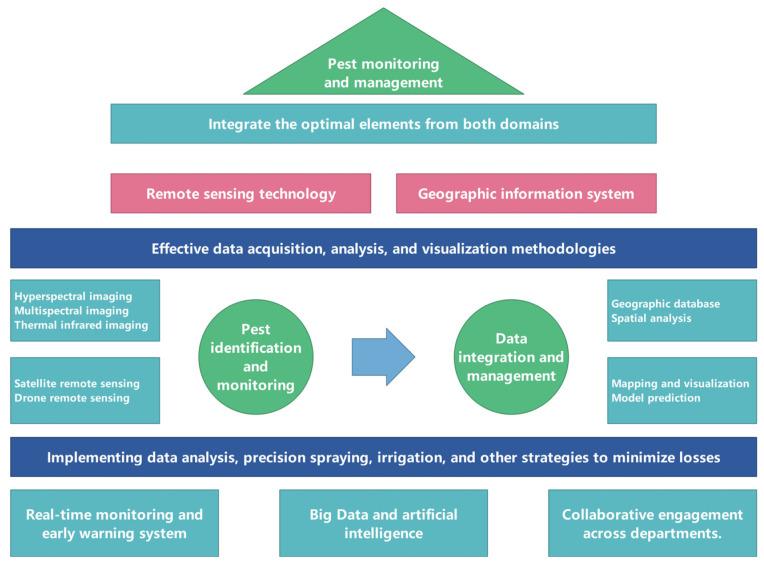
The intensifying challenges posed by global climate change and water scarcity necessitate enhancements in agricultural productivity and sustainability within arid regions. This review synthesizes recent advancements in genetic engineering, molecular breeding, precision agriculture, and innovative water management techniques aimed at improving crop drought resistance, soil health, and overall agricultural efficiency. By examining cutting-edge methodologies, such as CRISPR/Cas9 gene editing, marker-assisted selection (MAS), and omics technologies, we highlight efforts to manipulate drought-responsive genes and consolidate favorable agronomic traits through interdisciplinary innovations. Furthermore, we explore the potential of precision farming technologies, including the Internet of Things (IoT), remote sensing, and smart irrigation systems, to optimize water utilization and facilitate real-time environmental monitoring. The integration of genetic, biotechnological, and agronomic approaches demonstrates a significant potential to enhance crop resilience against abiotic and biotic stressors while improving resource efficiency. Additionally, advanced irrigation systems, along with soil conservation techniques, show promise for maximizing water efficiency and sustaining soil fertility under saline-alkali conditions. This review concludes with recommendations for a further multidisciplinary exploration of genomics, sustainable water management practices, and precision agriculture to ensure long-term food security and sustainable agricultural development in water-limited environments. By providing a comprehensive framework for addressing agricultural challenges in arid regions, we emphasize the urgent need for continued innovation in response to escalating global environmental pressures.
全球气候变化和水资源短缺带来的挑战日益加剧,这就需要提高干旱地区的农业生产力和可持续性。本综述综合了基因工程、分子育种、精准农业和创新水资源管理技术等方面的最新进展,旨在提高作物抗旱性、土壤健康状况和整体农业效率。通过研究诸如CRISPR/Cas9基因编辑、标记辅助选择(MAS)和组学技术等前沿方法,我们强调了通过跨学科创新来操纵干旱响应基因和巩固有利农艺性状的努力。此外,我们还探讨了精准农业技术的潜力,包括物联网(IoT)、遥感和智能灌溉系统,以优化水资源利用并促进实时环境监测。基因、生物技术和农艺方法的整合显示出在提高作物对非生物和生物胁迫的抵御能力的同时提高资源效率的巨大潜力。此外,先进的灌溉系统以及土壤保护技术有望在盐碱条件下最大限度地提高水资源利用效率并维持土壤肥力。本综述最后提出了一些建议,以进一步对基因组学、可持续水资源管理实践和精准农业进行多学科探索,以确保在水资源有限的环境中实现长期粮食安全和可持续农业发展。通过提供一个应对干旱地区农业挑战的全面框架,我们强调了迫切需要持续创新以应对不断升级的全球环境压力。


 Zotero 插件