
一种用于攀爬塔架的辅助髋关节外骨骼的设计与应用
The Design and Application of an Assistive Hip Joint Exoskeleton for Tower Climbing.
作者信息
Li Ming, Yin Hong, Yang Zhan, Hu Hongwei, Chen Haoyuan, Fu Zhijun, Yang Xiao, Guo Zhao
机构信息
State Grid Hubei Electric Power Co., Ltd., Extra High Voltage Company, Wuhan 430050, China.
School of Power and Mechanical Engineering, Wuhan University, Wuhan 430072, China.
出版信息
Sensors (Basel). 2024 Nov 25;24(23):7513. doi: 10.3390/s24237513.
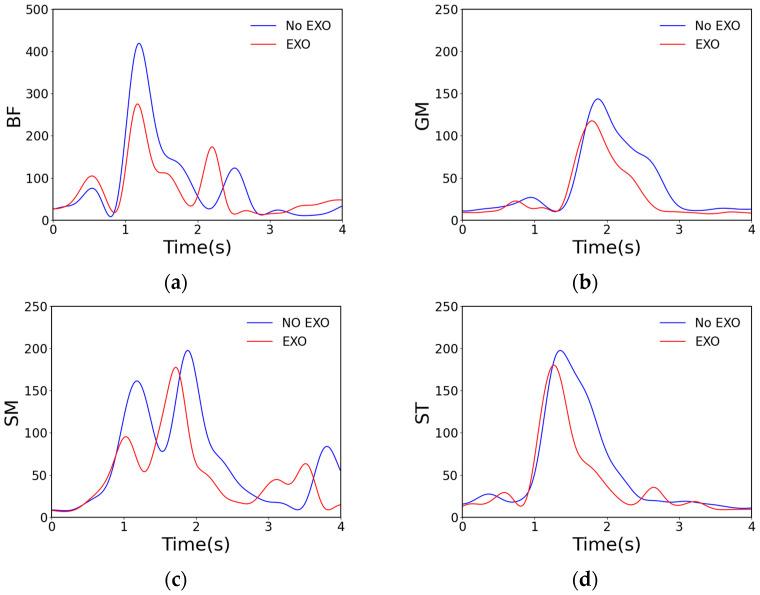
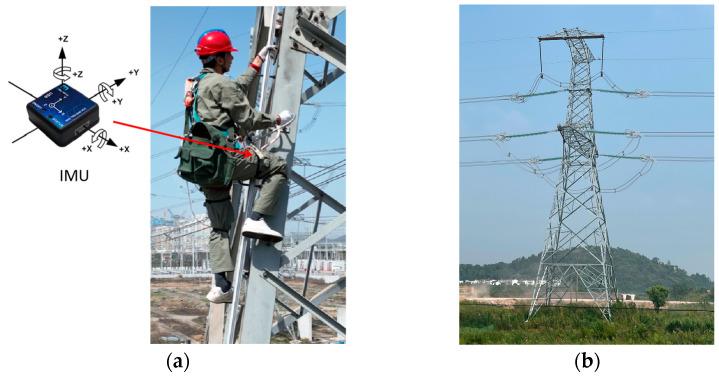
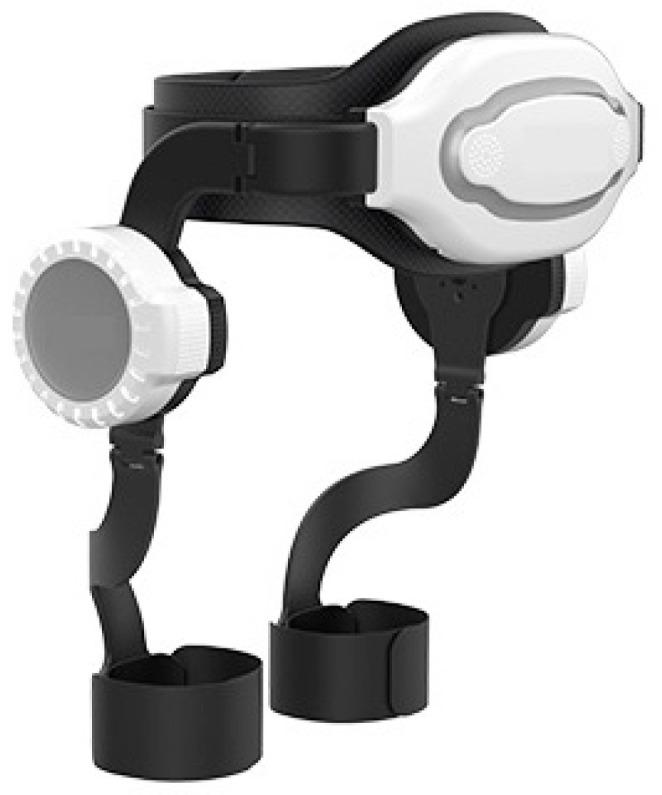
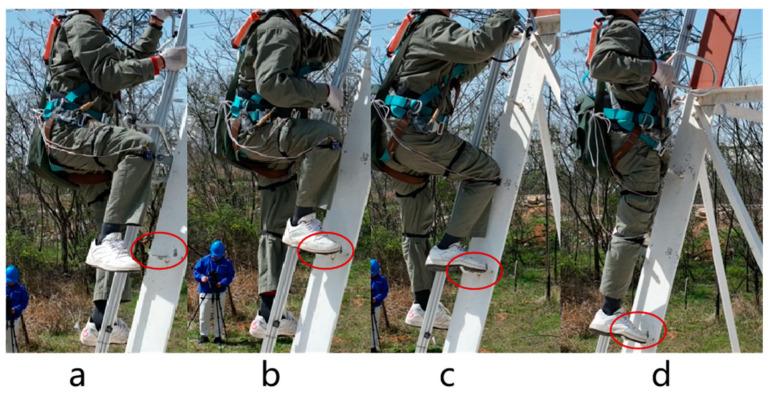
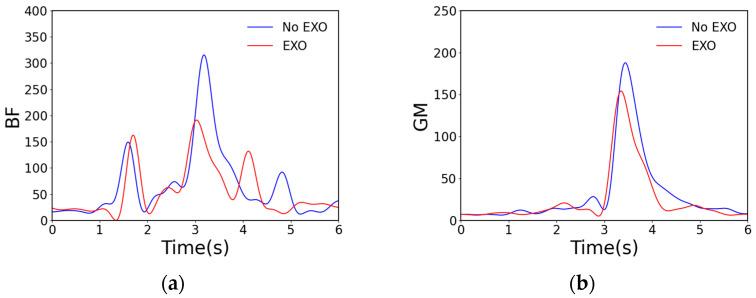
In order to ensure the safety of maintenance personnel during tower climbing and improve the efficiency of power maintenance work, this study designed an assistive hip joint exoskeleton robot and analyzed the kinematic data obtained from tower climbers during the climbing process. A neural-network-based assistive control algorithm for tower climbing was created, and a tower climbing experiment was conducted with volunteers. The surface electromyographic (sEMG) signals of four muscles, namely the biceps femoris (BF), gluteus maximus (GM), semimembranosus (SM), and semitendinosus (ST), were collected to evaluate the performance of the robot. The experimental results show that the exoskeleton robot could reduce the root mean square (RMS) values of the sEMG signals of the main force-generating muscles related to the hip joint. This suggests that the robot can effectively assist personnel in tower climbing operations.
为确保检修人员在登塔过程中的安全并提高电力检修工作效率,本研究设计了一种辅助髋关节外骨骼机器人,并分析了登塔人员在攀爬过程中获取的运动学数据。创建了一种基于神经网络的登塔辅助控制算法,并与志愿者进行了登塔实验。采集了股二头肌(BF)、臀大肌(GM)、半膜肌(SM)和半腱肌(ST)这四块肌肉的表面肌电(sEMG)信号,以评估机器人的性能。实验结果表明,外骨骼机器人可以降低与髋关节相关的主要发力肌肉的sEMG信号均方根(RMS)值。这表明该机器人能够有效协助人员进行登塔作业。



 Zotero 插件