
PA-X宿主关闭位点100V对高致病性甲型H7N9流感病毒在小鼠和鸡体内的病毒适应性产生相反的影响。
The PA-X host shutoff site 100 V exerts a contrary effect on viral fitness of the highly pathogenic H7N9 influenza A virus in mice and chickens.
作者信息
Chen Xia, Kong Ming, Ma Chunxi, Zhang Manyu, Hu Zenglei, Gu Min, Wang Xiaoquan, Gao Ruyi, Hu Shunlin, Chen Yu, Liu Xiaowen, Peng Daxin, Liu Xiufan, Hu Jiao
机构信息
Key Laboratory of Avian Bioproducts Development, Ministry of Agriculture and Rural Affairs, Yangzhou, China.
Jiangsu Co-Innovation Center for Prevention and Control of Important Animal Infectious Diseases and Zoonosis, Yangzhou University, Yangzhou, Jiangsu, China.
出版信息
Virulence. 2025 Dec;16(1):2445238. doi: 10.1080/21505594.2024.2445238. Epub 2024 Dec 28.
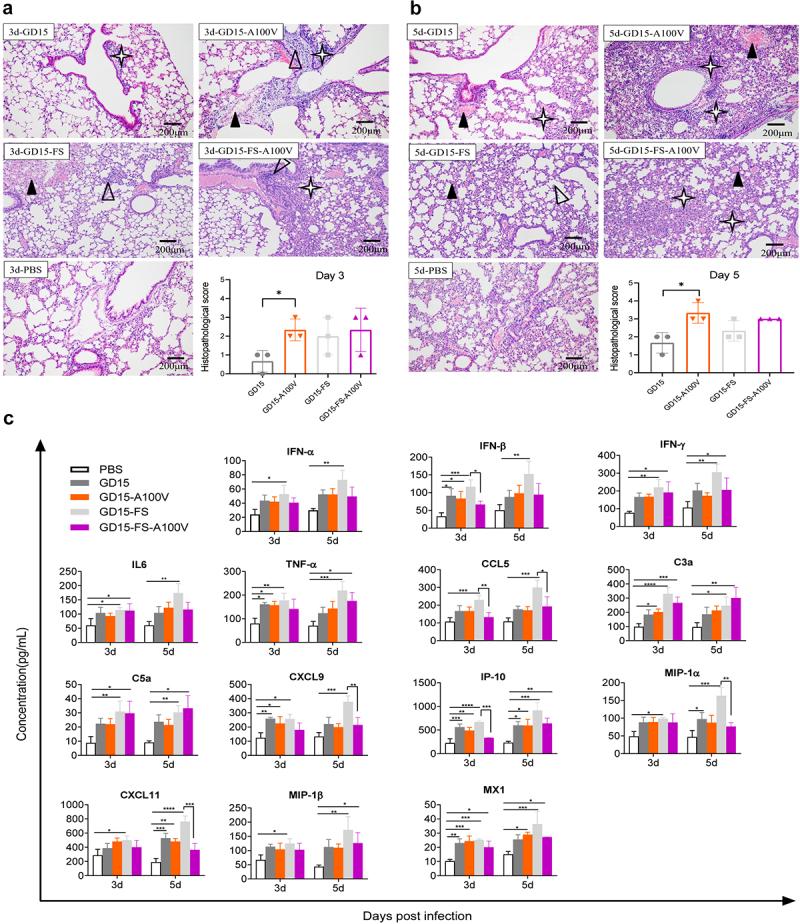
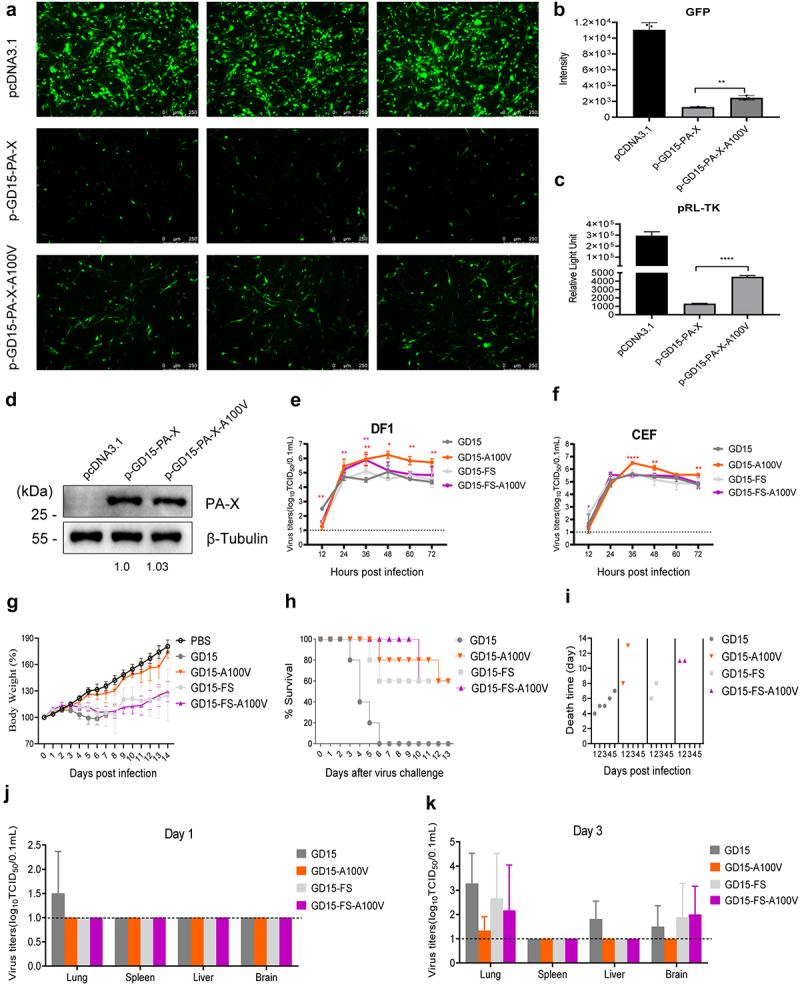
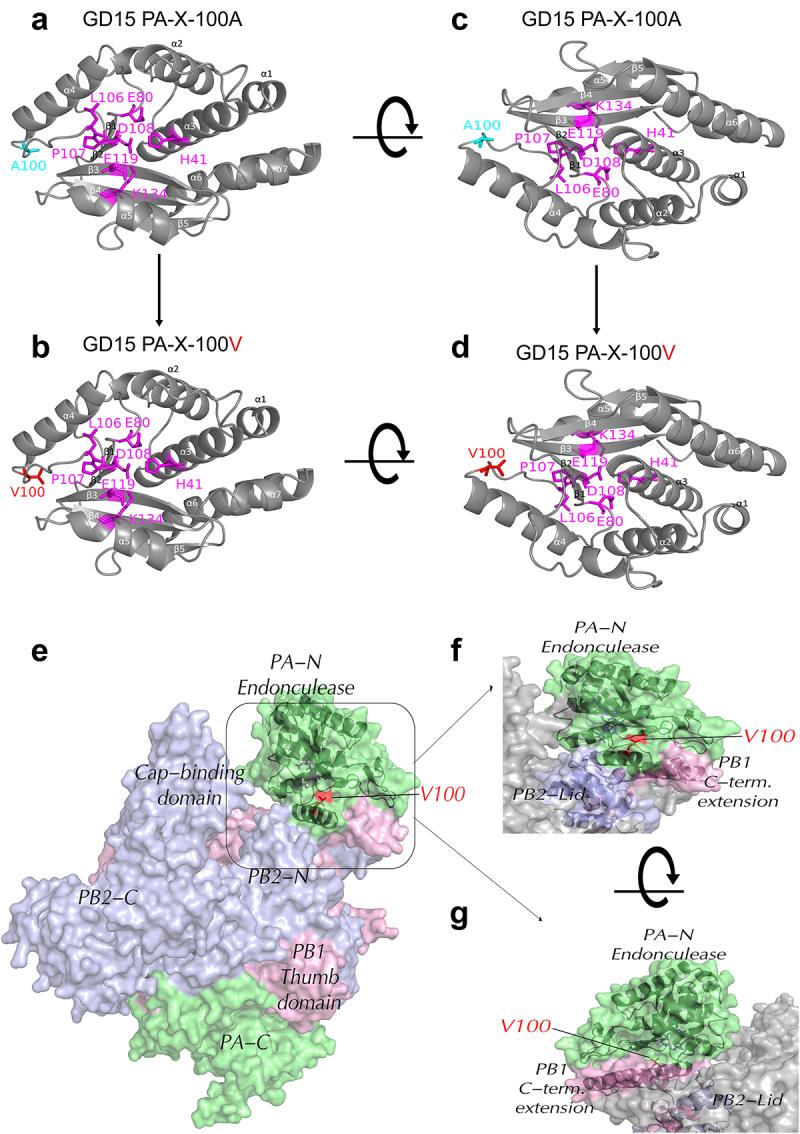
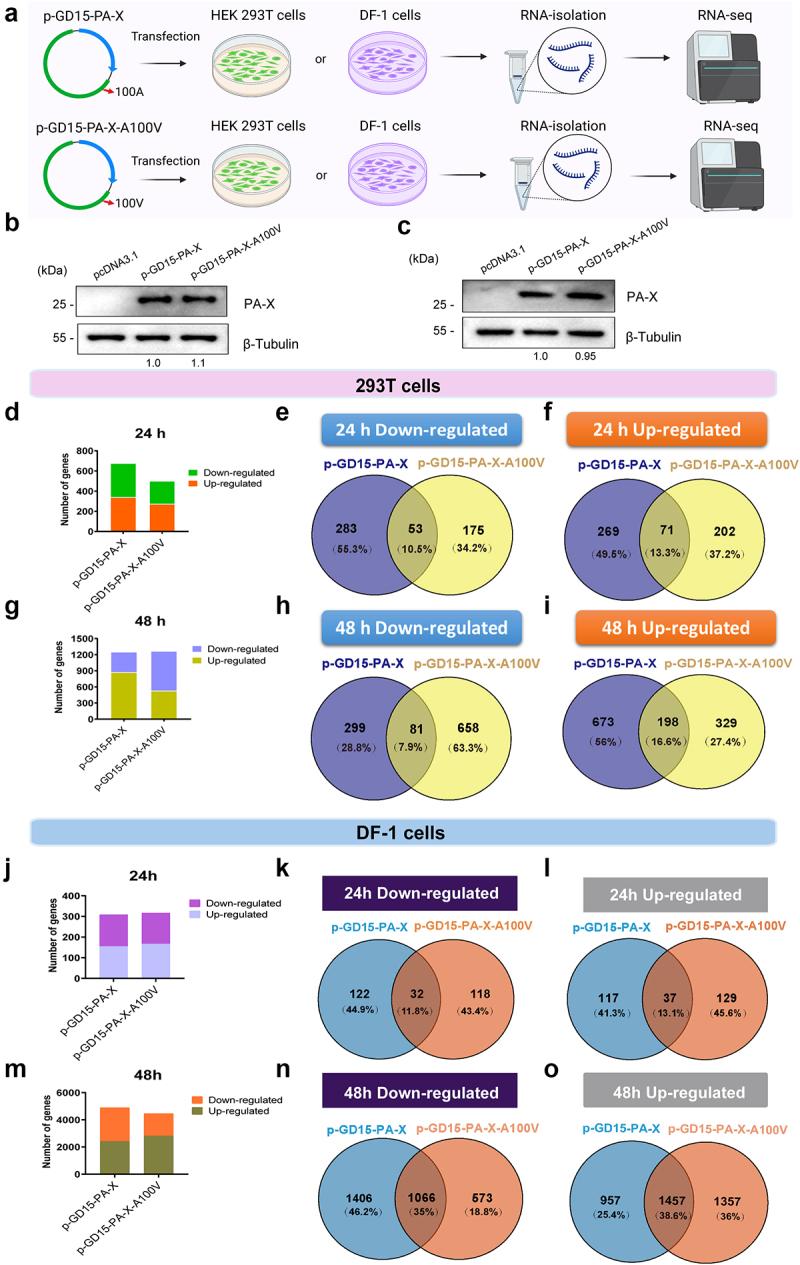
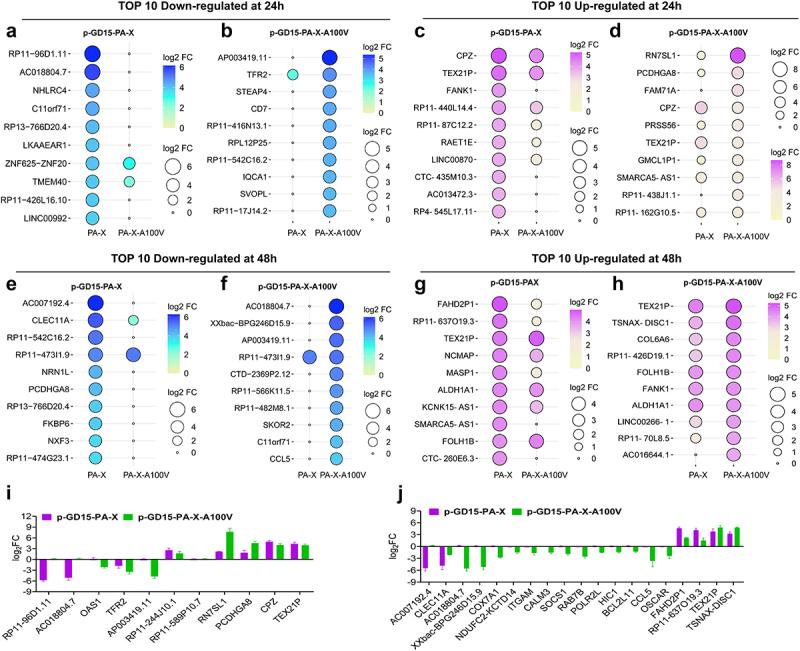
Several viruses, including influenza A virus (IAV), encode viral factors to hijack cellular RNA biogenesis processes to direct the degradation of host mRNAs, termed "host shutoff." Host shutoff enables viruses to simultaneously reduce antiviral responses and provides preferential access for viral mRNAs to cellular translation machinery. IAV PA-X is one of these factors that selectively shuts off the global host genes. However, the specific role of PA-X host shutoff activity in viral fitness of IAV remains poorly understood. Herein, we successfully mapped PA-X 100 V as a novel site important for host shutoff of the H7N9 and H5N1 viruses. By analysing the polymorphism of this residue in various subtype viruses, we found that PA-X 100 was highly variable in H7N9 viruses. Structural analysis revealed that 100 V was generally close to the PA-X endonuclease active site, which may account for its host shutoff activity. By generating the corresponding mutant viruses derived from the parental H7N9 virus and the PA-X-deficient H7N9 virus, we determined that PA-X 100 V significantly enhanced viral fitness in mice while diminishing viral virulence in chickens. Mechanistically, PA-X 100 V significantly increased viral polymerase activity and viral replication in mammalian cells. Furthermore, PA-X 100 V highly blunted the global host response in 293T cells, particularly restraining genes involved in energy metabolism and inflammatory response. Collectively, our data provided information about the intricate role of the PA-X host shutoff site in regulating the viral fitness of the H7N9 influenza virus, which furthers our understanding of the complicated pathogenesis of the influenza A virus.
包括甲型流感病毒(IAV)在内的多种病毒编码病毒因子,以劫持细胞RNA生物合成过程来指导宿主mRNA的降解,这一过程被称为“宿主关闭”。宿主关闭使病毒能够同时降低抗病毒反应,并为病毒mRNA提供优先进入细胞翻译机制的机会。IAV的PA-X就是这些能够选择性关闭全球宿主基因的因子之一。然而,PA-X宿主关闭活性在IAV病毒适应性中的具体作用仍知之甚少。在此,我们成功地将PA-X 100V定位为对H7N9和H5N1病毒宿主关闭至关重要的新位点。通过分析该残基在各种亚型病毒中的多态性,我们发现PA-X 100在H7N9病毒中高度可变。结构分析表明,100V通常靠近PA-X核酸内切酶活性位点,这可能解释了其宿主关闭活性。通过从亲本H7N9病毒和PA-X缺陷型H7N9病毒产生相应的突变病毒,我们确定PA-X 100V显著增强了病毒在小鼠中的适应性,同时降低了病毒在鸡中的毒力。从机制上讲,PA-X 100V显著增加了病毒聚合酶活性和在哺乳动物细胞中的病毒复制。此外,PA-X 100V极大地减弱了293T细胞中的整体宿主反应,特别是抑制了参与能量代谢和炎症反应的基因。总的来说,我们的数据提供了关于PA-X宿主关闭位点在调节H7N9流感病毒病毒适应性中复杂作用的信息,这进一步加深了我们对甲型流感病毒复杂发病机制的理解。






 Zotero 插件