
从多组学到预测性生物标志物:肿瘤微环境中的人工智能
From multi-omics to predictive biomarker: AI in tumor microenvironment.
作者信息
Hai Luo, Jiang Ziming, Zhang Haoxuan, Sun Yingli
机构信息
Central Laboratory, National Cancer Center/National Clinical Research Center for Cancer/Cancer Hospital & Shenzhen Hospital, Chinese Academy of Medical Sciences and Peking Union Medical College, Shenzhen, China.
Shenzhen Key Laboratory of Epigenetics and Precision Medicine for Cancers, National Cancer Center/National Clinical Research Center for Cancer/Cancer Hospital & Shenzhen Hospital, Chinese Academy of Medical Sciences and Peking Union Medical College, Shenzhen, China.
出版信息
Front Immunol. 2024 Dec 23;15:1514977. doi: 10.3389/fimmu.2024.1514977. eCollection 2024.
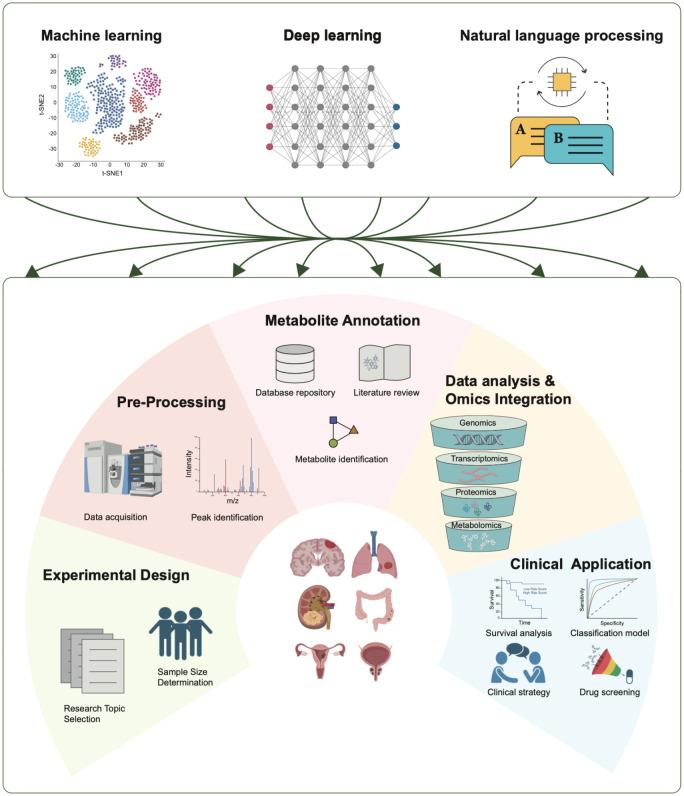
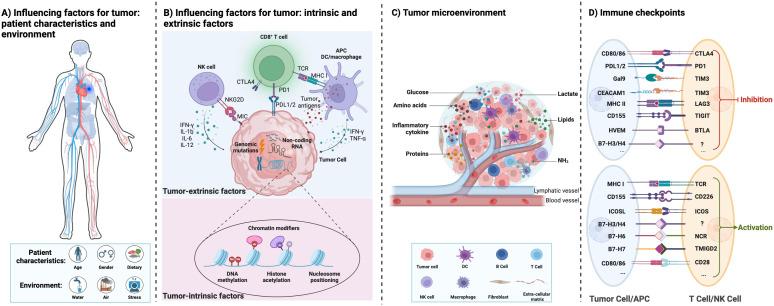
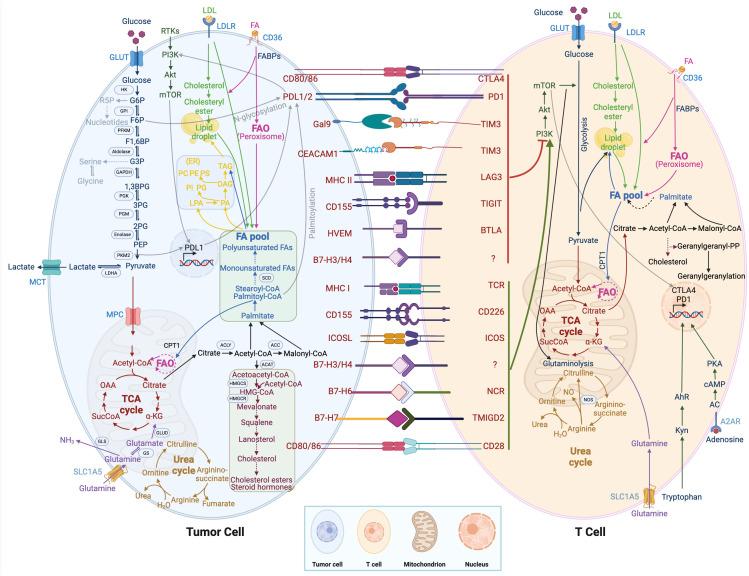
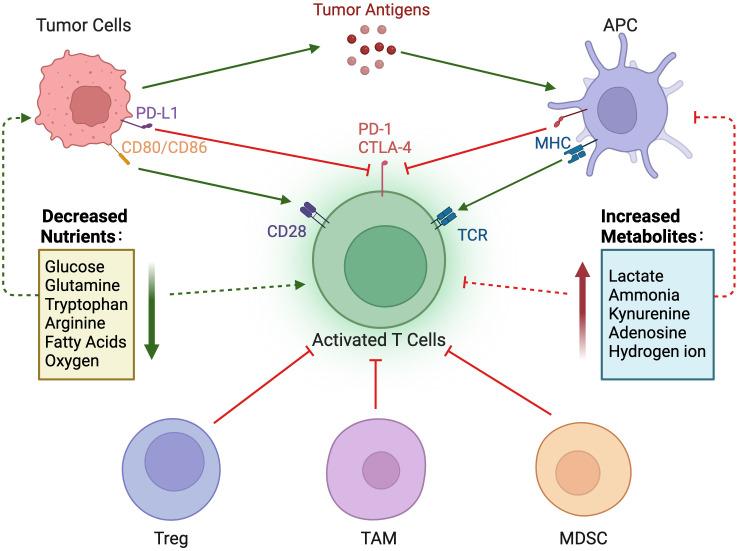
In recent years, tumors have emerged as a major global health threat. An increasing number of studies indicate that the production, development, metastasis, and elimination of tumor cells are closely related to the tumor microenvironment (TME). Advances in artificial intelligence (AI) algorithms, particularly in large language models, have rapidly propelled research in the medical field. This review focuses on the current state and strategies of applying AI algorithms to tumor metabolism studies and explores expression differences between tumor cells and normal cells. The analysis is conducted from the perspectives of metabolomics and interactions within the TME, further examining the roles of various cytokines. This review describes the potential approaches through which AI algorithms can facilitate tumor metabolic studies, which offers a valuable perspective for a deeper understanding of the pathological mechanisms of tumors.
近年来,肿瘤已成为全球主要的健康威胁。越来越多的研究表明,肿瘤细胞的产生、发展、转移和清除与肿瘤微环境(TME)密切相关。人工智能(AI)算法的进展,尤其是大语言模型的进展,迅速推动了医学领域的研究。本综述重点关注将AI算法应用于肿瘤代谢研究的现状和策略,并探讨肿瘤细胞与正常细胞之间的表达差异。分析从代谢组学和TME内相互作用的角度进行,进一步研究各种细胞因子的作用。本综述描述了AI算法促进肿瘤代谢研究的潜在方法,为更深入理解肿瘤的病理机制提供了有价值的视角。

 Zotero 插件