
通过诊断核医学中靶向成纤维细胞活化蛋白揭示肿瘤微环境:关于生物学原理和关键显像剂的教学综述
Unveiling the Tumor Microenvironment Through Fibroblast Activation Protein Targeting in Diagnostic Nuclear Medicine: A Didactic Review on Biological Rationales and Key Imaging Agents.
作者信息
Fouillet Juliette, Torchio Jade, Rubira Léa, Fersing Cyril
机构信息
Nuclear Medicine Department, Institut Régional du Cancer de Montpellier (ICM), University Montpellier, 34090 Montpellier, France.
IBMM, University Montpellier, CNRS, ENSCM, 34293 Montpellier, France.
出版信息
Biology (Basel). 2024 Nov 24;13(12):967. doi: 10.3390/biology13120967.
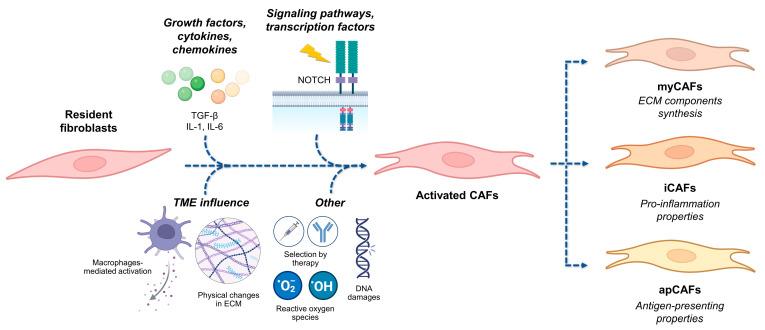
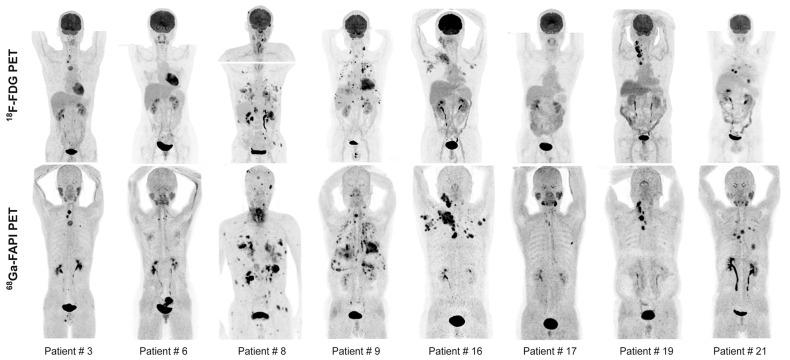
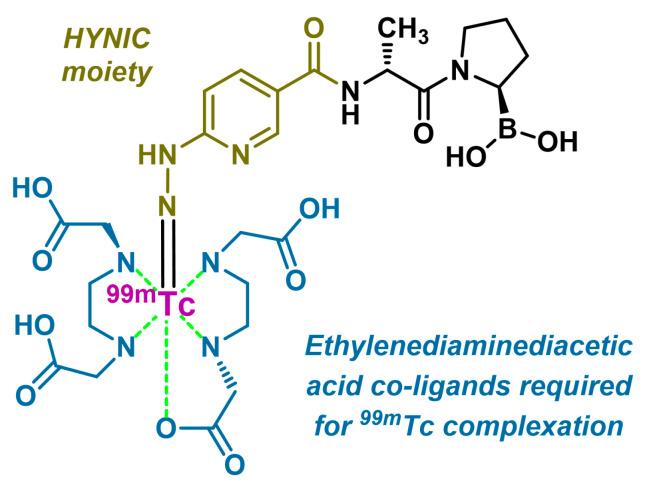
The tumor microenvironment (TME) is a dynamic and complex medium that plays a central role in cancer progression, metastasis, and treatment resistance. Among the key elements of the TME, cancer-associated fibroblasts (CAFs) are particularly important for their ability to remodel the extracellular matrix, promote angiogenesis, and suppress anti-tumor immune responses. Fibroblast activation protein (FAP), predominantly expressed by CAFs, has emerged as a promising target in both cancer diagnostics and therapeutics. In nuclear medicine, targeting FAP offers new opportunities for non-invasive imaging using radiolabeled fibroblast activation protein inhibitors (FAPIs). These FAP-specific radiotracers have demonstrated excellent tumor detection properties compared to traditional radiopharmaceuticals such as [F]FDG, especially in cancers with low metabolic activity, like liver and biliary tract tumors. The most recent FAPI derivatives not only enhance the accuracy of positron emission tomography (PET) imaging but also hold potential for theranostic applications by delivering targeted radionuclide therapies. This review examines the biological underpinnings of FAP in the TME, the design of FAPI-based imaging agents, and their evolving role in cancer diagnostics, highlighting the potential of FAP as a target for precision oncology.
肿瘤微环境(TME)是一种动态且复杂的介质,在癌症进展、转移和治疗耐药性中起着核心作用。在TME的关键要素中,癌症相关成纤维细胞(CAFs)因其重塑细胞外基质、促进血管生成和抑制抗肿瘤免疫反应的能力而尤为重要。主要由CAFs表达的成纤维细胞活化蛋白(FAP)已成为癌症诊断和治疗中有前景的靶点。在核医学中,靶向FAP为使用放射性标记的成纤维细胞活化蛋白抑制剂(FAPIs)进行非侵入性成像提供了新机会。与传统放射性药物如[F]FDG相比,这些FAP特异性放射性示踪剂已显示出优异的肿瘤检测特性,特别是在代谢活性低的癌症中,如肝脏和胆道肿瘤。最新的FAPI衍生物不仅提高了正电子发射断层扫描(PET)成像的准确性,还通过提供靶向放射性核素疗法在诊疗应用方面具有潜力。本综述探讨了TME中FAP的生物学基础、基于FAPI的成像剂的设计及其在癌症诊断中不断演变的作用,突出了FAP作为精准肿瘤学靶点的潜力。










 Zotero 插件