
泛素化和去泛素化系统在脓毒症诱导的心肌功能障碍中的病理作用。
Pathological roles of ubiquitination and deubiquitination systems in sepsis-induced myocardial dysfunction.
作者信息
Wang Zhiping, Sun Simiao, Huang Lili, Chen Xinlong, Xu Huifen, Ma Hongwei, Xiao Mingbing, Wang Linhua
机构信息
Department of Critical Care Medicine, Affiliated Hospital of Nantong University, Medical school of Nantong University, Jiangsu, China; Fourth People's Hospital, Jiangsu, China.
Department of Critical Care Medicine, Affiliated Hospital of Nantong University, Medical school of Nantong University, Jiangsu, China.
出版信息
Biomol Biomed. 2025 May 8;25(7):1444-1458. doi: 10.17305/bb.2024.11738.
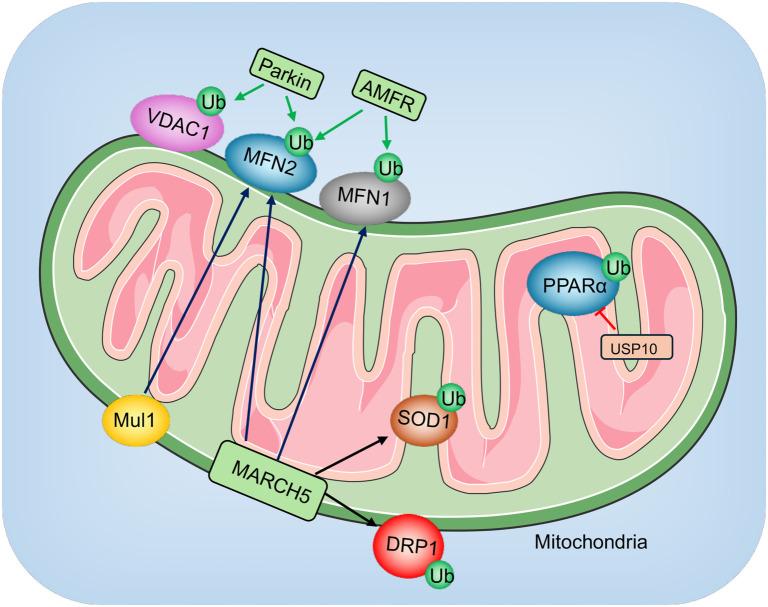
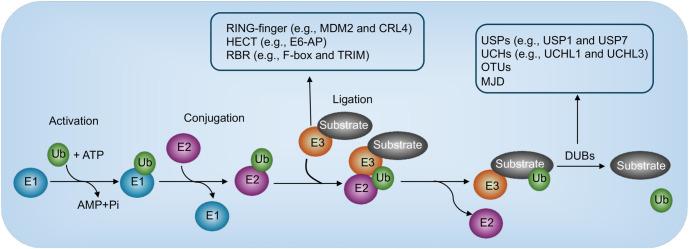
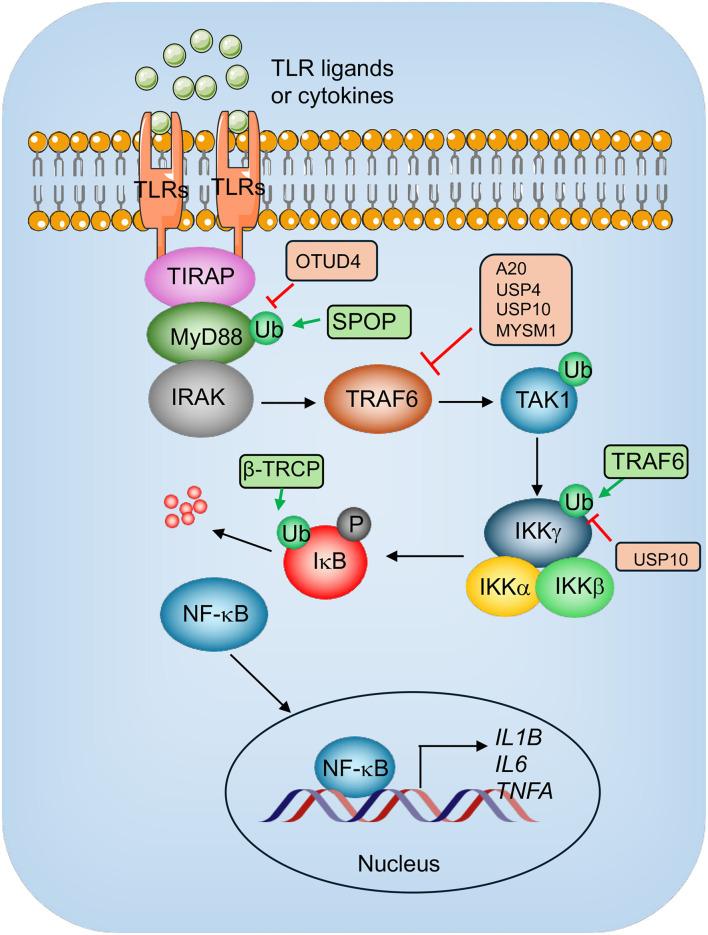
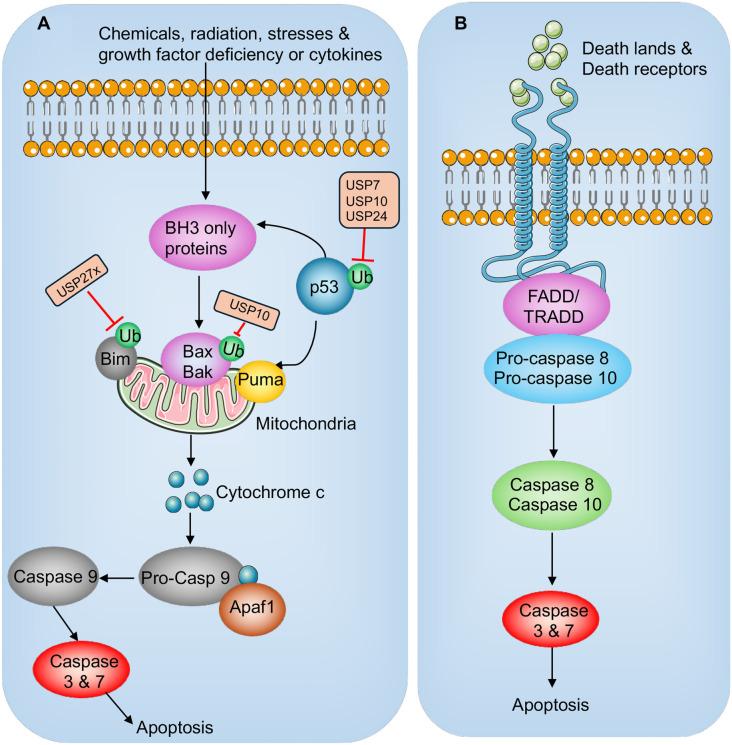
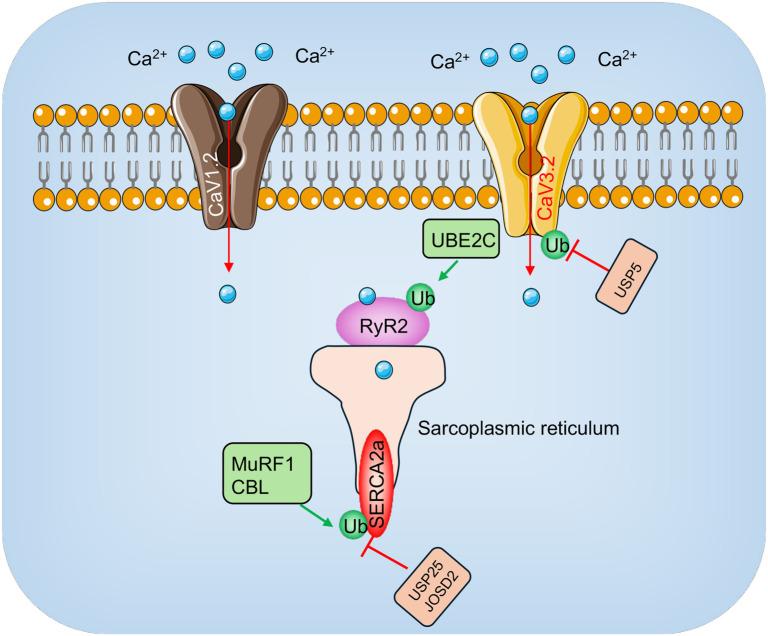
Sepsis-induced myocardial dysfunction (SIMD) is a severe complication of sepsis, characterized by impaired cardiac function and high mortality rates. Despite significant advances in understanding sepsis pathophysiology, the molecular mechanisms underlying SIMD remain incompletely elucidated. Ubiquitination and deubiquitination, critical post-translational modifications (PTMs) regulating protein stability, localization, and activity, play pivotal roles in cellular processes, such as inflammation, apoptosis, mitochondrial function, and calcium handling. Dysregulation of these systems has been increasingly implicated in the pathogenesis of SIMD. This review provides a comprehensive overview of the pathological mechanisms driving SIMD, with a focus on the classification and functions of E3 ubiquitin ligases and deubiquitinating enzymes (DUBs), their regulatory systems, and their involvement in SIMD. Dysfunction of the ubiquitin-proteasome system (UPS), often driven by altered activity of E3 ligases, accelerates the degradation of critical regulatory proteins, thereby exacerbating cardiac inflammation, oxidative stress, and apoptosis. Concurrently, imbalances in DUB activity disrupt protein homeostasis, further amplifying myocardial injury. Emerging research underscores the therapeutic potential of targeting these systems. Strategies aimed at modulating E3 ligase activity or restoring DUB balance have shown promise in preclinical studies. This review summarizes current findings on the roles of ubiquitination and deubiquitination in SIMD pathogenesis, highlights the key challenges in advancing this field, and proposes directions for future research.
脓毒症诱导的心肌功能障碍(SIMD)是脓毒症的一种严重并发症,其特征为心脏功能受损和高死亡率。尽管在脓毒症病理生理学的理解方面取得了重大进展,但SIMD背后的分子机制仍未完全阐明。泛素化和去泛素化是调节蛋白质稳定性、定位和活性的关键翻译后修饰(PTM),在炎症、细胞凋亡、线粒体功能和钙处理等细胞过程中发挥着关键作用。这些系统的失调越来越多地与SIMD的发病机制有关。本综述全面概述了驱动SIMD的病理机制,重点关注E3泛素连接酶和去泛素化酶(DUB)的分类和功能、它们的调节系统以及它们在SIMD中的作用。泛素-蛋白酶体系统(UPS)功能障碍通常由E3连接酶活性改变驱动,加速关键调节蛋白的降解,从而加剧心脏炎症、氧化应激和细胞凋亡。同时,DUB活性失衡破坏蛋白质稳态,进一步放大心肌损伤。新兴研究强调了针对这些系统的治疗潜力。旨在调节E3连接酶活性或恢复DUB平衡的策略在临床前研究中已显示出前景。本综述总结了泛素化和去泛素化在SIMD发病机制中的作用的当前研究结果,突出了该领域进展中的关键挑战,并提出了未来研究的方向。
 Zotero 插件