
体外人角膜内皮细胞损伤模型的建立。
Establishment of an Ex Vivo Human Corneal Endothelium Wound Model.
作者信息
Tsai Meng-Chen, Kureshi Alvena, Daniels Julie T
机构信息
UCL Institute of Ophthalmology, University College London, London, UK.
Centre for 3D Models of Health and Disease, Division of Surgery and Interventional Science, University College London, London, UK.
出版信息
Transl Vis Sci Technol. 2025 Jan 2;14(1):24. doi: 10.1167/tvst.14.1.24.
PURPOSE
A human model able to simulate the manifestation of corneal endothelium decompensation could be advantageous for wound healing and future cell therapy assessment. The study aimed to establish an ex vivo human cornea endothelium wound model where endothelium function can be evaluated by measuring corneal thickness changes.
METHODS
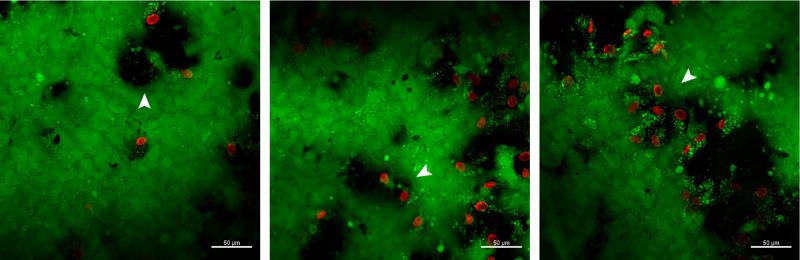
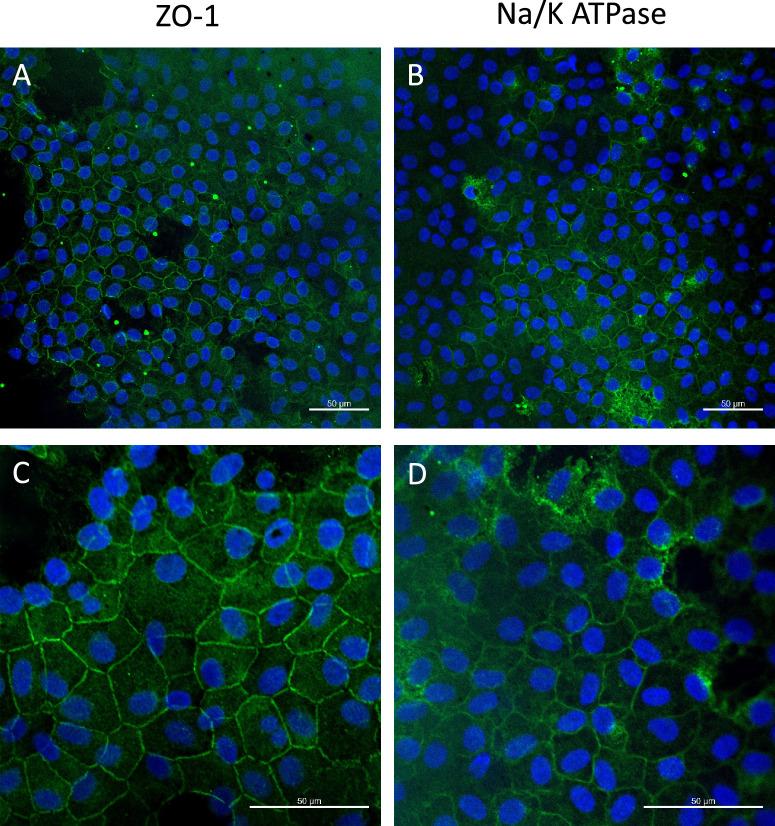
The human cornea was maintained in an artificial anterior chamber, with a continuous culture medium infusion system designed to sustain corneal endothelium and epithelium simultaneously. The corneal thickness was used to assess corneal endothelial cell function. Immunostaining was used to evaluate cell viability and endothelial cell marker expression, ZO-1 and Na/K ATPase.
RESULTS
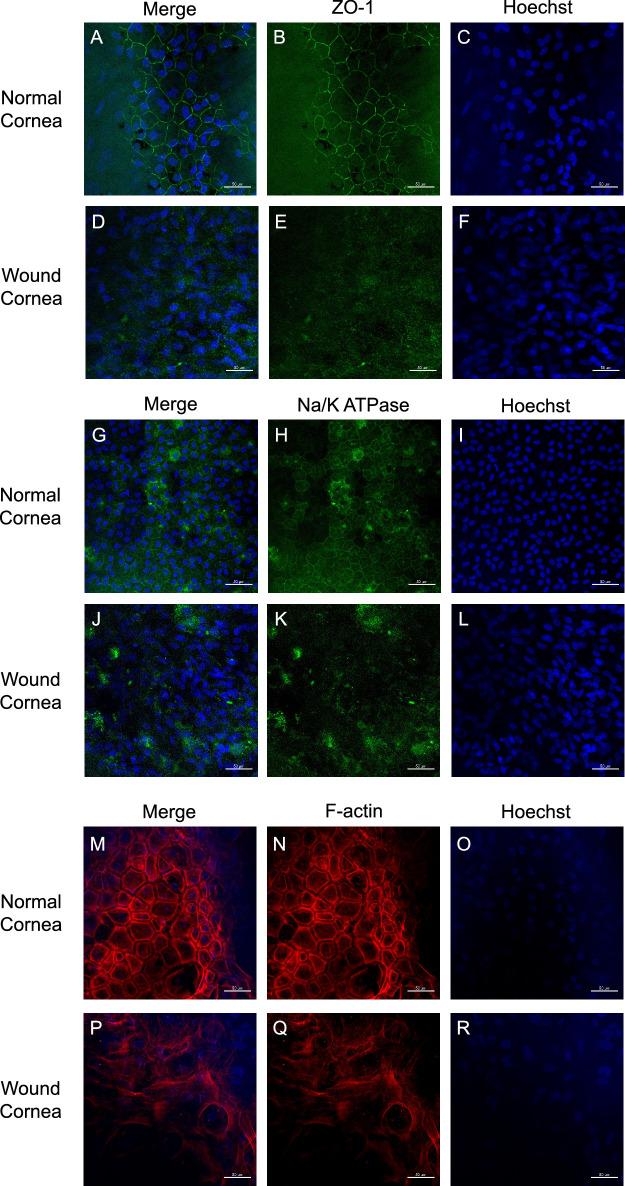
Human corneas with intact corneal endothelium were maintained in the ex vivo model for 28 days, showing normal corneal thickness with a clear and transparent appearance. Corneal endothelial cells were alive and expressed ZO-1 and Na/K ATPase at the end of the organ culture. The endothelium wounded corneas showed persistent corneal edema with an increase in corneal thickness at 654.6 ± 31.7 µm. Staining results showed that no cells migrated to cover the wound and no expression of ZO-1 and Na/K ATPase on the posterior surface of the cornea was found.
CONCLUSIONS
This study provided a novel method to establish an ex vivo human cornea organ culture model, where corneal endothelium function can be evaluated by accessing the corneal thickness.
TRANSLATIONAL RELEVANCE
The ex vivo model established in this study can provide an alternative to the animal model in studying corneal endothelium decompensation.
目的
能够模拟角膜内皮失代偿表现的人体模型,可能有助于伤口愈合及未来细胞治疗评估。本研究旨在建立一种体外人角膜内皮伤口模型,通过测量角膜厚度变化来评估内皮功能。
方法
将人角膜置于人工前房内,采用连续培养基输注系统,以同时维持角膜内皮和上皮细胞的活性。利用角膜厚度评估角膜内皮细胞功能。采用免疫染色法评估细胞活力及内皮细胞标志物ZO-1和钠钾ATP酶的表达。
结果
角膜内皮完整的人角膜在体外模型中维持28天,角膜厚度正常,外观清晰透明。在器官培养结束时,角膜内皮细胞存活,并表达ZO-1和钠钾ATP酶。内皮损伤的角膜出现持续性角膜水肿,角膜厚度增加至654.6±31.7µm。染色结果显示,无细胞迁移至伤口覆盖处,角膜后表面未发现ZO-1和钠钾ATP酶的表达。
结论
本研究提供了一种建立体外人角膜器官培养模型的新方法,可通过测量角膜厚度来评估角膜内皮功能。
转化相关性
本研究建立的体外模型可为研究角膜内皮失代偿提供一种替代动物模型的方法。




 Zotero 插件