
安罗替尼治疗甲状腺癌的疗效与安全性:一项系统评价
The Efficacy and Safety of Anlotinib in the Treatment of Thyroid Cancer: A Systematic Review.
作者信息
Muntean Calin, Solomon Adelaida, Cipaian Remus Calin, Vonica Razvan Constantin, Butuca Anca, Gaborean Vasile, Faur Ionut Flaviu, Feier Catalin Vladut Ionut
机构信息
Medical Informatics and Biostatistics, Department III-Functional Sciences, "Victor Babes" University of Medicine and Pharmacy Timisoara, 300041 Timisoara, Romania.
Clinical Department, Faculty of Medicine, "Lucian Blaga" University of Sibiu, 550169 Sibiu, Romania.
出版信息
J Clin Med. 2025 Jan 8;14(2):338. doi: 10.3390/jcm14020338.
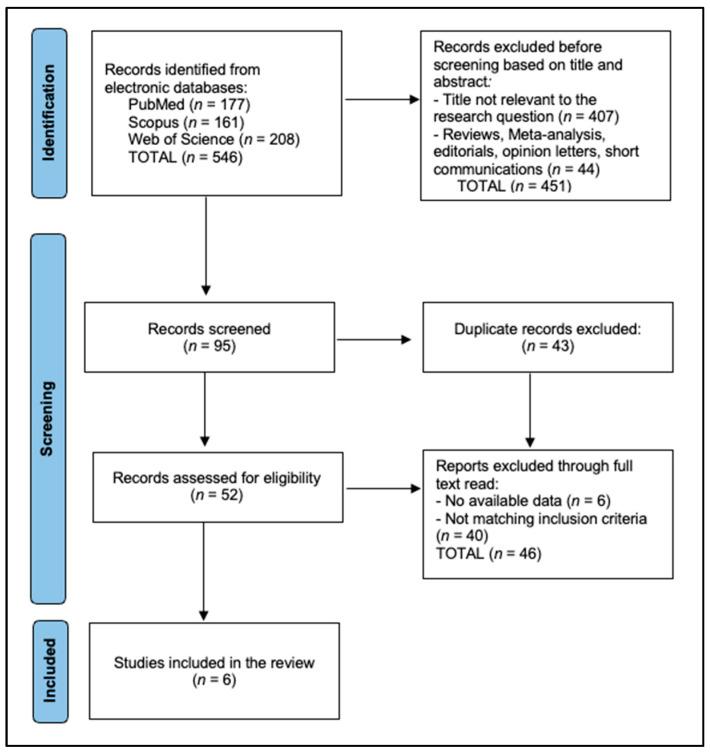
Anlotinib, a novel multi-kinase inhibitor targeting angiogenesis and tumor proliferation pathways, has shown promising efficacy in various cancers. Its role in treating thyroid cancer, particularly radioactive iodine-refractory differentiated thyroid cancer (RAIR-DTC), medullary thyroid carcinoma (MTC), and anaplastic thyroid carcinoma (ATC), is of significant clinical interest. This systematic review aims to evaluate the efficacy and safety of Anlotinib in patients with thyroid cancer, analyzing outcomes such as progression-free survival (PFS), overall survival (OS), response rates, and adverse events. A comprehensive literature search was conducted using PubMed, Scopus, and Web of Science databases up to October 2023. The review included randomized controlled trials and prospective studies assessing Anlotinib in thyroid cancer patients. Data extraction and quality assessment were performed independently by two reviewers following PRISMA guidelines. Six studies involving a total of 277 patients were included. In patients with RAIR-DTC, Anlotinib demonstrated significant improvement in median PFS and objective response rates. In advanced or metastatic MTC, Anlotinib significantly prolonged median PFS compared to placebo, with high objective response rates. Subgroup analyses showed that older patients and those with bone metastases benefited significantly from Anlotinib treatment. In patients with ATC, Anlotinib-based chemotherapy yielded a 60% objective response rate. Anlotinib was also effective as neoadjuvant therapy in locally advanced thyroid cancer, achieving an objective response rate of 76.9%. Common adverse events included hypertension, proteinuria, and palmar-plantar erythrodysesthesia syndrome, which were generally manageable. Anlotinib appears to be an effective and well-tolerated treatment option for patients with various types of thyroid cancer, providing significant improvements in PFS and objective response rates. Further large-scale randomized studies are warranted to confirm these findings and to explore long-term outcomes.
安罗替尼是一种新型多激酶抑制剂,可靶向血管生成和肿瘤增殖途径,已在多种癌症中显示出有前景的疗效。其在治疗甲状腺癌,特别是放射性碘难治性分化型甲状腺癌(RAIR-DTC)、髓样甲状腺癌(MTC)和间变性甲状腺癌(ATC)中的作用具有重大临床意义。本系统评价旨在评估安罗替尼在甲状腺癌患者中的疗效和安全性,分析无进展生存期(PFS)、总生存期(OS)、缓解率和不良事件等结果。使用PubMed、Scopus和Web of Science数据库进行了全面的文献检索,检索截止至2023年10月。该评价纳入了评估安罗替尼在甲状腺癌患者中的随机对照试验和前瞻性研究。两名评价者按照PRISMA指南独立进行数据提取和质量评估。纳入了六项研究,共涉及277例患者。在RAIR-DTC患者中,安罗替尼在中位PFS和客观缓解率方面有显著改善。在晚期或转移性MTC中,与安慰剂相比,安罗替尼显著延长了中位PFS,客观缓解率较高。亚组分析表明,老年患者和有骨转移的患者从安罗替尼治疗中显著获益。在ATC患者中,基于安罗替尼的化疗产生了60%的客观缓解率。安罗替尼作为局部晚期甲状腺癌的新辅助治疗也有效,客观缓解率达到76.9%。常见不良事件包括高血压、蛋白尿和手足红斑感觉异常综合征,这些通常是可控的。安罗替尼似乎是各种类型甲状腺癌患者的一种有效且耐受性良好的治疗选择,在PFS和客观缓解率方面有显著改善。有必要进行进一步的大规模随机研究以证实这些发现并探索长期结果。
 Zotero 插件