
传染性支气管炎病毒感染原发部位微小RNA候选物的特征分析:体外和体内禽类模型的比较研究
Characterization of microRNA candidates at the primary site of infectious bronchitis virus infection: A comparative study of in vitro and in vivo avian models.
作者信息
O'Dowd Kelsey, Vatandour Safieh, Ahamed Sadhiya S, Boulianne Martine, Dozois Charles M, Gagnon Carl A, Barjesteh Neda, Abdul-Careem Mohamed Faizal
机构信息
Health Research Innovation Centre, Faculty of Veterinary Medicine, University of Calgary, Calgary, Alberta, Canada.
Department of Animal and Poultry Science, Islamic Azad University, Qaemshahr Branch, Qaemshahr, Mazandaran, Iran.
出版信息
PLoS One. 2025 Mar 11;20(3):e0319153. doi: 10.1371/journal.pone.0319153. eCollection 2025.
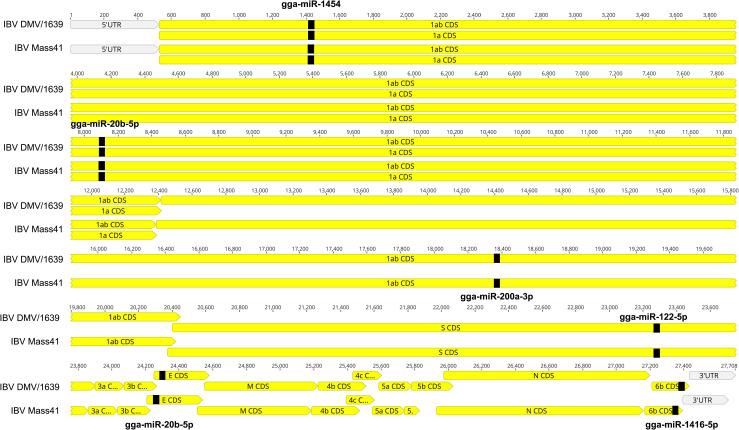
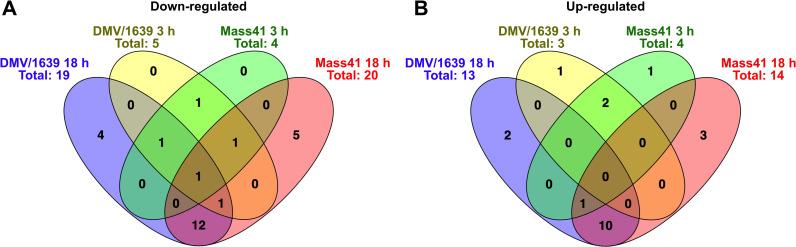
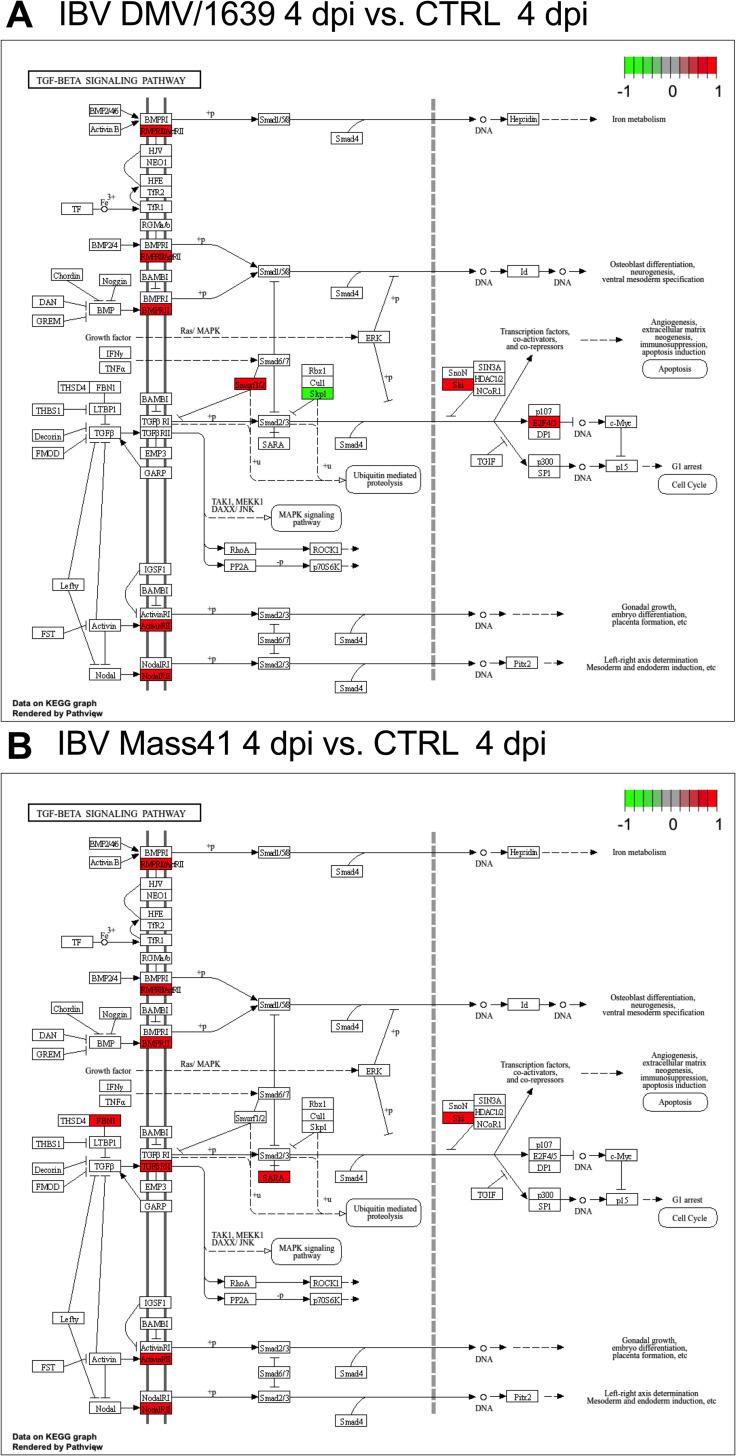
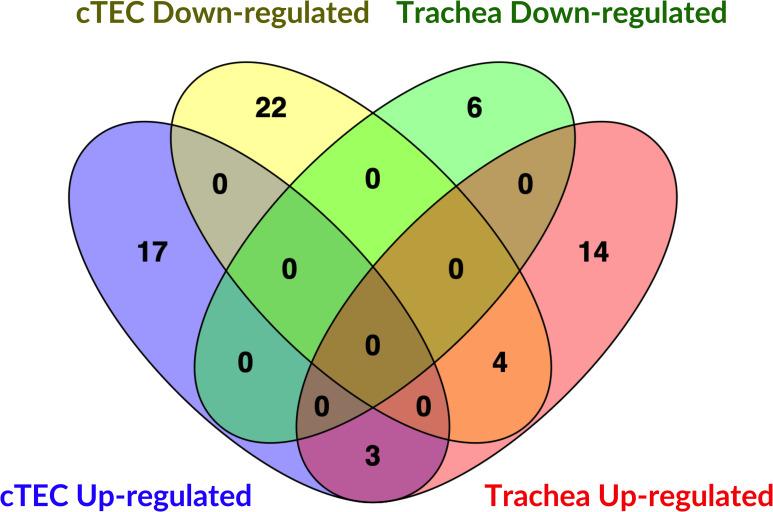
Infectious bronchitis virus (IBV) is an important avian pathogen with a positive-sense single-stranded RNA genome. IBV is the causative agent of infectious bronchitis (IB), a primarily respiratory disease affecting chickens, with the ability to disseminate to other organ systems, such as the gastrointestinal, renal, lymphoid, and reproductive systems. Tracheal epithelial cells are the primary target of IBV, and these cells play a vital role in the effective induction of the antiviral response and eventual clearance of IBV. The host immune system is regulated by a number of different molecular players, including micro-ribonucleic acids (microRNAs), which are small, conserved, non-coding RNA molecules that regulate gene expression of complementary messenger RNA (mRNA) sequences, resulting in gene silencing through translational repression or target degradation. The goal of this study was to characterize and compare the microRNA expression profiles in chicken tracheal epithelial cells (cTECs) in vitro and the trachea in vivo upon IBV Delmarva/1639 (DMV/1639) or IBV Massachusetts 41 (Mass41) infections. We hypothesized that IBV infection influences the expression of the host microRNA expression profiles. cTECs and young specific pathogen-free (SPF) chickens were infected with IBV DMV/1639 or IBV Mass41 and the microRNA expression at 3 and 18 hours post-infection (hpi) in the cTECs and at 4 and 11 days post-infection (dpi) in the trachea were determined using small RNA-sequencing (RNA-seq). We found that the profile of differentially expressed (DE) microRNAs is largely dependent on the IBV strain and time point of sample collection. Furthermore, we predicted the interaction between host microRNA and IBV viral RNA using microRNA-RNA interaction prediction platforms. We identified several candidate microRNAs suitable for future functional studies, such as gga-miR-155, gga-miR-1388a, gga-miR-7/7b and gga-miR-21-5p. Characterizing the interaction between IBV and the host cells at the level of microRNA regulation provides further insight into the regulatory mechanisms involved in viral infection and host defense in chickens following IBV infection.
传染性支气管炎病毒(IBV)是一种重要的禽类病原体,其基因组为正链单链RNA。IBV是传染性支气管炎(IB)的病原体,传染性支气管炎是一种主要影响鸡的呼吸道疾病,能够传播到其他器官系统,如胃肠道、肾脏、淋巴和生殖系统。气管上皮细胞是IBV的主要靶细胞,这些细胞在有效诱导抗病毒反应以及最终清除IBV方面发挥着至关重要的作用。宿主免疫系统受到许多不同分子参与者的调节,包括微小核糖核酸(microRNA),它们是小的、保守的、非编码RNA分子,可调节互补信使RNA(mRNA)序列的基因表达,通过翻译抑制或靶标降解导致基因沉默。本研究的目的是在体外鸡气管上皮细胞(cTECs)和体内气管中,对感染IBV德尔马瓦/1639(DMV/1639)或IBV马萨诸塞41(Mass41)后的微小RNA表达谱进行表征和比较。我们假设IBV感染会影响宿主微小RNA表达谱的表达。用IBV DMV/1639或IBV Mass41感染cTECs和年轻的无特定病原体(SPF)鸡,并使用小RNA测序(RNA-seq)确定感染后3小时和18小时(hpi)cTECs中以及感染后4天和11天(dpi)气管中的微小RNA表达。我们发现,差异表达(DE)微小RNA的谱很大程度上取决于IBV毒株和样本采集的时间点。此外,我们使用微小RNA-RNA相互作用预测平台预测宿主微小RNA与IBV病毒RNA之间的相互作用。我们鉴定出了几种适合未来功能研究的候选微小RNA,如gga-miR-155、gga-miR-1388a、gga-miR-7/7b和gga-miR-21-5p。在微小RNA调节水平上表征IBV与宿主细胞之间的相互作用,为深入了解IBV感染后鸡的病毒感染和宿主防御所涉及的调节机制提供了进一步的认识。




 Zotero 插件