
为期一个月的简短每周磁场疗法增强女性人血清的抗癌潜力:随机双盲试点研究。
One Month of Brief Weekly Magnetic Field Therapy Enhances the Anticancer Potential of Female Human Sera: Randomized Double-Blind Pilot Study.
作者信息
Iversen Jan Nikolas, Tai Yee Kit, Yap Jasmine Lye Yee, Abdul Razar Rafhanah Banu Binte, Sukumar Viresh Krishnan, Wu Kwan Yu, Ooi Melissa Gaik-Ming, Kukumberg Marek, Adam Sabrina, Rufaihah Abdul Jalil, Franco-Obregón Alfredo
机构信息
Department of Surgery, Yong Loo Lin School of Medicine, National University of Singapore, Singapore 119228, Singapore.
Institute of Health Technology and Innovation (iHealthtech), National University of Singapore, Singapore 117599, Singapore.
出版信息
Cells. 2025 Feb 23;14(5):331. doi: 10.3390/cells14050331.
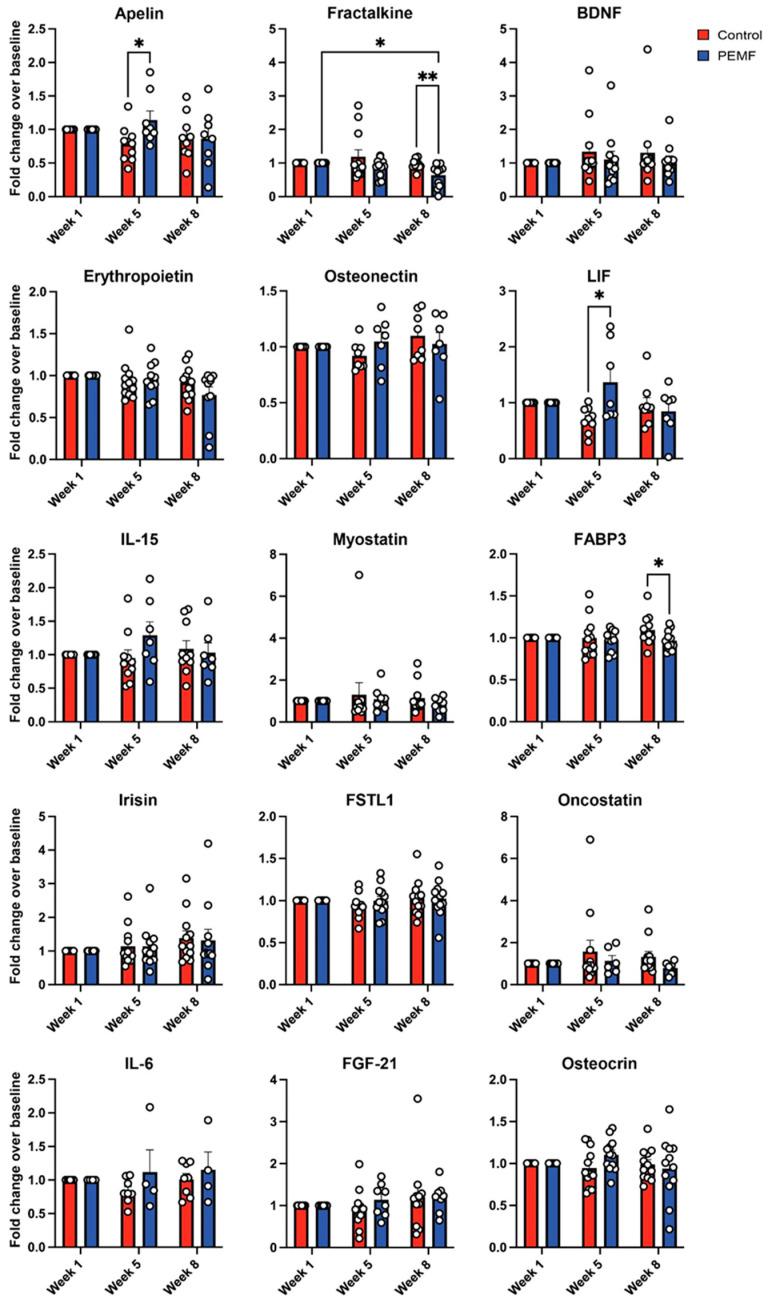
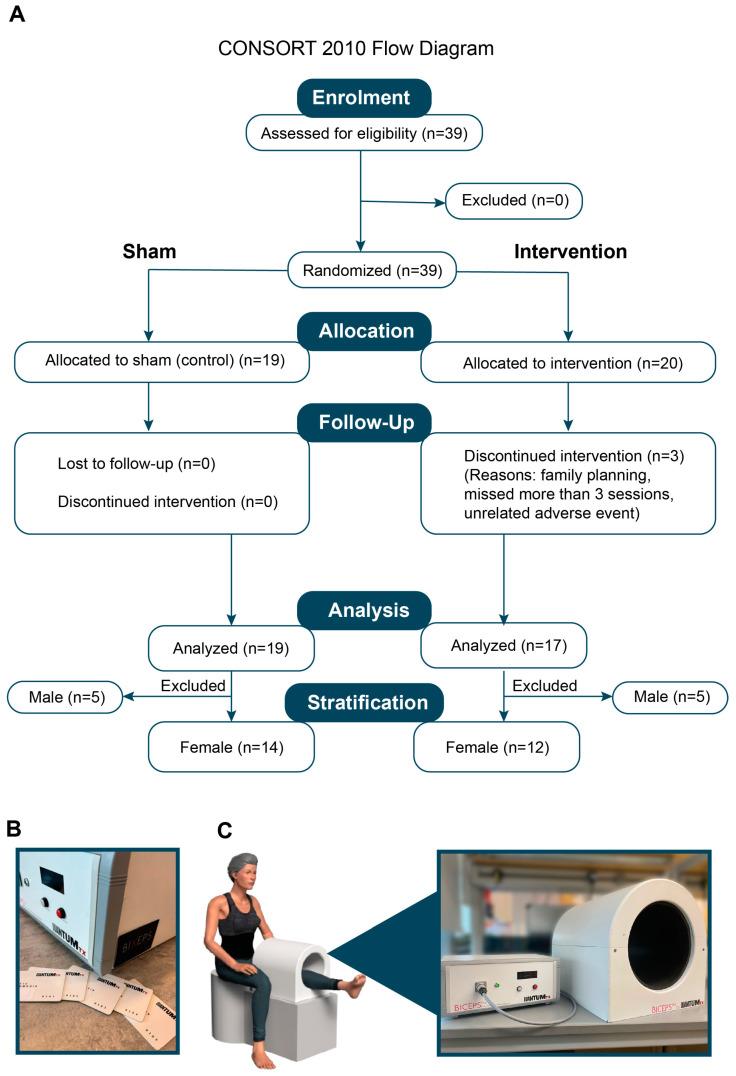
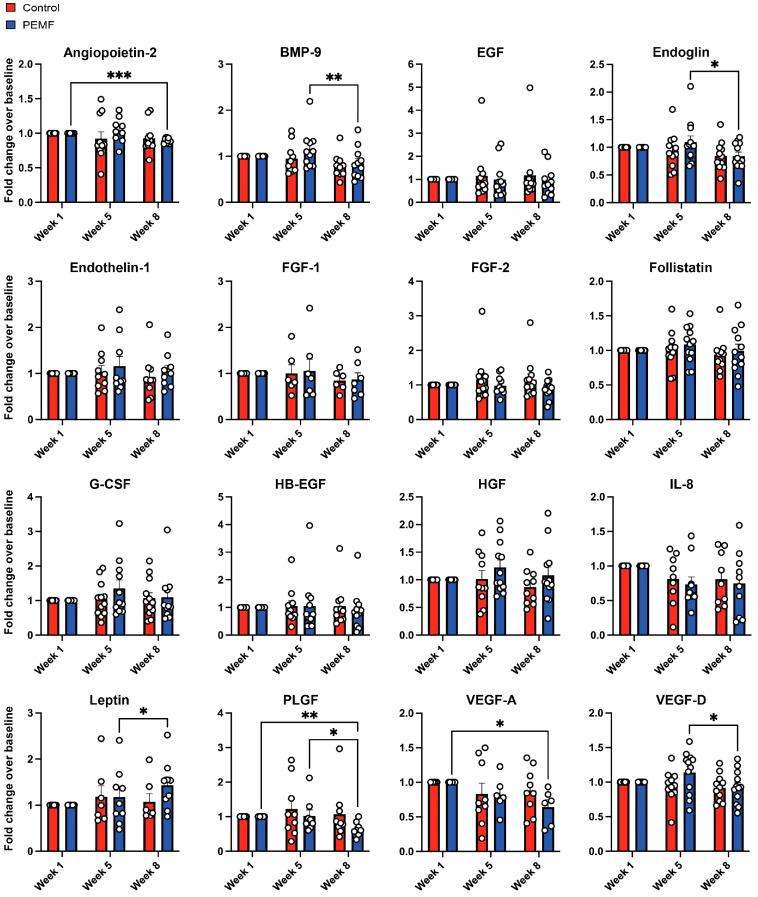
Preclinical studies have shown that the blood from female mice exposed weekly to magnetic fields inhibited breast cancer growth. This double-blind randomized controlled trial investigated whether analogous magnetic therapy could produce similar anticancer sera from human subjects. Twenty-six healthy adult females (ages 30-45) were assigned to either a magnetic therapy group, receiving twice weekly 1 mT magnetic exposures (10 min/session) for 4 weeks, or a control group, who underwent identical sham exposure. Blood sera were evaluated for their capacity to modulate breast cancer-related cellular responses and epithelial-mesenchymal transition. The sera from the magnetic therapy group subjects exhibited significant anticancer effects that were strongest one month after the last magnetic exposure, whereas the sera from unexposed females or unexposed or exposed males showed no effect. Female sera from the magnetic therapy group ( = 12) reduced breast cancer cell proliferation (16.1%), migration (11.8%) and invasion (28.2%) and reduced the levels of key EMT markers relative to the control sera ( = 14). Magnetic therapy modulated the serum levels of angiogenic and myogenic biomarkers in a manner consistent with improved cancer management. Muscle-targeted magnetic therapy holds the potential to enhance the anticancer properties of human blood via an adaptive process, akin to exercise training.
临床前研究表明,每周暴露于磁场的雌性小鼠的血液可抑制乳腺癌生长。这项双盲随机对照试验调查了类似的磁疗是否能从人类受试者中产生类似的抗癌血清。26名健康成年女性(年龄30 - 45岁)被分配到磁疗组,每周接受两次1 mT的磁暴露(每次10分钟),持续4周,或对照组,接受相同的假暴露。评估血清调节乳腺癌相关细胞反应和上皮 - 间质转化的能力。磁疗组受试者的血清表现出显著的抗癌作用,在最后一次磁暴露后一个月最强,而未暴露女性或未暴露或暴露男性的血清则无作用。磁疗组的女性血清(n = 12)相对于对照血清(n = 14)降低了乳腺癌细胞增殖(16.1%)、迁移(11.8%)和侵袭(28.2%),并降低了关键上皮 - 间质转化标志物的水平。磁疗以与改善癌症管理相一致的方式调节血管生成和肌生成生物标志物的血清水平。肌肉靶向磁疗有可能通过类似于运动训练的适应性过程增强人体血液的抗癌特性。


 Zotero 插件