
眼表对毒物的吸收:在毒理学中的潜在应用
Absorption of Toxicants from the Ocular Surface: Potential Applications in Toxicology.
作者信息
Šoša Ivan, Perković Manuela, Baniček Šoša Ivanka, Grubešić Petra, Linšak Dijana Tomić, Strenja Ines
机构信息
Department of Anatomy, Faculty of Medicine, University of Rijeka, 51000 Rijeka, Croatia.
Department of Pathology and Cytology, Pula General Hospital, 52100 Pula, Croatia.
出版信息
Biomedicines. 2025 Mar 6;13(3):645. doi: 10.3390/biomedicines13030645.
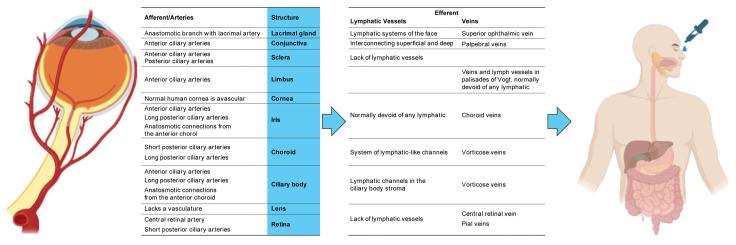
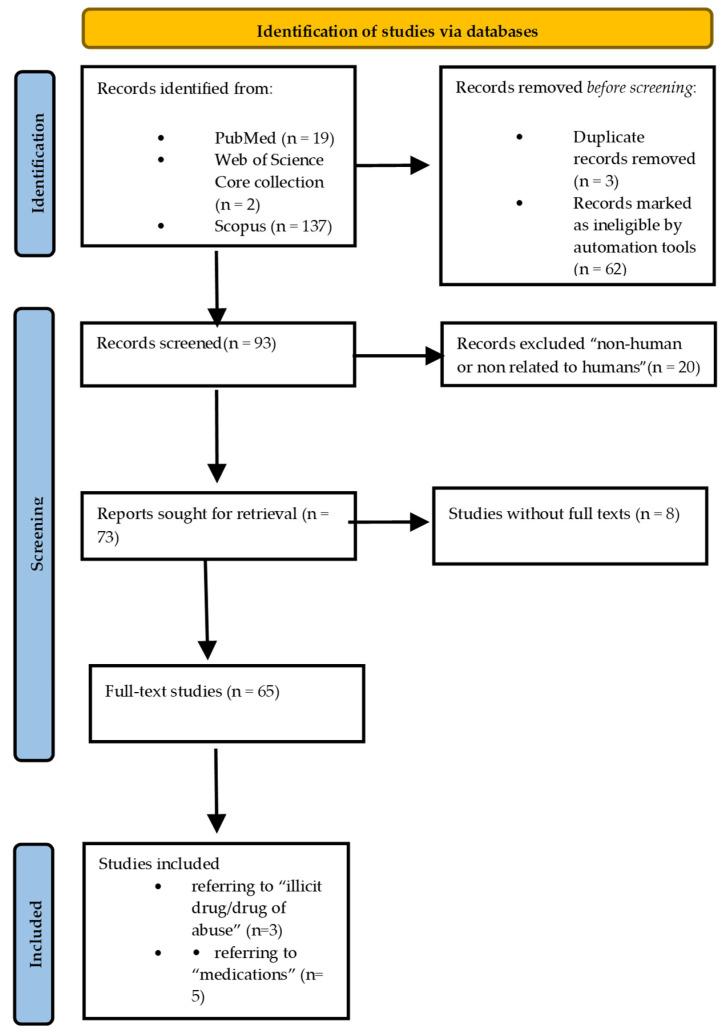
In relation to the eye, the body can absorb substances from the ocular surface fluid (OSF) in a few ways: directly through the conjunctival sac, through the nasal mucosa as the fluid drains into the nose, or through ingestion. Regardless of the absorption method, fluid from the conjunctival sac should be used as a toxicological matrix, even though only small quantities are needed. Contemporary analytical techniques make it a suitable matrix for toxicological research. Analyzing small quantities of the matrix and nano-quantities of the analyte requires high-cost, sophisticated tools, which is particularly relevant in the high-throughput environment of new drug or cosmetics testing. Environmental toxicology also presents a challenge, as many pollutants can enter the system using the same ocular surface route. A review of the existing literature was conducted to assess potential applications in clinical and forensic toxicology related to the absorption of toxicants from the ocular surface. The selection of the studies used in this review aimed to identify new, more efficient, and cost-effective analytical technology and diagnostic methods.
关于眼睛,身体可以通过几种方式从眼表液(OSF)中吸收物质:直接通过结膜囊,当液体排入鼻腔时通过鼻黏膜,或通过摄入。无论吸收方式如何,即使只需要少量,来自结膜囊的液体都应用作毒理学基质。当代分析技术使其成为毒理学研究的合适基质。分析少量的基质和纳克量的分析物需要高成本、复杂的工具,这在新药或化妆品测试的高通量环境中尤为重要。环境毒理学也带来了挑战,因为许多污染物可以通过相同的眼表途径进入系统。对现有文献进行了综述,以评估与眼表毒物吸收相关的临床和法医毒理学中的潜在应用。本综述中使用的研究选择旨在确定新的、更高效且具有成本效益的分析技术和诊断方法。


 Zotero 插件