
抑制二肽基肽酶4可减轻高脂饮食喂养小鼠内毒素血症诱导的NLRC4炎性小体及内脏脂肪组织炎症。
Inhibition of DPP-4 Attenuates Endotoxemia-Induced NLRC4 Inflammasome and Inflammation in Visceral Adipose Tissue of Mice Fed a High-Fat Diet.
作者信息
Bianchi Francesca, Roccabianca Paola, Vianello Elena, Gentile Guendalina, La Sala Lucia, Bandera Francesco, Tacchini Lorenza, Zoia Riccardo, Corsi Romanelli Massimiliano M, Dozio Elena
机构信息
Dipartimento di Scienze Biomediche per la Salute, Università degli Studi di Milano, 20133 Milan, Italy.
Laboratorio di Morfologia Umana Applicata, IRCCS Policlinico San Donato, 20097 San Donato Milanese, Italy.
出版信息
Biomolecules. 2025 Feb 25;15(3):333. doi: 10.3390/biom15030333.
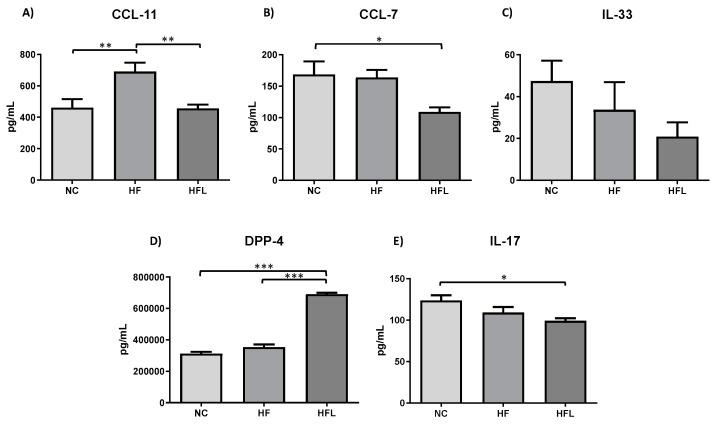
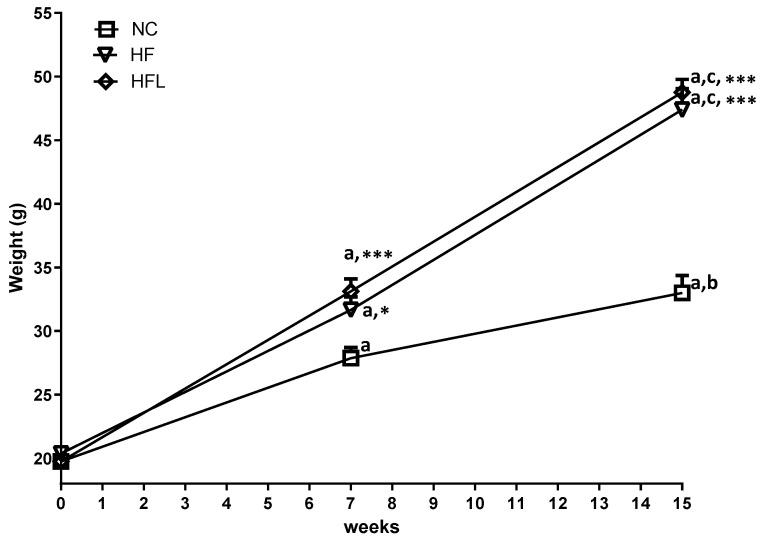
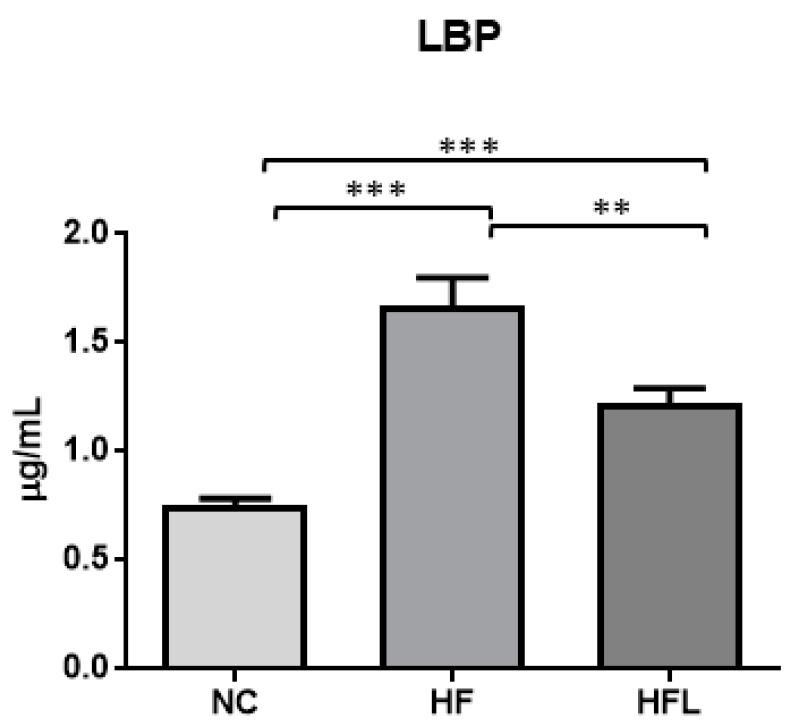
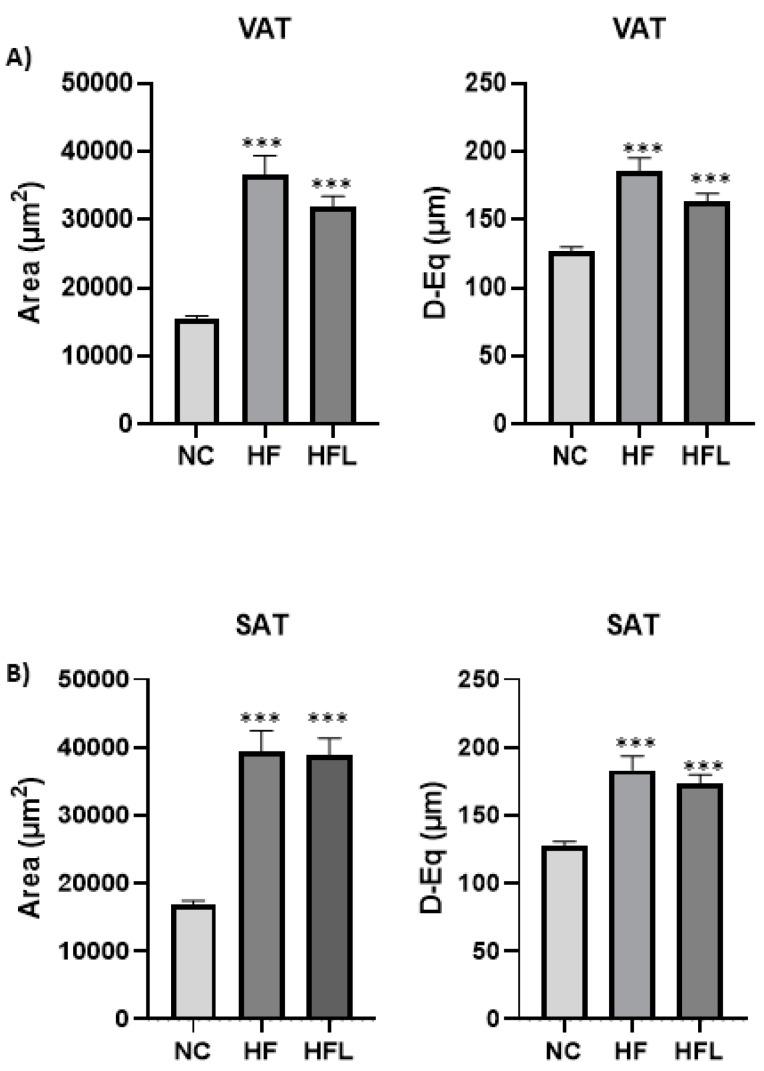
Inflammasomes are protein complexes that trigger pro-inflammatory responses and promote many diseases, including adipose tissue dysfunction. Linagliptin (L), a DPP-4 inhibitor used for type 2 diabetes therapy, has putative anti-inflammatory effects. This work explores L effects on inflammasome regulation, inflammation, and adipose tissue dysfunction in obese mice. Male C57BL/6N mice were fed a normal chow (NC) diet, high-fat (HF) diet, or HF diet with L (HFL) for 15 weeks. Gene expression and histological examinations were performed on visceral (VAT) and subcutaneous (SAT) adipose tissue samples. Biomarkers were quantified on sera. Murine macrophages were utilized for in vitro analyses. L decreased HF-induced endotoxemia and circulating inflammatory indicators. Despite having no effect on body weight, L reduced VAT inflammation by decreasing endotoxemia-induced inflammasome, inflammation severity, and fat cell hypertrophy. Although SAT response differed from VAT, inflammation was slightly reduced in this tissue too. In vitro, L modulated inflammation by directly reducing the pro-inflammatory macrophage phenotype. In obesity, increased inflammasome expression links endotoxemia and VAT inflammation. L protected against endotoxemia, maybe by affecting gut permeability and VAT responses. The decreased polarization of macrophages toward a pro-inflammatory phenotype and the reduction in adipocyte hypertrophy are involved in the response to L.
炎性小体是触发促炎反应并引发包括脂肪组织功能障碍在内的多种疾病的蛋白质复合物。利那格列汀(L)是一种用于2型糖尿病治疗的二肽基肽酶-4(DPP-4)抑制剂,具有潜在的抗炎作用。这项研究探讨了L对肥胖小鼠炎性小体调节、炎症和脂肪组织功能障碍的影响。将雄性C57BL/6N小鼠分别喂食正常饲料(NC)、高脂(HF)饲料或添加L的高脂饲料(HFL)15周。对内脏脂肪组织(VAT)和皮下脂肪组织(SAT)样本进行基因表达和组织学检查。对血清中的生物标志物进行定量分析。利用小鼠巨噬细胞进行体外分析。L降低了高脂饮食诱导的内毒素血症和循环炎症指标。尽管对体重没有影响,但L通过降低内毒素血症诱导的炎性小体、炎症严重程度和脂肪细胞肥大,减轻了VAT炎症。虽然SAT的反应与VAT不同,但该组织的炎症也略有减轻。在体外,L通过直接减少促炎巨噬细胞表型来调节炎症。在肥胖状态下,炎性小体表达增加与内毒素血症和VAT炎症相关。L可能通过影响肠道通透性和VAT反应来预防内毒素血症。巨噬细胞向促炎表型极化的减少以及脂肪细胞肥大的减轻参与了对L的反应。


 Zotero 插件