
细胞的液体和溶质转运以及体循环模型。
Fluid and solute transport by cells and a model of systemic circulation.
作者信息
Wu Yufei, Benson Morgan A, Sun Sean X
机构信息
Department of Mechanical Engineering, Johns Hopkins University, Baltimore, Maryland, United States of America.
Institute for NanoBioTechnology, Johns Hopkins University, Baltimore, Maryland, United States of America.
出版信息
PLoS Comput Biol. 2025 Apr 21;21(4):e1012935. doi: 10.1371/journal.pcbi.1012935. eCollection 2025 Apr.
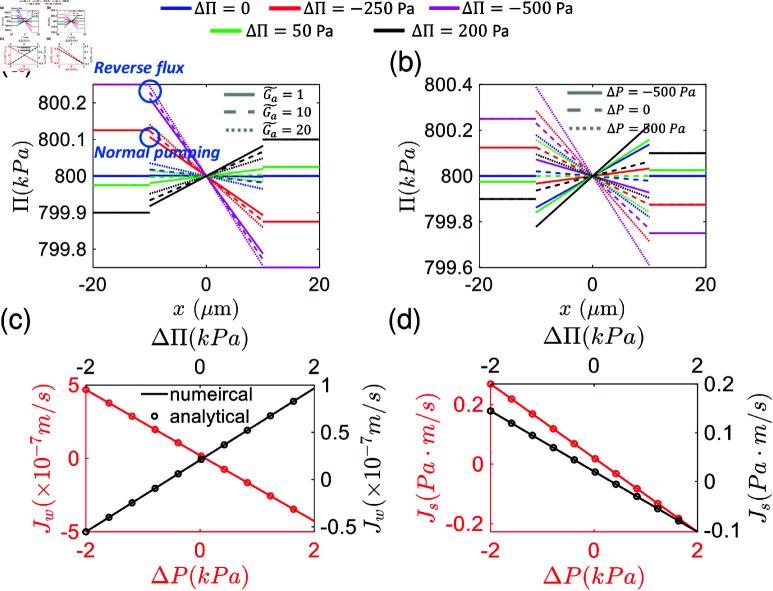
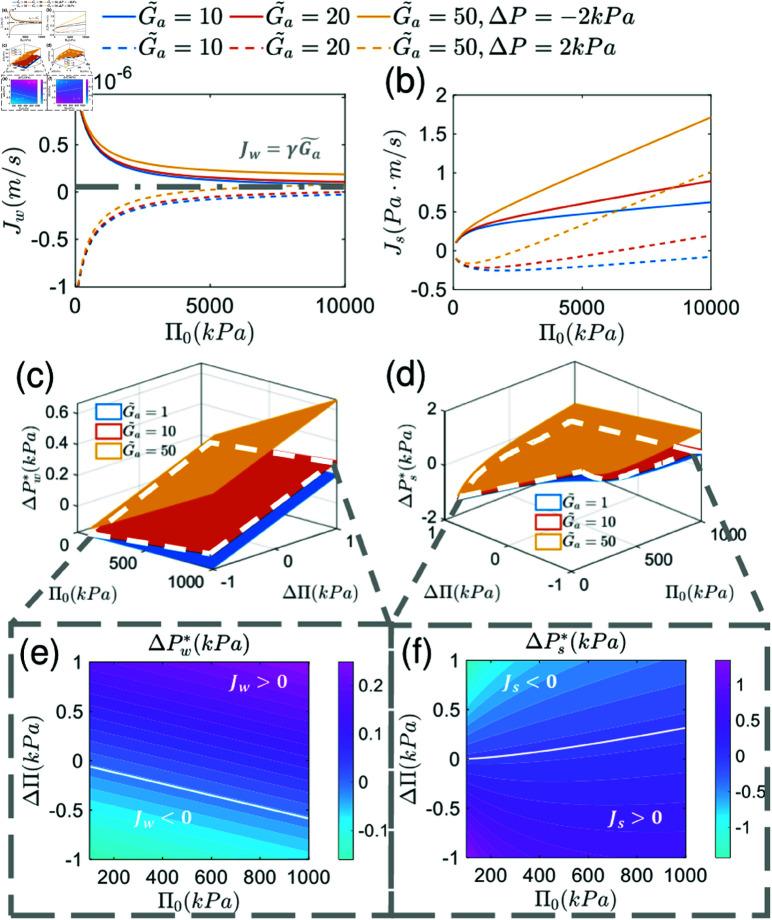
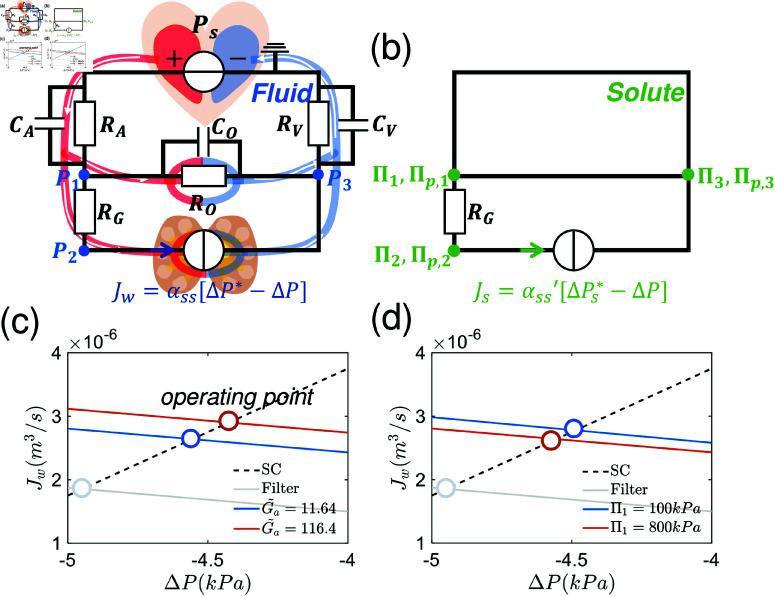
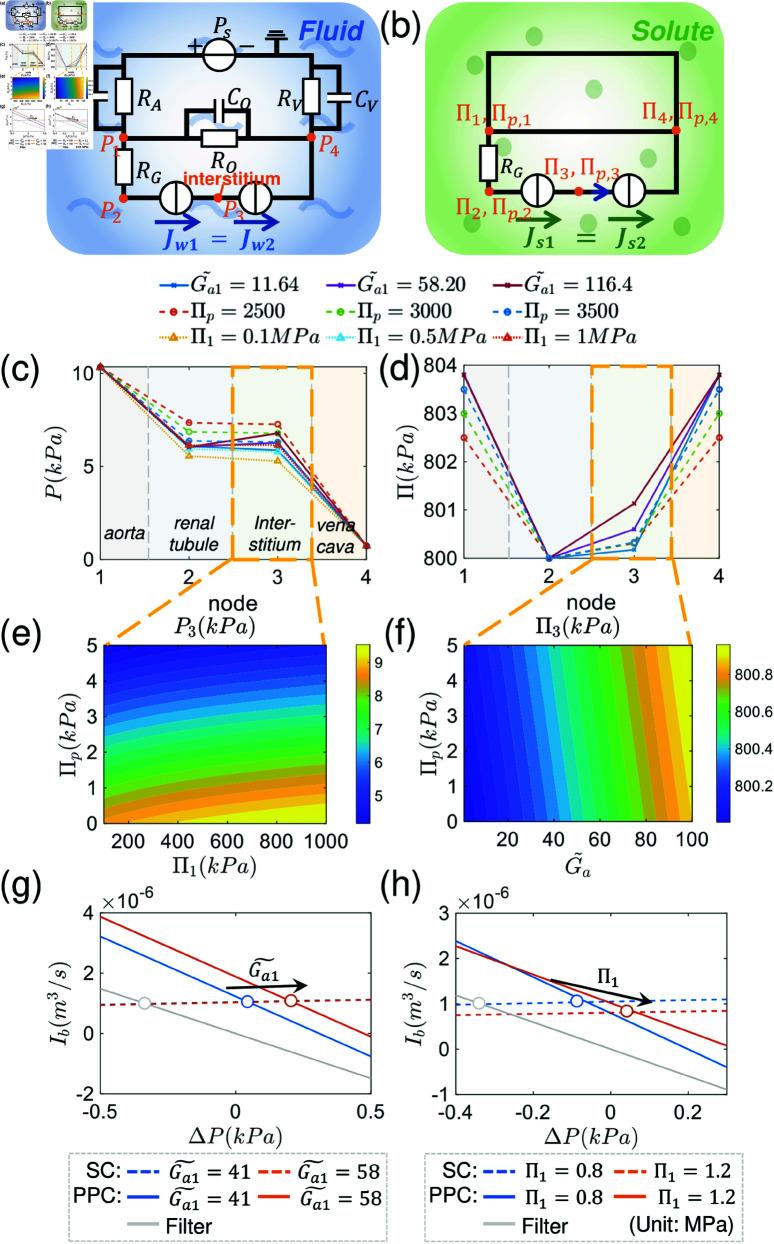
Active fluid circulation and solute transport are essential functions of living organisms, enabling the efficient delivery of oxygen and nutrients to various physiological compartments. Since fluid circulation occurs in a network, the systemic flux and pressure are not simple outcomes of individual components. Rather, they are emergent properties of network elements and network topology. Moreover, consistent pressure and osmolarity gradients are maintained across compartments such as the kidney, interstitium, and blood vessels. The mechanisms by which these gradients and network properties are established and maintained are unanswered questions in systems physiology. Previous studies have shown that epithelial cells are fluid pumps and can actively generate pressure and osmolarity gradients. The polarization and activity of solute transporters in epithelial cells, which drive fluid flux, are influenced by pressure and osmolarity gradients. Therefore, there is an unexplored coupling between pressure and osmolarity in the circulatory network. In this work, we develop a mathematical framework that integrates the influence of pressure and osmolarity on solute transport. We use this model to explore both cellular fluid transport and systemic circulation. Using a simple network featuring the kidney-vascular interface, we show that our model naturally generates pressure and osmolarity gradients across the kidney, vessels and renal interstitium. While the current model uses this interface as an example, the findings can be generalized to other physiological compartments. This model demonstrates how systemic transport properties can depend on cellular properties and, conversely, how cell states are influenced by systemic properties. When epithelial and endothelial pumps are considered together, we predict how pressures at various points in the network depend on the overall osmolarity of the system. The model can be improved by including physiological geometries and expanding solute species, and highlights the interplay of fluid properties with cell function in living organisms.
活跃的流体循环和溶质运输是生物体的基本功能,能够将氧气和营养物质有效地输送到各个生理腔室。由于流体循环发生在一个网络中,因此系统通量和压力并非单个组件的简单结果。相反,它们是网络元件和网络拓扑的涌现特性。此外,在肾脏、间质和血管等腔室之间维持着一致的压力和渗透压梯度。这些梯度和网络特性是如何建立和维持的,是系统生理学中尚未解决的问题。先前的研究表明,上皮细胞是流体泵,能够主动产生压力和渗透压梯度。驱动流体通量的上皮细胞中溶质转运体的极化和活性受压力和渗透压梯度的影响。因此,循环网络中压力和渗透压之间存在未被探索的耦合关系。在这项工作中,我们开发了一个数学框架,该框架整合了压力和渗透压对溶质运输的影响。我们使用这个模型来探索细胞流体运输和全身循环。通过一个以肾脏 - 血管界面为特征的简单网络,我们表明我们的模型自然地在肾脏、血管和肾间质中产生压力和渗透压梯度。虽然当前模型以这个界面为例,但研究结果可以推广到其他生理腔室。该模型展示了全身运输特性如何依赖于细胞特性,反之,细胞状态又如何受到全身特性的影响。当同时考虑上皮泵和内皮泵时,我们预测网络中各个点的压力如何依赖于系统的整体渗透压。该模型可以通过纳入生理几何结构和扩展溶质种类来改进,并突出了流体特性与生物体中细胞功能之间的相互作用。


 Zotero 插件