
骨纤维异常增殖症中的骨痛并不依赖于异常的感觉神经芽生或神经瘤形成。
Bone pain in fibrous dysplasia does not rely on aberrant sensory nerve sprouting or neuroma formation.
作者信息
Palmisano Biagio, Tavanti Chiara, Farinacci Giorgia, Gosti Giorgio, Leonetti Marco, Donsante Samantha, Giannicola Giuseppe, Appelman-Dijkstra Natasha, Corsi Alessandro, Ippolito Ernesto, Riminucci Mara
机构信息
Department of Molecular Medicine, Sapienza University of Rome, 00161 Rome, Italy.
Soft and Living Matter Laboratory, Institute of Nanotechnology, Consiglio Nazionale delle Ricerche, 00185 Rome, Italy.
出版信息
J Bone Miner Res. 2025 Jul 28;40(8):999-1014. doi: 10.1093/jbmr/zjaf066.
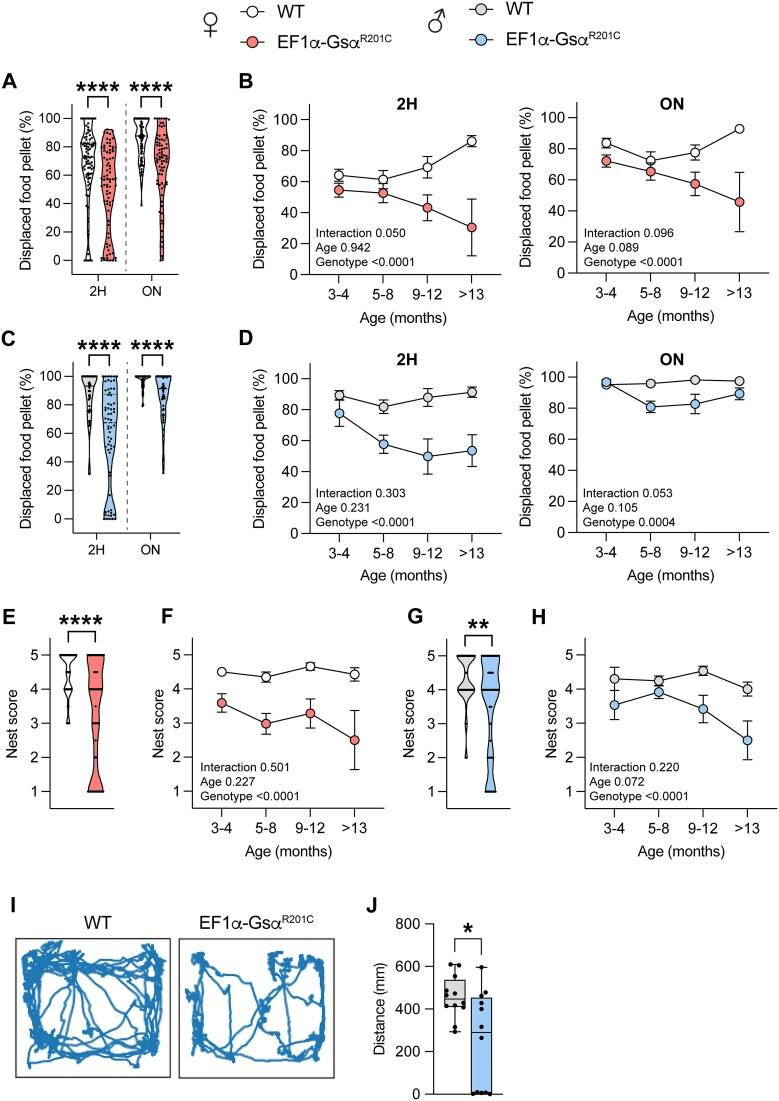
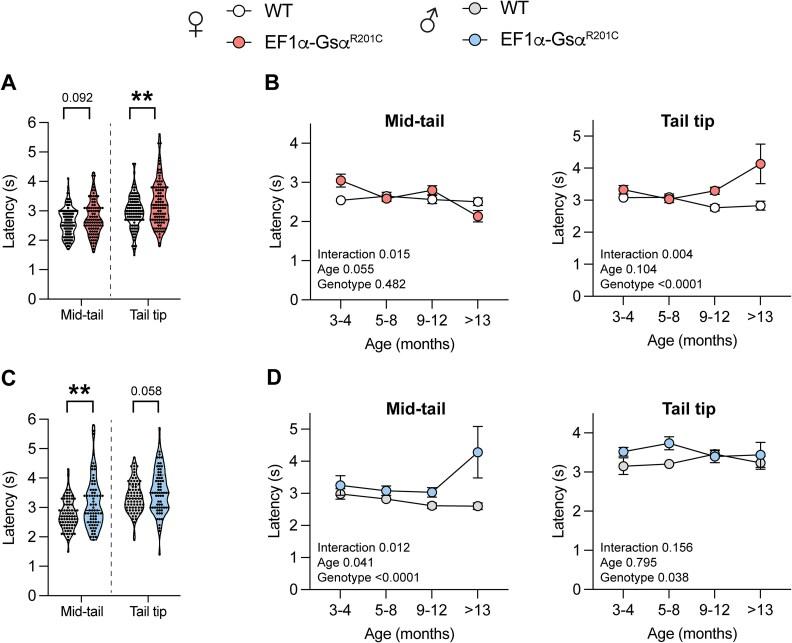
Bone pain is a major symptom of many skeletal disorders. Fibrous dysplasia (FD) is a genetic disease with mono or polyostotic skeletal phenotype due to the post-zygotic occurrence of the causative Gsα mutation. Bone pain in FD often associates with skeletal deformities and fractures or nerve impingement by the pathological tissue. However, even in the absence of complications, FD patients often complain of a chronic pain that does not correlate with their disease burden. Multiple hypotheses have been made to explain this pain. However, its pathogenetic mechanisms remain, as yet, largely unexplored. In this study, we first demonstrate that the FD mouse model EF1α-GsαR201C develops behavioral impairments and altered response to nociceptive stimuli that, as in FD patients, do not correlate with their skeletal disease burden, thus providing a reliable model to study bone pain in FD. Then, we show that in EF1α-GsαR201C mice, the overall pattern of skeletal innervation is preserved and that within FD lesions, sensory fibers are variably and focally distributed, mainly at perivascular sites. Finally, we provide the first analysis of a series of human FD bone biopsies showing that, within the lesional tissue, sensory nerve fibers are few despite the rich vascular network and appear to be well-organized. These data show that, albeit sensory nerve fibers are found within FD lesions, bone pain in humans and functional impairment in mice are not associated to pathological sensory nerve sprouting or formation of neuromas in the Gsα-mutated skeleton.
骨痛是许多骨骼疾病的主要症状。纤维发育不良(FD)是一种由于致病的Gsα突变在合子后发生而导致单骨或多骨骨骼表型的遗传性疾病。FD中的骨痛常与骨骼畸形、骨折或病理组织对神经的压迫有关。然而,即使在没有并发症的情况下,FD患者也常常抱怨存在与疾病负担不相关的慢性疼痛。人们提出了多种假说来解释这种疼痛。然而,其发病机制至今仍 largely unexplored。在本研究中,我们首先证明FD小鼠模型EF1α-GsαR201C出现行为障碍以及对伤害性刺激的反应改变,如同在FD患者中一样,这些改变与它们的骨骼疾病负担不相关,从而提供了一个可靠的模型来研究FD中的骨痛。然后,我们表明在EF1α-GsαR201C小鼠中,骨骼神经支配的总体模式得以保留,并且在FD病变内,感觉纤维呈可变且局灶性分布,主要位于血管周围部位。最后,我们对一系列人类FD骨活检进行了首次分析,结果显示,在病变组织内,尽管血管网络丰富,但感觉神经纤维很少,且似乎组织良好。这些数据表明,尽管在FD病变内发现了感觉神经纤维,但人类的骨痛和小鼠的功能障碍与Gsα突变骨骼中的病理性感觉神经芽生或神经瘤形成无关。



 Zotero 插件