
猫叫综合征神经干细胞的建立与鉴定:一种研究该综合征的新型有前景的资源。
Establishment and characterization of Cri Du Chat neuronal stem cells: a novel promising resource to study the syndrome.
作者信息
Piovani Giovanna, Ferraro Rosalba Monica, Giliani Silvia Clara
机构信息
Department of Molecular and Translational Medicine, University of Brescia, 25123, Brescia, Italy.
Scientific Committee of A.B.C. Associazione Bambini Cri du Chat, 50026, Florence, Italy.
出版信息
Hum Cell. 2025 May 9;38(4):98. doi: 10.1007/s13577-025-01230-x.
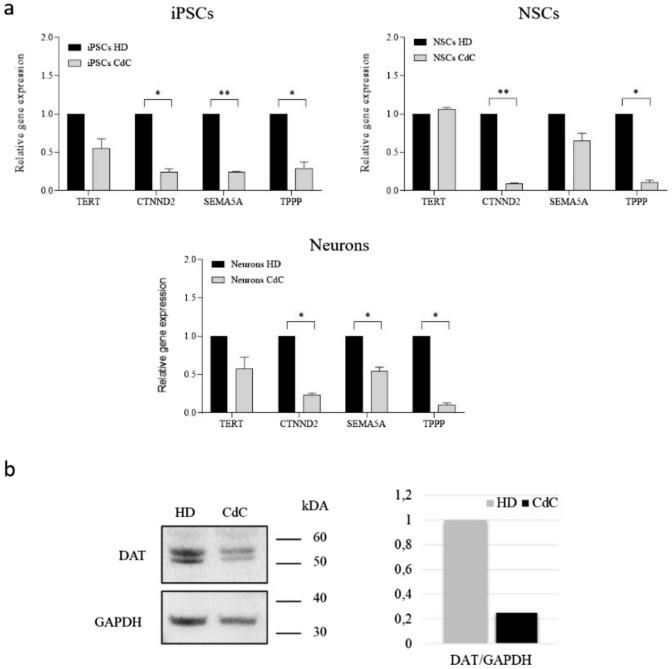
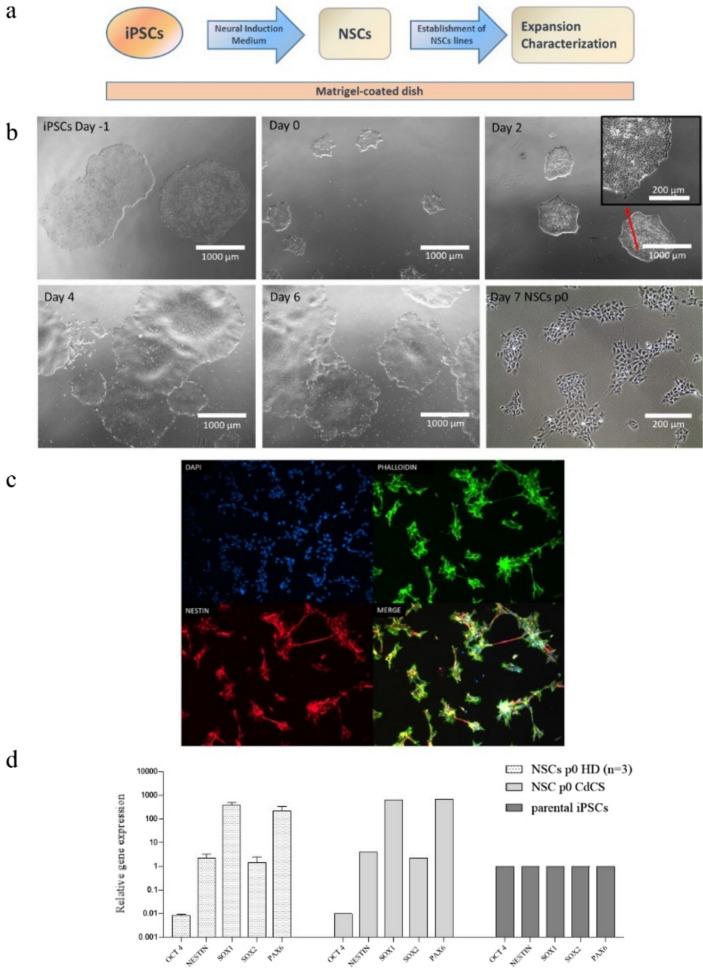
The Cri Du Chat (CdC) Syndrome is a rare chromosome disease condition resulting from variable size deletion occurring on the short arm of one of the chromosomes 5. This disorder, which affects one in 50,000 births, is responsible for developmental retardation, the mechanism of which has remained unexplained. TERT, SEMA5 A, CTNND2, TPPP, mapped in chromosome 5 short arm, are known to be expressed in the brain, and to play a role in the development of the nervous system, oligodentrocytes and in the regulation of glutamatergic and dopaminergic synaptic transmission. It is critical to understand how their haploinsufficiency might affect the development and presentation of the disease. In the absence of an animal model and of significant accessible, human tissue, human pluripotent stem cells (iPSC) directly reprogrammed from patient somatic cells open a new area of disease modeling as they can virtually be differentiated into any cell type. Our study reports, for the first time, the generation of neuronal stem cells (NSCs) from CdC-iPSCs line and in addition, subsequent differentiation into a heterogeneous population of neurons. Gene expression of the mentioned and single copy deleted genes was also evaluated by comparing their expression level in iPSC, NSCs and neuron lines. The present research represents the first and the most innovative approach, to create an in vitro CdC neuronal model to have a new translational framework to study the pathologic processes.
猫叫综合征(CdC)是一种罕见的染色体疾病,由5号染色体之一短臂上发生的大小可变的缺失引起。这种疾病在每50000例出生中出现1例,会导致发育迟缓,其机制一直未得到解释。已知位于5号染色体短臂上的TERT、SEMA5 A、CTNND2、TPPP在大脑中表达,并在神经系统、少突胶质细胞的发育以及谷氨酸能和多巴胺能突触传递的调节中发挥作用。了解它们的单倍体不足如何影响疾病的发展和表现至关重要。由于缺乏动物模型和大量可获取的人体组织,从患者体细胞直接重编程的人类多能干细胞(iPSC)开启了疾病建模的新领域,因为它们几乎可以分化为任何细胞类型。我们的研究首次报告了从CdC-iPSC系中生成神经干细胞(NSC),此外,随后分化为异质性神经元群体。还通过比较它们在iPSC、NSC和神经元系中的表达水平,评估了上述基因和单拷贝缺失基因的基因表达。本研究代表了第一种也是最具创新性的方法,即创建一个体外CdC神经元模型,以拥有一个研究病理过程的新的转化框架。

 Zotero 插件