
阿特拉津对蜜蜂蔗糖敏感性的影响。
Impact of Atrazine on Sucrose Sensitivity in Honey Bees.
作者信息
Hu Xiexin, Xu Zixuan, Xu Jiachen, Ma Guiyi, Pan Yiren, Cai Minqi, Lin Zheguang, Ji Ting, Wang Kang
机构信息
College of Bioscience and Biotechnology, Yangzhou University, Yangzhou 225009, China.
College of Animal Science and Technology, Yangzhou University, Yangzhou 225009, China.
出版信息
Insects. 2025 May 3;16(5):491. doi: 10.3390/insects16050491.
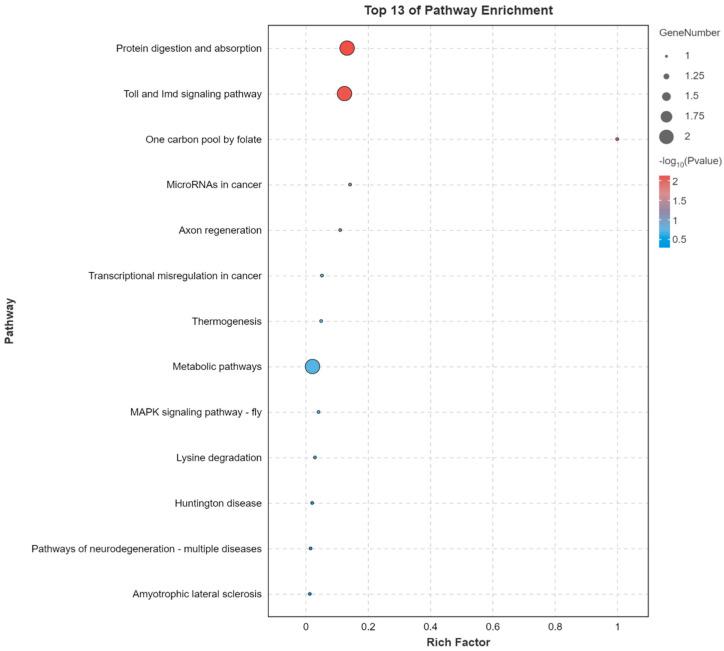
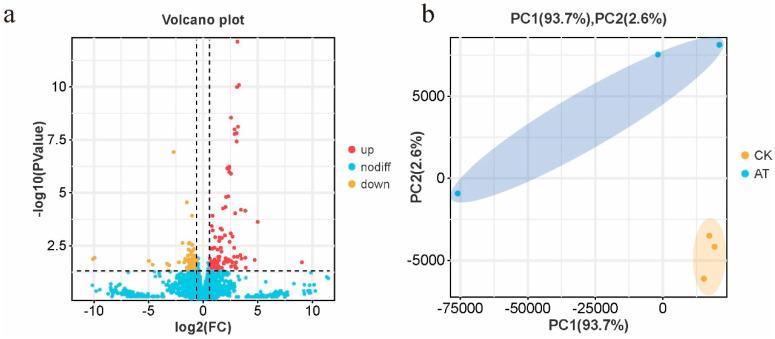
Honey bees () are essential pollinators, responsible for the pollination of over 80% of crops and flowering plants globally. However, there is concern that the extensive use of pesticides, particularly atrazine, can harm pollinators. Despite the widespread use of atrazine, the sublethal effects on honey bees remain unclear. This study investigated the effects of atrazine on honey bee sucrose sensitivity and clarified the underlying molecular mechanisms using transcriptomic analyses. Atrazine exposure reduced the sucrose sensitivity of honey bees substantially, likely through the inhibition of functional genes associated with cognition in the brain. Genes related to neurodegenerative diseases and behavior were differentially expressed in response to atrazine. These findings provide novel insights into the neurophysiological and behavioral effects of atrazine on honey bees, contributing to a better understanding of pesticide risks and informing future environmental regulations.
蜜蜂是至关重要的传粉者,负责全球80%以上农作物和开花植物的授粉。然而,人们担心农药的广泛使用,尤其是阿特拉津,会对传粉者造成危害。尽管阿特拉津被广泛使用,但其对蜜蜂的亚致死效应仍不清楚。本研究调查了阿特拉津对蜜蜂蔗糖敏感性的影响,并通过转录组分析阐明了潜在的分子机制。阿特拉津暴露显著降低了蜜蜂的蔗糖敏感性,可能是通过抑制大脑中与认知相关的功能基因。与神经退行性疾病和行为相关的基因在阿特拉津作用下发生了差异表达。这些发现为阿特拉津对蜜蜂的神经生理和行为影响提供了新的见解,有助于更好地理解农药风险,并为未来的环境法规提供依据。

 Zotero 插件