
从新冠疫情管理中可以吸取哪些教训?
What Lessons can Be Learned From the Management of the COVID-19 Pandemic?
作者信息
Quinn Gerry A, Connolly Ronan, ÓhAiseadha Coilín, Hynds Paul, Bagus Philipp, Brown Ronald B, Cáceres Carlos F, Craig Clare, Connolly Michael, Domingo Jose L, Fenton Norman, Frijters Paul, Hatfill Steven, Heymans Raymond, Joffe Ari R, Jones Rosamond, Lauc Gordan, Lawrie Therese, Malone Robert W, Mordue Alan, Mushet Greta, O'Connor Anton, Orient Jane, Peña-Ramos José Antonio, Risch Harvey A, Rose Jessica, Sánchez-Bayón Antonio, Savaris Ricardo F, Schippers Michaéla C, Simandan Dragos, Sikora Karol, Soon Willie, Shir-Raz Yaffa, Spandidos Demetrios A, Spira Beny, Tsatsakis Aristides M, Walach Harald
机构信息
Centre for Molecular Biosciences, Ulster University, Coleraine, United Kingdom.
Center for Environmental Research and Earth Sciences (CERES), Salem, MA, United States.
出版信息
Int J Public Health. 2025 May 30;70:1607727. doi: 10.3389/ijph.2025.1607727. eCollection 2025.
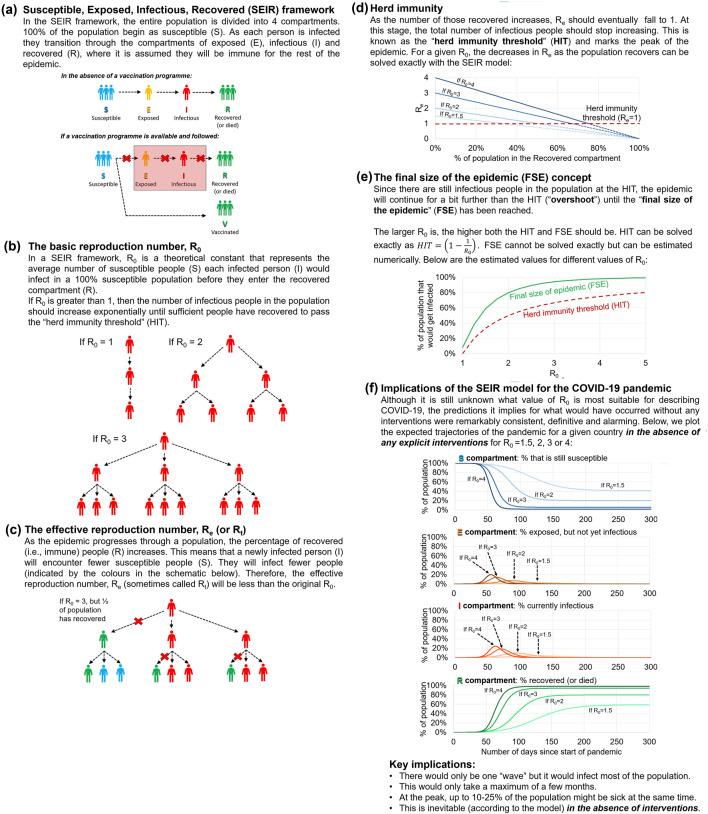
During the COVID-19 pandemic (2020-2023), governments around the world implemented an unprecedented array of non-pharmaceutical interventions (NPIs) to control the spread of SARS-CoV-2. From early 2021, these were accompanied by major population-wide COVID-19 vaccination programmes-often using novel mRNA/DNA technology, although some countries used traditional vaccines. Both the NPIs and the vaccine programmes were apparently justified by highly concerning model projections of how the pandemic could progress in their absence. Efforts to reduce the spread of misinformation during the pandemic meant that differing scientific opinions on each of these aspects inevitably received unequal weighting. In this perspective review, based on an international multi-disciplinary collaboration, we identify major problems with many aspects of these COVID-19 policies as they were implemented. We show how this resulted in adverse impacts for public health, society, and scientific progress. Therefore, we propose seven recommendations to reduce such adverse consequences in the future.
在2019冠状病毒病大流行期间(2020 - 2023年),世界各国政府实施了一系列前所未有的非药物干预措施(NPIs),以控制严重急性呼吸综合征冠状病毒2(SARS-CoV-2)的传播。从2021年初开始,这些措施伴随着大规模的全人群2019冠状病毒病疫苗接种计划——通常使用新型信使核糖核酸/脱氧核糖核酸(mRNA/DNA)技术,不过一些国家使用的是传统疫苗。非药物干预措施和疫苗接种计划显然都是基于令人高度担忧的模型预测而实施的,这些预测显示了在没有这些措施的情况下疫情可能如何发展。大流行期间减少错误信息传播的努力意味着,关于这些方面的不同科学观点不可避免地得到了不平等的权重。在这篇观点综述中,基于一项国际多学科合作,我们确定了这些2019冠状病毒病政策在实施过程中许多方面存在的主要问题。我们展示了这是如何对公众健康、社会和科学进步产生不利影响的。因此,我们提出了七条建议,以减少未来此类不利后果。

 Zotero 插件